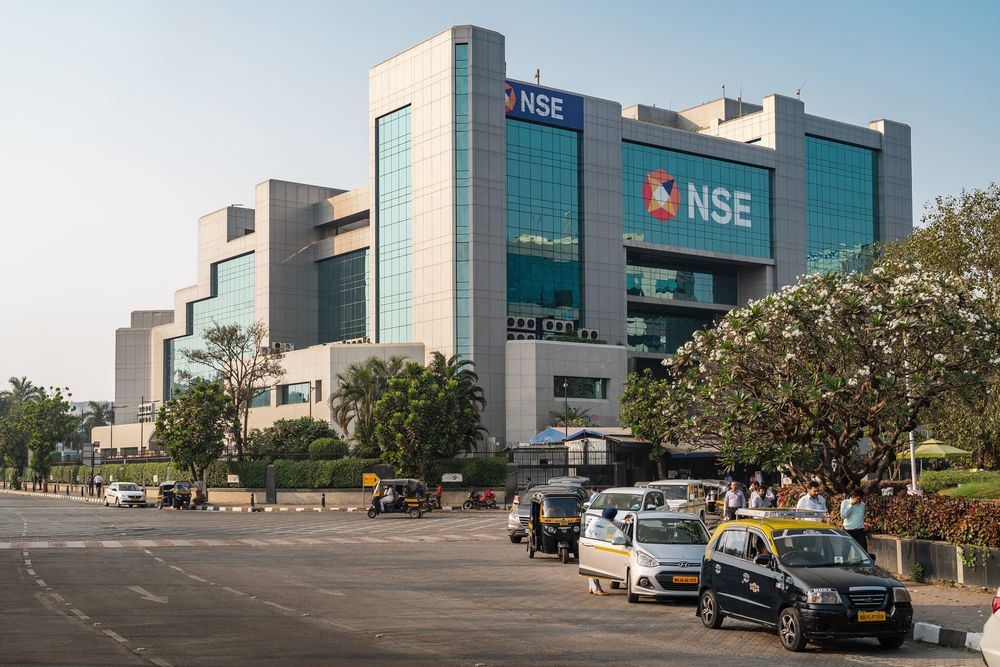
India’s National Stock Exchange IPO was fully subscribed on its second bidding day, according to Reuters and the Financial Express. A later Financial Express snapshot put bids at 102.8 million shares against 88.6 million offered, or 1.16 times the available stock. The offer remains open through 21 September. The milestone signals sufficient demand to cover the book before the close.
The price band is 1,700 to 1,785 rupees a share, valuing the transaction at roughly 225.6 billion rupees at the top end. The sale is entirely an offer by existing shareholders, so NSE will not receive proceeds. Reuters valued the transaction at about $2.3 billion. The timetable reported by Financial Express points to allotment on 22 September and a BSE debut on 24 September.
DEMAND BROADENS ACROSS INVESTOR GROUPS
At 7pm Friday, qualified institutional buyers had bid for 1.53 times their allocation and non-institutional investors for 1.68 times theirs, Financial Express reported. Retail demand stood at 72% of that quota, while employees had covered 1.53 times their portion. Those figures are time-specific and may change before the book closes.
Reuters reported that the exchange had already raised about $703 million through its anchor book. Financial Express said the public issue had received more than 2.03 million applications by its later snapshot. Eligible employees receive a discount of 170 rupees per share.
LISTING TEST FOLLOWS A LONG WAIT
NSE operates India’s largest stock exchange, and the listing follows a decade-long process shaped by regulatory and legal delays. Because the transaction is secondary, its immediate balance-sheet effect on the exchange differs from a capital-raising IPO. The market signal instead comes from the valuation, breadth of demand and eventual trading performance.
Attention now shifts to the final subscription mix when bidding closes. The allotment and listing dates remain subject to the published timetable and any formal updates. Investors will also watch whether the initial secondary-market price sustains demand seen in the book.