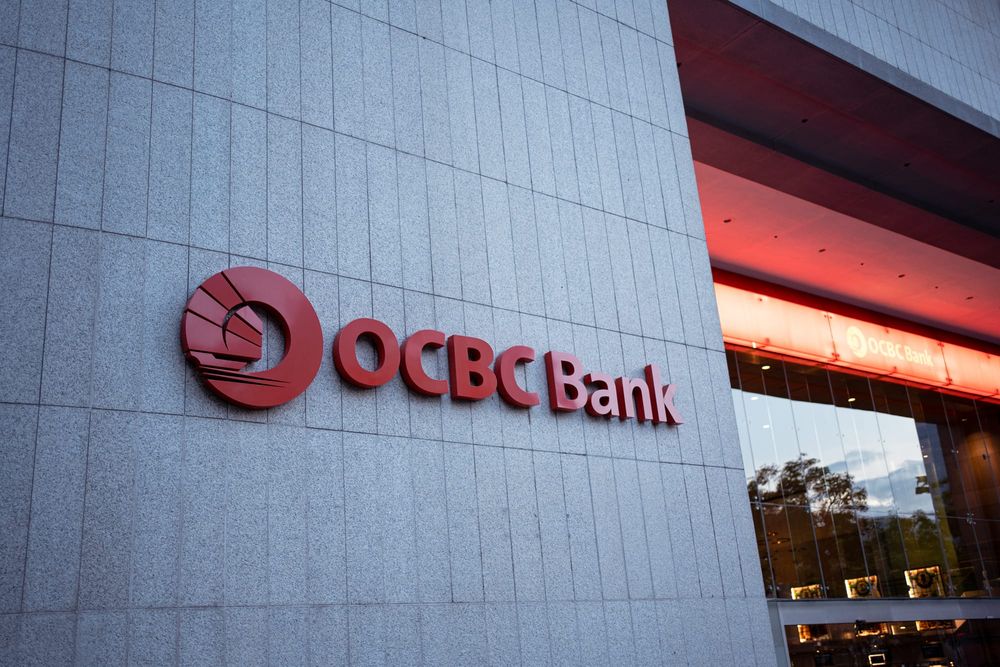
OCBC reported record second-quarter net profit of S$2.22 billion, up 22% from a year earlier, and declared an interim dividend of 47 cents per share. Return on equity for the quarter came in at 14.4%, the Singapore lender said.
Group chief executive Tan Teck Long said income was underpinned by strong performance across the bank's banking, wealth management and insurance businesses. Full-year loan growth guidance was raised to a high single-digit or low double-digit range.
BROAD-BASED STRENGTH DRIVES RECORD PROFIT
The 22% year-on-year rise in second-quarter net profit to S$2.22 billion marks a fresh record for OCBC and reflects contributions from across its diversified franchise. Non-interest income rose 51% year on year to S$1.91 billion, with fee, trading and insurance income up 28%, 85% and 68% respectively, while net interest income fell 1%.
Annualised return on equity rose to 14.4% from 12.3% a year earlier. The interim dividend of 47 cents, up from 41 cents, represents a payout ratio of 50% of first-half net profit.
Wealth management fees rose 12% from the previous quarter to a record S$470 million, and trading income reached a record S$695 million.
LOAN GROWTH GUIDANCE UPGRADED
OCBC lifted its full-year loan growth guidance to a high single-digit or low double-digit range, up from mid-single-digit growth previously. Customer loans rose 11% year on year and 5% from the previous quarter in constant-currency terms to S$364 billion at end-June.
The bank's insurance business and its wealth franchise both contributed to the record quarter, according to management. Group wealth management income rose 27% in the first half to a record S$3.29 billion, contributing 41% of total income, up from 36% a year earlier.
OCBC publishes the full press statement, financial highlights and slide presentation through its investor relations pages, where the underlying supplementary data are also made available. UOB, which reported on the same day, posted a 10% rise in second-quarter net profit.
Looking ahead, Tan said global conditions remain uncertain amid geopolitical tensions and elevated inflation risks, and that much of the near-term outlook will depend on the easing of Asia's energy crunch brought about by the war in the Middle East.
Bank news that matters, every weekday.
Follow The Global Banker on LinkedIn