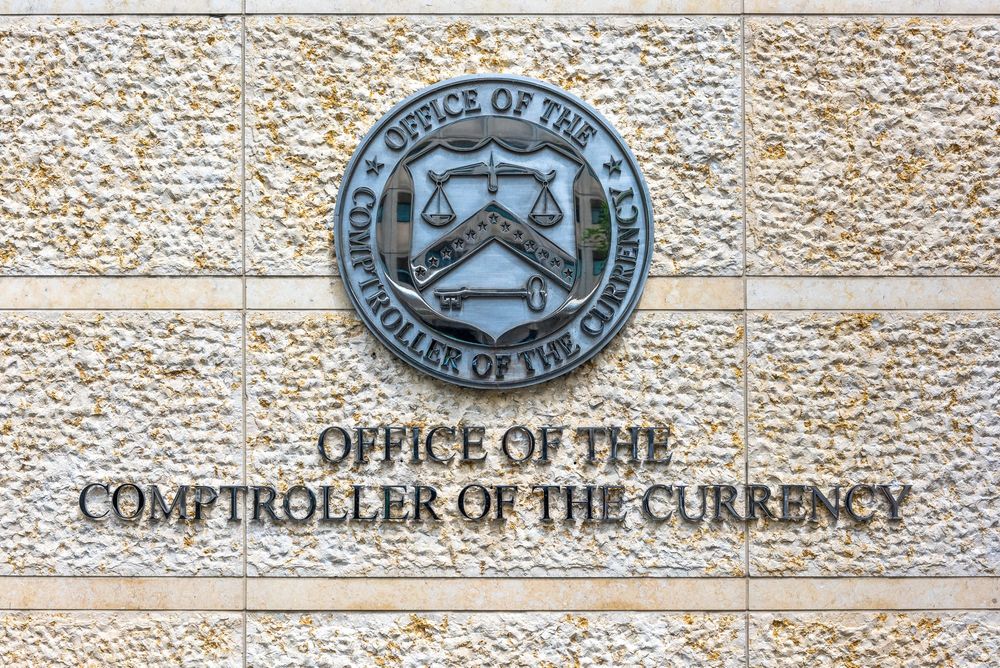
The Office of the Comptroller of the Currency on Thursday issued a cease-and-desist order against United Texas Bank of Dallas over deficiencies in the lender's Bank Secrecy Act and anti-money-laundering compliance programme, the national bank regulator announced in news release NR-OCC-2026-59 published on its website.
The order, filed under docket AA-ENF-2026-29, cited programme weaknesses that the OCC said had resulted in violations of law or regulation, and comes on top of an August 2024 order the bank previously consented to with the Federal Reserve Bank of Dallas and the Texas Department of Banking.
SECOND SUPERVISORY ACTION
The 16 July action is the second formal supervisory measure imposed on United Texas Bank in less than two years. Under the earlier 2024 consent order, the lender agreed with its state and federal supervisors to remedy identified shortcomings in its AML controls and governance framework, the OCC noted in its release. That earlier order laid out a work programme covering multiple aspects of the bank's compliance operations.
By escalating to a cease-and-desist order at the federal level, the OCC has signalled that supervisors continue to have concerns about the effectiveness of the bank's remediation programme. Cease-and-desist orders are among the more forceful public tools available to national bank supervisors and typically require detailed corrective action across governance, staffing, transaction monitoring and independent testing.
The OCC did not disclose a civil money penalty accompanying the order in the announcement, and the notice did not identify specific transactional conduct underlying the compliance findings. Bank Secrecy Act cases against community and mid-sized banks have been a recurring supervisory theme in 2026 as regulators press institutions to keep pace with evolving typologies and suspicious activity reporting expectations.
FORMER BANKER BARRED OVER ATM THEFT
The same OCC release also announced a prohibition order against Ezekiel Dorsey, a former branch employee of JPMorgan Chase, in connection with the theft of approximately USD 120,000 while servicing automated teller machines. Prohibition orders permanently bar named individuals from working in any federally insured depository institution without written regulator approval from the OCC or another appropriate federal banking agency.
The OCC pairs individual enforcement actions with institutional orders in its periodic enforcement releases, and the Dorsey matter was one of several personal actions detailed alongside the United Texas Bank measure. JPMorgan Chase was not itself the subject of the prohibition action, which relates to the alleged conduct of the former employee during his time servicing the bank's ATM network.
The full text of the cease-and-desist order and the prohibition order was made available on the OCC's website alongside the news release. The measures take effect immediately and require the bank to implement the corrective steps specified in the order within timelines set by the agency, with progress monitored through the ongoing supervisory dialogue.
United Texas Bank operates as a state-chartered community lender headquartered in Dallas. The escalation to an OCC cease-and-desist order underscores the willingness of federal supervisors to layer additional public measures on top of earlier state and Federal Reserve actions where compliance concerns are judged to persist, and highlights the multi-agency nature of BSA/AML oversight for institutions with programme deficiencies.
For the wider community banking sector, the combined institutional and individual actions in the release illustrate the breadth of the OCC's enforcement toolkit. Bankers, compliance officers and directors are reminded through such disclosures that both entity-level programme obligations and individual conduct expectations are actively supervised, and that repeat findings tend to attract escalating regulatory measures.