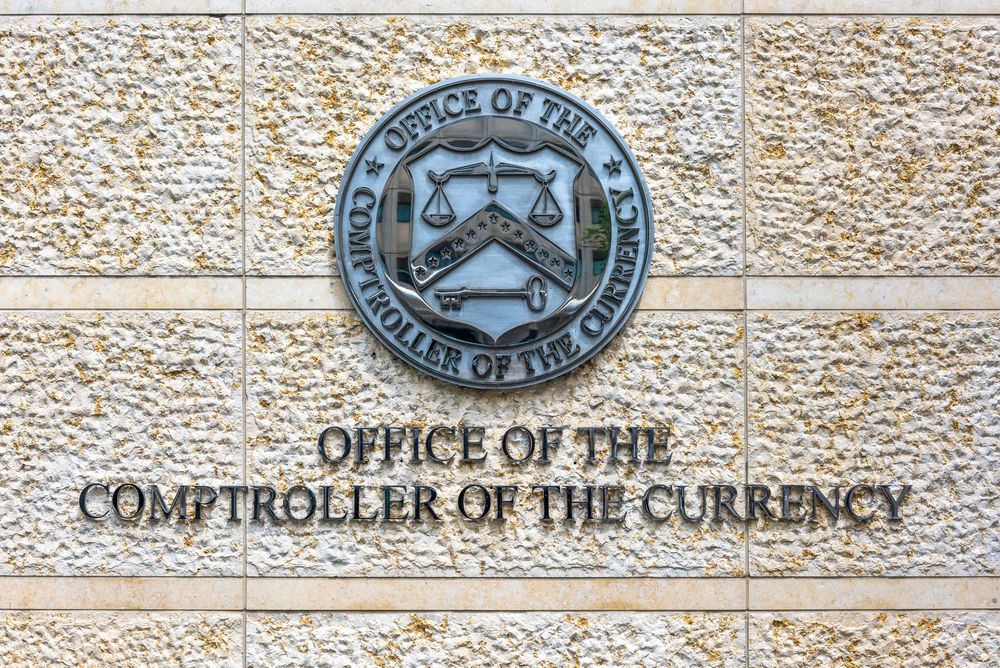
The Office of the Comptroller of the Currency issued Cease and Desist Orders against two federally chartered institutions on 15 May 2025, targeting Eastern National Bank of Miami, Florida and EH National Bank of Beverly Hills, California for unsafe or unsound banking practices. The actions, published in an OCC news release, underscore the regulator's continued focus on safety and soundness supervision at smaller national banks where management and governance deficiencies have been identified.
In the same enforcement release, the OCC disclosed a separate civil money penalty of USD 100,000 against David Julian, the former Chief Auditor of Wells Fargo, adding a further dimension to an enforcement cycle that reached across institutions of very different sizes and profiles.
DEFICIENCIES ACROSS CAPITAL, LIQUIDITY AND GOVERNANCE
The Cease and Desist Order against Eastern National Bank cites unsafe or unsound practices related to strategic and capital planning, earnings performance, and board and management supervision. The OCC's action requires the bank to take corrective steps across each of those areas under a formal legal framework that carries more compulsory weight than a lesser enforcement instrument such as a memorandum of understanding.
EH National Bank's order spans a wider set of deficiencies. The OCC identified unsafe or unsound practices related to management and board supervision, strategic and capital planning, liquidity risk management, interest rate risk management, and concentration risk. The breadth of the findings at the Beverly Hills institution suggests examiners identified systemic weaknesses in the bank's risk governance framework rather than isolated shortcomings in a single area.
Both orders replaced prior enforcement actions that had been in place against the respective institutions. That detail is significant: the replacement of earlier actions with Cease and Desist Orders — which are the OCC's more formal and legally binding enforcement tool — indicates that deficiencies identified during previous supervisory cycles had not been adequately remediated. Persistent safety and soundness concerns at both banks prompted the regulator to escalate the level of formal oversight.
CIVIL PENALTY ISSUED AGAINST FORMER WELLS FARGO EXECUTIVE
The USD 100,000 civil money penalty against David Julian, former Chief Auditor of Wells Fargo, was announced in the same OCC enforcement release as the two Cease and Desist Orders. The penalty relates to conduct in Julian's prior role at the bank. The OCC has authority to take action against current and former institution-affiliated parties — a category that includes directors, officers, employees, and certain contractors — for violations or unsafe or unsound practices.
Wells Fargo has been subject to sustained regulatory scrutiny for a number of years following the discovery of widespread retail banking sales practice abuses. The OCC's action against a former senior officer reinforces the regulator's stated commitment to holding individuals, and not only institutions, accountable for compliance and risk management failures.
Cease and Desist Orders issued under the National Bank Act require the affected institution to cease the identified unsafe or unsound practices and take affirmative corrective action within the timeframes prescribed. Failure to comply can result in further penalties, including civil money penalties or the appointment of a conservator. The OCC publishes all formal enforcement actions on its website in the interests of market transparency.