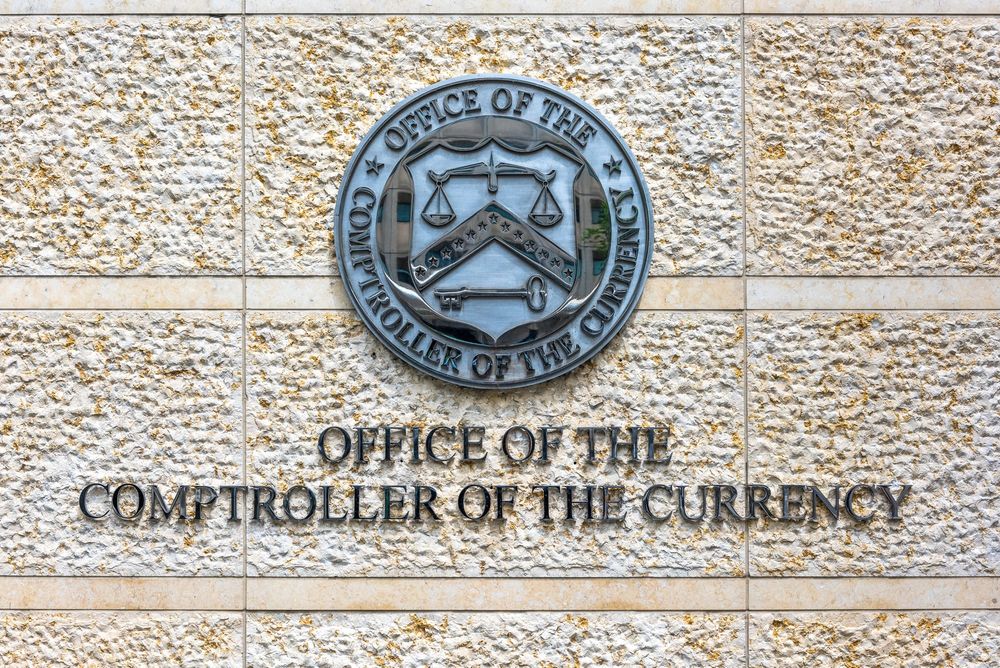
The Office of the Comptroller of the Currency announced on 20 February 2025 that it had entered into a formal agreement with Dearborn Federal Savings Bank, headquartered in Dearborn, Michigan, for unsafe or unsound practices and regulatory violations spanning compliance management, fair lending risk management, insider activities, and compensation practices. The action also covered recordkeeping violations, indicating a broad range of deficiencies identified during examination.
Formal agreements are enforceable, publicly disclosed actions that obligate an institution to undertake structured remediation under OCC oversight. The Dearborn FSB action was announced as part of the same February 2025 OCC enforcement release that included a separate formal agreement with Patriot Bank of Connecticut, along with six individual prohibition orders — a release that reflects the breadth of the regulator's enforcement activity at the start of 2025.
COMPLIANCE MANAGEMENT AND FAIR LENDING AT CENTRE OF ACTION
The inclusion of fair lending risk management in the agreement's scope is a notable element of the action. Fair lending obligations — rooted in the Equal Credit Opportunity Act and the Fair Housing Act — require that banks assess and manage the risk of discriminatory lending outcomes across their credit portfolios. Deficiencies in a bank's compliance management system can lead to fair lending violations by allowing inconsistent or biassed credit decisions to go undetected or uncorrected over time.
Compliance management system deficiencies are a recurring theme in OCC enforcement actions against community and savings institutions, and they typically indicate that a bank lacks the internal infrastructure — including policies, procedures, training, and monitoring — needed to ensure that its activities consistently meet legal and regulatory requirements. Addressing such systemic gaps requires sustained investment in governance and controls rather than discrete fixes to individual processes.
Insider activities and compensation practice violations round out the enforcement action's scope, reflecting OCC concerns about how Dearborn FSB has managed relationships and transactions involving insiders, and whether its compensation arrangements comply with applicable restrictions. Insider activity rules are designed to prevent conflicts of interest and self-dealing that can compromise a bank's safety and soundness, and violations in this area can indicate governance weaknesses at board and senior management level.
RECORDKEEPING VIOLATIONS ACCOMPANY BROADER FINDINGS
The recordkeeping violations cited in the agreement add a further dimension to the action, indicating that the bank's documentation and recordkeeping practices were found to be deficient alongside the substantive compliance and governance failures. Accurate and complete records are a foundational requirement for regulatory examination, dispute resolution, and the reliable operation of compliance programmes, and their absence or inadequacy can compound deficiencies in other areas by making it harder to detect and address problems.
Dearborn Federal Savings Bank faces the task of addressing a multifront remediation agenda under formal supervisory oversight, covering areas that span operational practice, governance, credit risk management, and recordkeeping. The OCC's decision to bring a formal agreement — rather than rely on informal supervisory engagement — indicates that the identified deficiencies were considered sufficiently serious and persistent to warrant binding public commitments to corrective action. The February 2025 announcement marks the beginning of a structured remediation process that will be subject to ongoing OCC scrutiny.