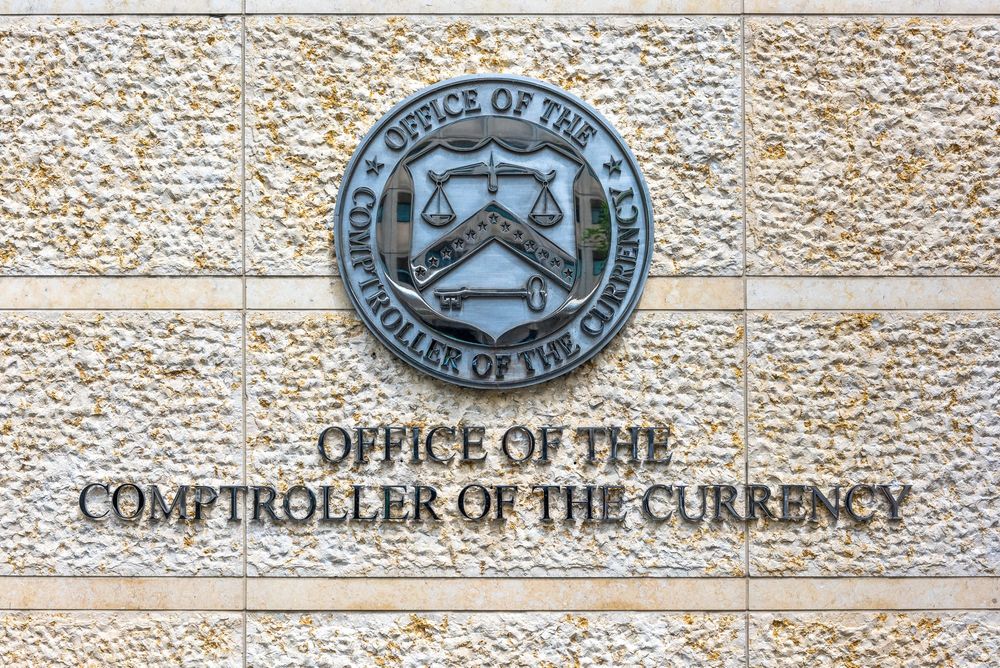
The Office of the Comptroller of the Currency has entered into a formal agreement with First National Bank of Pasco, a community bank headquartered in Dade City, Florida, citing a range of unsafe or unsound banking practices identified through supervisory examination. The OCC announced the action in October 2025 through News Release 2025-102, with the formal agreement assigned docket number AA-SO-2025-46. The enforcement action requires the bank's board and management to address identified deficiencies across board oversight, corporate governance, strategic and capital planning, and the institution's Bank Secrecy Act and anti-money laundering risk management framework.
A formal agreement is one of the OCC's principal supervisory enforcement instruments. It is a legally binding, publicly disclosed commitment made by the bank and its board of directors to remediate identified shortcomings within prescribed timeframes, subject to ongoing monitoring by OCC examiners. Unlike a consent order or a cease-and-desist order, a formal agreement is typically applied where the OCC has identified serious and material problems that require structured corrective action but that have not yet reached the threshold requiring the most severe enforcement measures available to the regulator.
BSA FAILURES AND SAR FILING VIOLATIONS CITED
Among the specific deficiencies identified, the OCC cited violations related to the timely and accurate filing of Suspicious Activity Reports. SAR obligations form a cornerstone of the Bank Secrecy Act framework: banks are required to file reports with the Financial Crimes Enforcement Network when they detect transactions that may involve money laundering, fraud, terrorist financing, or other financial crimes. Failures in SAR compliance — whether through non-submission, late filing, or materially deficient content — are treated by the OCC as a serious lapse in an institution's financial crime prevention programme, given the downstream impact on national law enforcement and intelligence activities that depend on timely SAR filings.
The OCC also found that the bank had failed to maintain adequate due diligence over correspondent accounts held on behalf of foreign financial institutions, a relationship category carrying elevated money laundering and sanctions risk. Correspondent banking relationships require institutions to conduct thorough, risk-based due diligence on overseas counterparties, particularly where those correspondents operate in higher-risk jurisdictions or serve clients whose ultimate beneficial ownership may be difficult to verify through standard documentation.
BOARD OVERSIGHT AND GOVERNANCE WEAKNESSES FLAGGED
Beyond the BSA-specific findings, the OCC's formal agreement addresses structural governance deficiencies at the bank. The regulator noted inadequacies in board oversight and corporate governance — recurring themes in OCC enforcement actions where examiners conclude that boards have not exercised sufficient scrutiny over management decisions or have failed to establish and enforce effective internal controls and accountability frameworks. Strategic and capital planning weaknesses were also identified, indicating that the bank's forward-looking financial management processes require material redesign.
First National Bank of Pasco is now legally obligated under the formal agreement to implement comprehensive corrective measures across each of the cited areas, with the board of directors bearing primary accountability for ensuring and evidencing compliance. The OCC will monitor the bank's progress through its regular examination cycle and may escalate to a more severe enforcement action if remediation is found to be insufficient. The bank has not issued a public statement addressing the enforcement action or setting out its corrective plans.