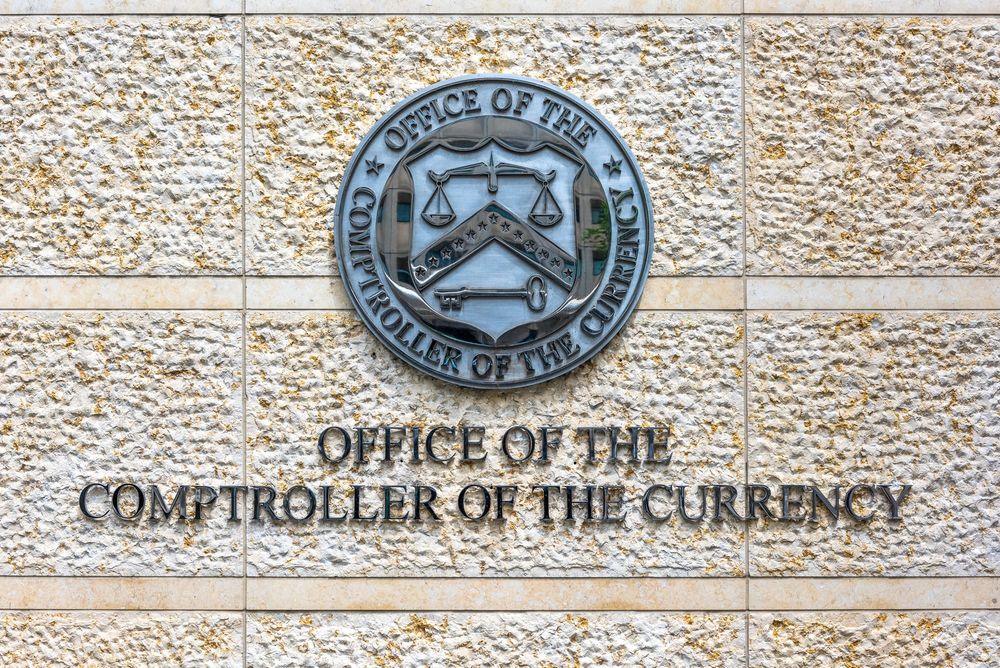
The Office of the Comptroller of the Currency entered into a formal agreement with Patriot Bank, N.A., headquartered in Stamford, Connecticut, on 20 February 2025, following identified violations and unsafe or unsound practices in the bank's operations. The enforcement action covers deficiencies in the bank's Bank Secrecy Act and anti-money laundering risk management programme, weaknesses in payment activities oversight, and gaps in strategic planning — areas that the OCC determined required structured corrective action.
Formal agreements are among the OCC's principal supervisory tools for compelling corrective action at banks where examination findings reveal persistent or material weaknesses. Unlike informal actions, they are publicly disclosed and legally binding, carrying enforceable obligations that the bank must satisfy on a defined timetable under regulatory oversight.
CAPITAL FLOOR AND BSA/AML ACTION PLAN REQUIRED
Under the terms of the agreement, Patriot Bank is required to achieve and maintain a Common Equity Tier 1 capital ratio of at least 10%, a threshold that provides a buffer above minimum regulatory requirements and reflects the OCC's assessment that the bank needs a strengthened capital position given its risk profile. The bank must also submit a written strategic plan to the OCC and develop a comprehensive BSA/AML action plan that addresses customer due diligence processes, suspicious activity monitoring systems, and oversight arrangements for third-party relationships involved in its payment services.
The explicit inclusion of payment activities in the scope of the agreement reflects the OCC's heightened scrutiny of smaller banks that have moved into providing payment services and banking-as-a-service infrastructure for fintech companies. Regulators have in recent years identified significant BSA/AML risk concentrations in community and mid-tier banks that serve as the licensed backbone for fintech payment propositions, and enforcement actions in this space have become a recurring feature of the OCC's supervisory caseload.
Third-party risk management has been a central concern for the OCC across its supervised institutions, and Patriot Bank's action plan must specifically address how it monitors and controls the BSA/AML compliance posture of partners and service providers whose activities flow through the bank's accounts and payment infrastructure. Failure to maintain adequate oversight of third-party relationships has been cited in multiple enforcement actions against US community banks over the past several years.
COMPLIANCE COMMITTEE AND QUARTERLY REPORTING MANDATED
The OCC also required Patriot Bank to establish a compliance committee of at least three members within thirty days of the agreement's execution. The committee, which must include qualified and independent members, is charged with overseeing the bank's progress against the corrective action commitments and reporting to the OCC on a quarterly basis in writing. Quarterly reporting requirements of this nature are designed to maintain supervisory visibility into remediation efforts and to identify any slippage in timelines before it becomes material.
The formal agreement with Patriot Bank was announced alongside a separate formal agreement with Dearborn Federal Savings Bank in Michigan, as part of the OCC's February 2025 enforcement release, which also included six orders of prohibition against individuals. The simultaneous announcement of two formal bank agreements underscores the OCC's continued active use of its enforcement toolkit across its supervised institution population, particularly in areas where community banks have expanded into higher-risk products and service lines.