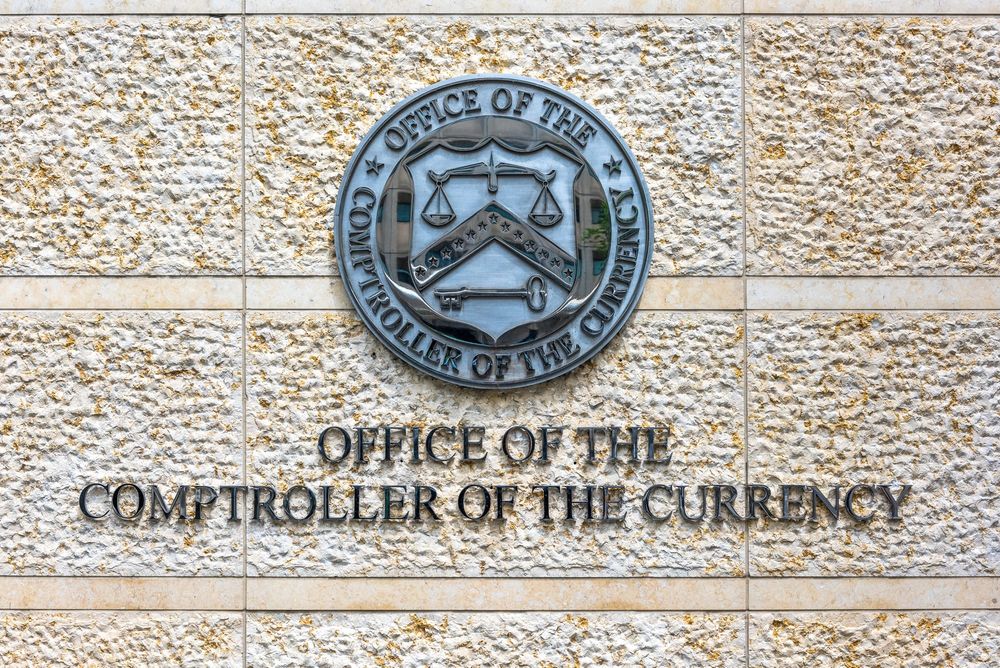
The Office of the Comptroller of the Currency (OCC) has terminated the consent order it issued to Wells Fargo in 2021 relating to deficiencies in loss mitigation practices within the bank's Home Lending business, the institution confirmed on 17 March 2025. The closure marks the 11th consent order resolved since 2019 and the fifth terminated since the start of 2025, extending a years-long campaign by the San Francisco-based bank to clear a substantial backlog of regulatory obligations accumulated in the aftermath of its wide-ranging misconduct revelations.
Wells Fargo chief executive Charlie Scharf expressed confidence in the bank's ability to complete the work required under the consent orders that remain open, reinforcing the message that the institution's compliance transformation programme is delivering measurable results. The 2021 OCC order had focused specifically on Wells Fargo's handling of mortgage customers in financial distress, an area that attracted intense regulatory and political scrutiny during the pandemic era when millions of American homeowners sought mortgage assistance.
YEARS OF ENFORCEMENT CLEARANCE
The resolution of the loss mitigation order is part of a broader pattern of regulatory closures that Wells Fargo has pursued since Scharf arrived in 2019 with an explicit mandate to repair the bank's relationship with its supervisors and rebuild its internal risk management and compliance infrastructure. Reaching eleven terminated consent orders over that period reflects sustained investment in remediation programmes across multiple business lines and demonstrates the bank's commitment to engaging constructively with regulators on a range of fronts simultaneously.
Loss mitigation — the processes by which a lender works with distressed borrowers to modify loans, arrange forbearance, or pursue alternatives to foreclosure — became a particular regulatory focus following the disruption of the COVID-19 pandemic, which sharply increased the number of homeowners seeking assistance and placed considerable operational strain on servicers. The OCC's 2021 order required Wells Fargo to address identified gaps in how it administered those programmes and ensured that customers experiencing financial hardship received appropriate and timely support from the bank.
The bank's Home Lending business has been one of several divisions undergoing significant operational restructuring as Wells Fargo works toward satisfying its remaining supervisory commitments. Each terminated consent order is treated by the institution as a milestone in a multi-year programme rather than a standalone event, with the broader objective of demonstrating to regulators that root-cause issues have been durably addressed and that the organisational and cultural changes required to prevent their recurrence are firmly embedded.
REMAINING CONSENT ORDERS IN FOCUS
Despite the progress signalled by the latest termination, Wells Fargo continues to operate under additional consent orders, and Scharf's remarks were carefully phrased to convey confidence without pre-empting the outcome of ongoing supervisory processes. The most consequential remaining constraint is the Federal Reserve's asset cap, which restricts the bank's balance sheet growth and has been in place since 2018. While that cap falls outside the OCC's direct jurisdiction, it remains the single most significant limitation on Wells Fargo's ability to compete fully with its largest US banking peers.
The OCC's March 2025 enforcement release, which confirmed the termination, was part of the regulator's monthly disclosure in which it also announced other enforcement actions and closures across the broader banking industry. For Wells Fargo, the release provided further evidence of the compliance trajectory it has been communicating to investors, analysts, and the public as the bank works toward restoring its standing among the top tier of American financial institutions and demonstrating that its once-troubled compliance culture has been fundamentally reformed.