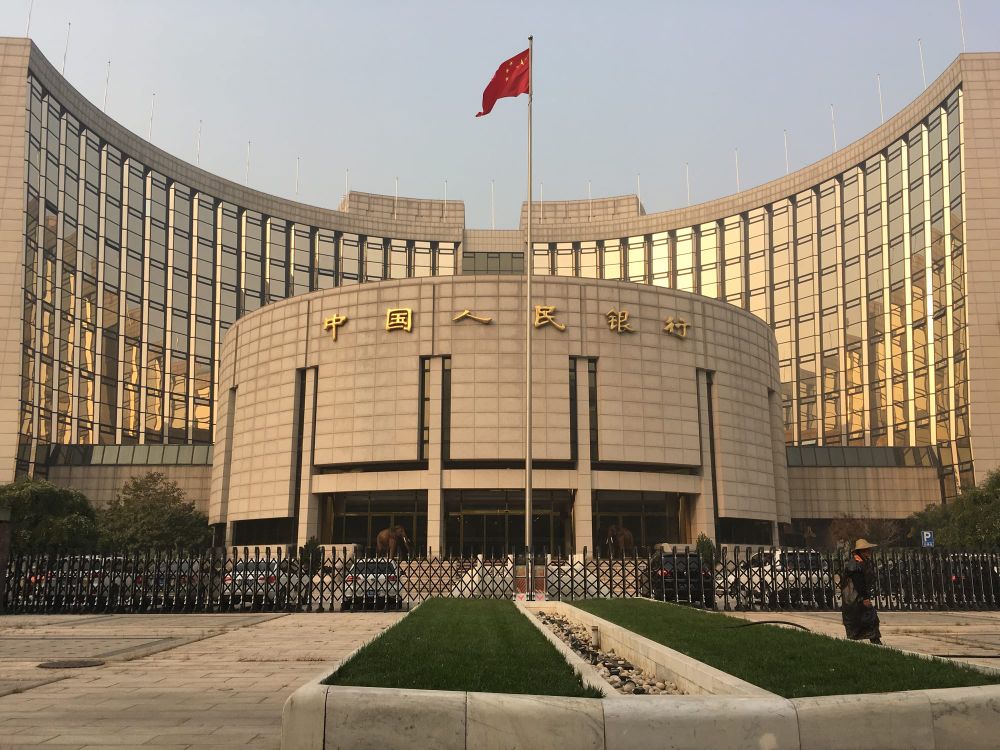
The People's Bank of China (PBOC) has executed a targeted 0.25 percentage point cut to rates on its structural monetary policy tools, alongside quota expansions for relending facilities, signaling a deliberate shift toward moderate monetary easing as the economy navigates into 2026. This package includes 500 billion yuan in additional relending for agriculture and small businesses, plus 400 billion yuan for technological innovation, providing liquidity where policymakers deem it most critical. The moves come under intense investor scrutiny, as markets dissect the PBOC's language for hints on the pace and scale of stimulus amid economic challenges.
TARGETED LIQUIDITY BOOST
These adjustments reflect the PBOC's preference for precision over broad-based rate cuts, channeling funds directly to sectors vital for long-term stability. The rate reduction applies to tools like the medium-term lending facility (MLF) and targeted relending programs, lowering borrowing costs for banks extending credit to priority areas. By raising quotas, the central bank aims to provide agriculture, small and micro enterprises, and tech innovators with cheaper capital, supporting employment and innovation-driven growth.
Analysts view this as a classic PBOC approach: structural easing that avoids flooding the system with excess liquidity. The relending expansions—totaling 900 billion yuan—represent a significant increase in available facilities, underscoring Beijing's commitment to rural revitalization and innovation-driven growth.
MODERATE EASING STANCE
Entering 2026, the PBOC's "moderate easing" rhetoric marks a measured approach to stimulus, balancing support with financial stability. Policymakers have emphasized "precise and powerful" measures, avoiding the pitfalls of over-leveraging. This latest package aligns with policy directives prioritizing high-quality development over sheer GDP targets.
Contextually, China's economy faces multifaceted headwinds: domestic consumption remains subdued, while exports contend with global trade frictions. The PBOC's actions follow a series of reserve requirement ratio (RRR) cuts totaling 100 basis points since late 2024, freeing up significant liquidity. Benchmark lending rates like the loan prime rate (LPR) remain unchanged at 3.35% for one-year and 3.85% for five-year terms, signaling a measured approach to wholesale easing.
Bond yields have dipped slightly, with 10-year government bonds trading at lower levels, reflecting expectations of further accommodation. Equity markets showed mixed reactions, with some sectors gaining on relending news while others lagged.
INVESTOR SCRUTINY INTENSIFIES
Markets are parsing every word from PBOC Governor Pan Gongsheng, whose recent speeches stressed "ample policy space" without committing to specifics. The PBOC's gold reserve accumulation continues as part of its diversification strategy, reflecting broader hedging amid geopolitical uncertainties.
External shocks amplify the need for domestic resilience. China's policymakers have implemented various measures to shield consumers and businesses from global commodity price volatility, including strategic management of energy prices.
BROADER POLICY IMPLICATIONS
Looking ahead, this easing package sets the tone for monetary operations in coming quarters. Economists forecast additional RRR cuts and possible adjustments to reverse repo operations, maintaining adequate liquidity. Fiscal support, including deficit expansion, will complement these efforts, targeting infrastructure and green technology.
For global investors, the PBOC's calibration offers reassurance: stimulus is coming, but measured to prevent financial instability. Small businesses, facing competitive pressures and labor challenges, stand to benefit from expanded relending quotas. As Pan Gongsheng noted, the central bank will use a comprehensive toolkit to maintain reasonable liquidity levels. This structural pivot positions China for sustainable recovery.
The package's ripple effects extend to Asia: cheaper Chinese credit could bolster regional supply chains. With quotas now enlarged, major banks are positioned to disburse funds to priority sectors. Yet, execution risks remain—local governments' debt burdens and other structural challenges could affect the effectiveness of liquidity measures if not properly managed.
In sum, the PBOC's latest moves embody pragmatic central banking: enough easing to support growth, restrained enough to safeguard stability. Investors watching closely will gauge how policy evolves as 2026 unfolds.