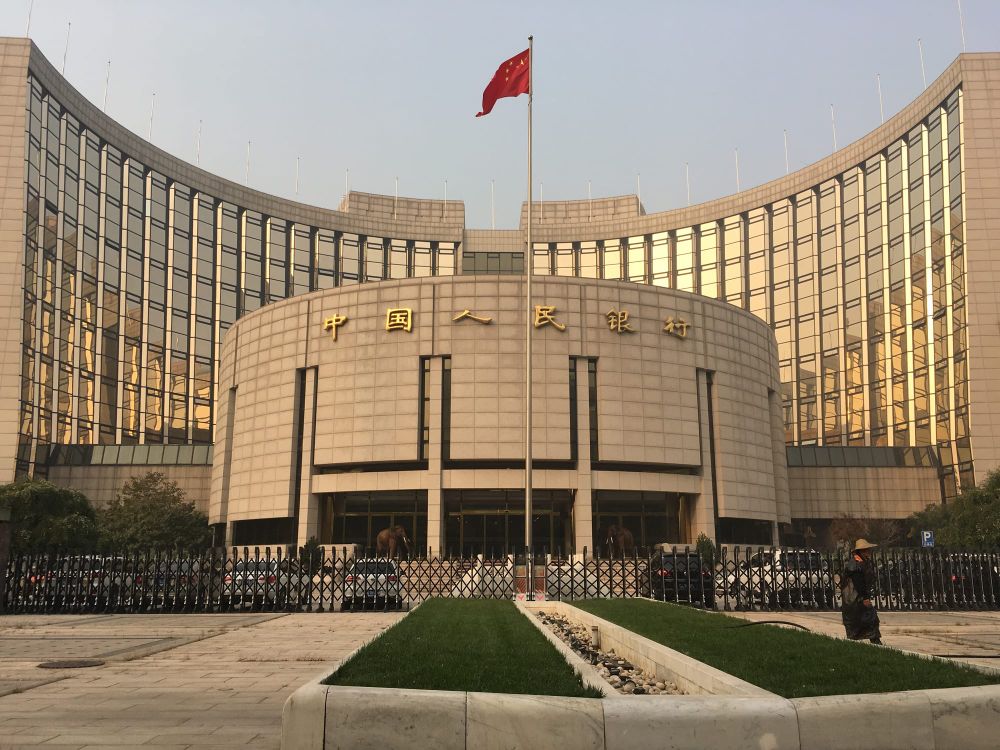
In a closely monitored signal to global markets, the People’s Bank of China (PBOC) fixed the USD/CNY central parity rate at 6.8854 on Tuesday, marking a 75-pip strengthening from the prior session’s 6.8929. This adjustment underscores Beijing’s vigilant steering of the yuan amid volatile international currency flows and domestic growth imperatives.
MECHANICS OF THE DAILY FIX
The central parity rate serves as the daily midpoint for onshore yuan trading, permitting fluctuations of up to 2% above or below this anchor. Unlike freely floating currencies, China’s managed framework relies on a formula blending market data with policy discretion. Key inputs include the previous day’s onshore USD/CNY close at 6.8930, shifts in the CFETS RMB Index—tracking the yuan against a basket of 24 currencies—and a counter-cyclical factor to counter speculative pressures.
Introduced in 2015, this mechanism allows the PBOC to temper one-way bets, fostering stability in a daily forex market where the yuan plays a pivotal role. Recent data shows the fix’s trajectory: a week earlier, it stood at 6.8980 after a 102-pip drop, while the prior session’s 6.8929 edged up 15 pips from its previous close of 6.8915. The PBOC’s calibrated actions reflect a complex interplay of previous market closes, global dollar trends, and strategic objectives for stability.
GLOBAL CONTEXT DRIVES MOVE
This strengthening arrives against a backdrop of persistent U.S. dollar resilience, fueled by Federal Reserve rate expectations and geopolitical tensions. The yuan’s fix has hovered around 6.89-6.90 in recent weeks, a level supportive of China’s export competitiveness without triggering capital flight concerns. Beijing’s approach balances dual mandates: sustaining export-driven growth while advancing yuan internationalization.
Market participants interpret the 75-pip gain as a preemptive counter to dollar strength, potentially easing imported inflation pressures on China’s commodity-heavy economy. The CFETS RMB Index, a barometer of multilateral valuation, influences the fix to align with trading partners. Chinese yuan strengthens to 6.8854 against USD Tuesday, citing the China Foreign Exchange Trade System (CFETS) data confirming the official release.
IMPLICATIONS FOR MARKETS
Onshore spot trading opened near the fix, with USD/CNY hovering in a tight range as traders gauged PBOC resolve. A stronger reference rate typically caps dollar appreciation, bolstering yuan deposits and corporate hedging. For global banks, this tweak refines carry trade dynamics; yuan forwards priced in modest appreciation, reflecting expectations of steady PBOC intervention.
China’s forex reserves provide ample ammunition for stability operations, though officials emphasize market-oriented reforms. The counter-cyclical factor, dormant in recent months, remains a tool to unwind pro-cyclical sentiment—herd-like weakening bets that amplified volatility in 2015-2016. Recent PBOC rhetoric prioritizes controlled depreciation to aid manufacturers facing U.S. tariffs and sluggish global demand.
BROADER POLICY LANDSCAPE
This fix aligns with Beijing’s monetary easing pivot amid property sector woes and tepid consumption. Currency policy stays hawkish relative to peers. Analysts note the yuan’s effective stability.
Looking ahead, upcoming U.S. nonfarm payrolls and European Central Bank decisions could test the fix’s resilience. A repeat strengthening might signal PBOC tolerance for lower levels, a psychological floor last defended in 2023. The central parity rate strengthened 75 pips to 6.8854, with onshore bands holding firm at ±2%.
For multinational corporates, the adjustment trims FX hedging costs, aiding China-U.S. trade. Investors eye RMB bond yields, attracting inflows via Bond Connect. Yet risks linger: escalating trade frictions or domestic deflation could prompt further tweaks.
PBOC’s precision here reaffirms its role as global stabilizer, where a 75-pip shift ripples through Asian currencies from the won to the rupee. As China’s economy navigates headwinds, such moves exemplify managed flexibility in an interconnected world.