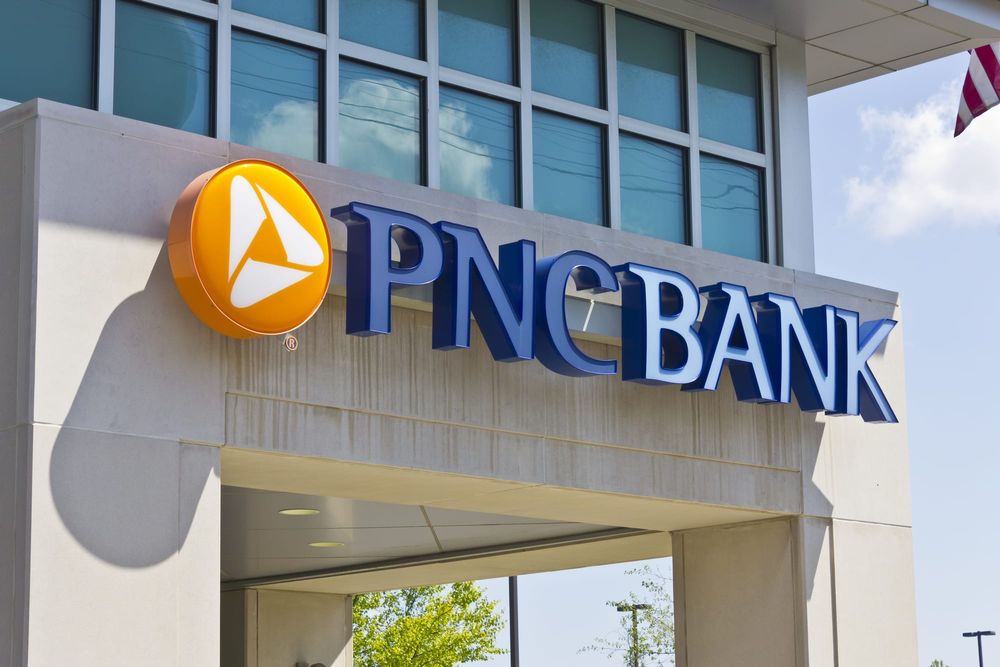
PNC Financial Services completed its USD 4.1 billion acquisition of FirstBank on 5 January 2026, with the Colorado-headquartered community lender merged into PNC Bank NA on the scheduled closing date. The transaction adds 95 branches across Colorado and Arizona, providing PNC with meaningful new scale in two of the most economically dynamic and rapidly growing states in the western United States, and significantly extending the bank's presence across the Rocky Mountain and Southwest region.
The deal closed on schedule, indicating that the regulatory approval process and internal integration preparations had proceeded without material complications or delays. Customer conversion from FirstBank's technology and operating systems to PNC's platform is expected to take place in the summer of 2026, providing staff and clients with a structured transition period before the full operational merger is completed. That phased approach reflects standard industry practice for acquisitions of this scale and geographic complexity.
BUILDING SCALE IN HIGH-GROWTH WESTERN MARKETS
Colorado and Arizona have been among the fastest-growing state economies in the United States over the past decade, benefiting from significant net population inflows, strong corporate relocations from higher-cost coastal markets, and entrepreneurial activity that has generated robust demand for retail, commercial, and small business banking services. FirstBank had spent decades building a well-regarded community banking franchise in these markets, and its network of 95 branches gives PNC an established customer base and a set of deep local market relationships that would have been difficult and expensive to replicate through organic branch expansion alone.
For PNC, one of the largest banking institutions in the United States, the FirstBank acquisition fits a strategic pattern of using targeted transactions to fill geographic gaps and deepen presence in markets where the bank's existing branch and commercial banking network was comparatively thin. The Rocky Mountain and Southwest corridor had been an identified area where PNC's footprint lagged the density it had achieved in its traditional strongholds along the Eastern Seaboard and in the Midwest.
PNC's stated rationale for the deal includes adding meaningful scale in the Rocky Mountain and Southwest region, language that signals the bank views the FirstBank network as a platform for further organic commercial and retail growth, and not merely a one-time increase in branch count. The combined franchise's ability to serve clients with needs across Colorado and Arizona will depend heavily on retaining the community relationships that defined FirstBank's competitive identity.
INTEGRATION TIMELINE AND CUSTOMER TRANSITION
The summer 2026 customer conversion timeline is consistent with the complexity of migrating deposit accounts, loan portfolios, digital banking registrations, and payment processing arrangements from one core banking system to another across 95 branch locations. PNC will be focused on executing that transition with minimal disruption to FirstBank's established retail and small business customers, many of whom selected a community lender specifically because of the localised service quality and responsiveness that larger national banks have sometimes struggled to replicate.
Community banking acquisitions have historically presented risks of customer attrition when the acquiring institution's operational model is perceived as less relationship-driven than the original lender. PNC will need to demonstrate to FirstBank's client base in the months ahead that the transition brings enhanced capabilities — broader product access, digital banking investment, and commercial credit capacity — rather than a dilution of the personal service experience they are accustomed to.
With the transaction now formally closed, PNC's attention shifts to the operational mechanics of the integration, the realisation of cost and revenue synergies that underpinned the USD 4.1 billion price, and the establishment of a competitive go-to-market positioning in Colorado and Arizona as the summer 2026 full conversion deadline draws nearer.