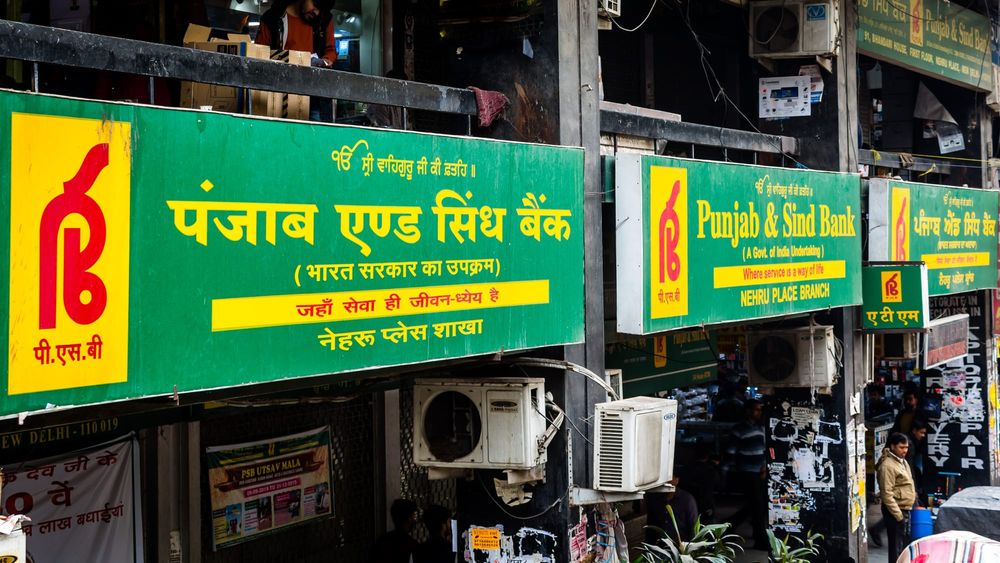
Punjab & Sind Bank posted a record ₹1,322 crore profit for fiscal 2026 and said management kept a close watch on its micro, small and medium enterprise loan book, citing risks that a prolonged West Asia crisis could affect borrower cashflows.
MSME LOAN BOOK UNDER CLOSE MONITORING
Bank management, led by the managing director, flagged potential stress in the MSME segment as the principal concern linked to the geopolitical tensions in West Asia. The bank said it had intensified monitoring of collections and cashflow patterns among MSME customers, and was assessing exposures that could come under pressure if disruptions in the region continued.
The MD indicated that the West Asia crisis had the potential to impair cashflows for some borrowers, a point of particular relevance for lenders with client concentrations tied to trade, remittances or supply chains connected to the region. Management framed the response in terms of closer supervision and proactive risk assessment rather than immediate public measures, while reiterating the bank’s business objectives.
RECORD PROFIT, GROWTH TARGETS AND MARKET IMPLICATIONS
Alongside the profit disclosure, the bank reiterated a strategic target it had set for expansion, aiming for ₹4 lakh crore in business by fiscal 2029. The bank used the earnings announcement to highlight both the one-off achievement on the bottom line and the forward-looking ambition to scale operations over the medium term.
For market participants and institutional investors, the twin messages carried discrete implications. The record profit represented a point of operational strength, while the warning on MSME cashflows signalled management’s recognition of an elevated risk environment. Banks that reported strong results while noting vulnerabilities typically attracted scrutiny over the sustainability of earnings if macro or geopolitical shocks intensified.
Analysts and risk managers within banks commonly treat MSME portfolios as sensitive to trade and remittance shocks, given the segment’s reliance on timely payments and tighter liquidity buffers. Management attention on this segment suggested that the lender expected to actively manage asset quality, collections and the allocation of capital toward areas deemed resilient.
How the situation evolved would depend on the duration and breadth of the West Asia crisis, and on spillovers to domestic cashcycles and demand. A prolonged disruption could increase delinquency rates in vulnerable segments, prompt higher provisioning, and lead lenders to recalibrate lending standards for at-risk sectors. Conversely, shorter disruptions tended to result in transient stress that banks managed through working capital facilities and restructuring options.
The bank’s public comments aligned with a broader pattern in which lenders foregrounded asset quality vigilance while communicating growth targets to reassure markets on strategic intent. For depositors and counterparties, the profit figure underpinned the bank’s capital generation in the reported year, while the monitoring stance on MSMEs indicated readiness to act if borrower performance deteriorated.
Regulators and supervisors routinely asked banks to maintain adequate buffers and to report emerging risks in sensitive portfolios. Management statements about monitoring practices helped signal to supervisors that the institution had visibility on potential stress points, although the bank did not announce specific remedial actions or changes to provisioning in its report.
Investors and analysts will likely track subsequent disclosures for signs of deterioration in the MSME segment, changes in asset quality metrics, or management actions such as targeted assistance programmes, restructured facilities or contingency plans for concentrated exposures. For now, the bank combined a record profit outcome with a cautionary risk remark tied to an external geopolitical shock.
Sources: The Hindu Business Line Banking