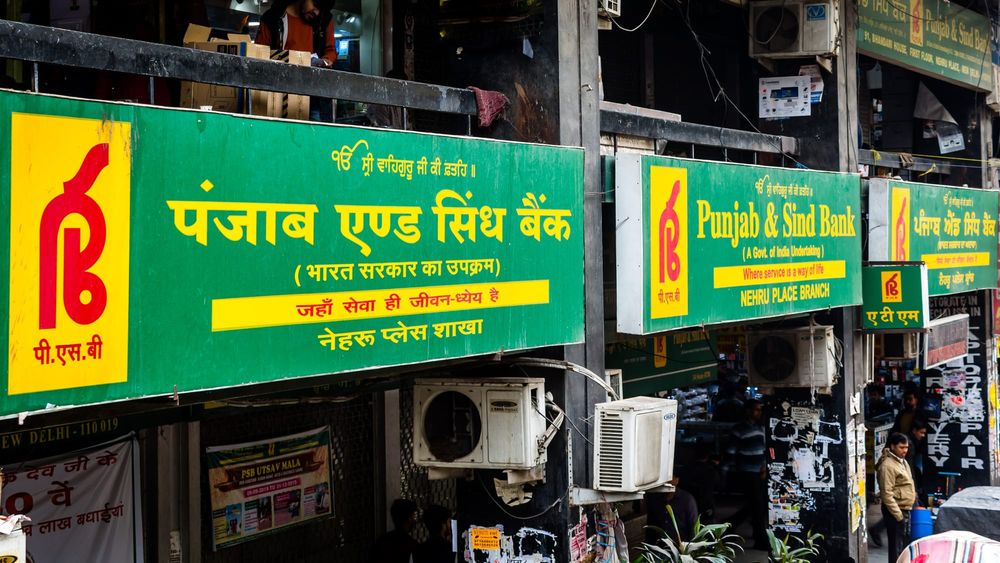
Punjab & Sind Bank posted a record profit of ₹1,322 crore in FY26 and said it was closely monitoring its micro, small and medium enterprise loan book amid concerns that a prolonged crisis in West Asia may pressure borrower cashflows.
PERFORMANCE AND TARGETS
The bank reported the FY26 profit as a milestone in its recent performance cycle, and set an ambition to scale overall business to ₹4 lakh crore by FY29. The bank called the business target a key strategic objective, reflecting its aim to grow both lending and deposits over the medium term.
The managing director flagged the West Asia situation as a potential external shock that could disrupt cashflows for segments of the bank's borrower base, particularly MSMEs with trade, migrant labour or remittance linkages to the region. The bank said it had therefore intensified monitoring of the MSME portfolio and related collections activity.
IMPLICATIONS FOR ASSET QUALITY AND RISK MANAGEMENT
Punjab & Sind Bank's comments underscored how geopolitical developments can filter into domestic credit metrics, even for lenders with predominantly India-focused books. MSME borrowers often operate with tighter liquidity buffers, and a sustained shock to demand or remittance flows can lead to delayed payments, higher restructurings and stress on receivables.
Industry participants and analysts generally treated the bank's stance as prudent, noting that proactive surveillance of the MSME segment can provide early warning on asset quality deterioration. The bank said its monitoring would focus on cashflow trends and collection performance, steps that regulators and investors typically expect when exposure to higher-risk sectors shows signs of strain.
The bank did not disclose additional portfolio-level metrics in the release that accompanied the FY26 results. Observers will likely look for more granular disclosure in subsequent quarterly statements, including sectoral concentrations, bucketed delinquencies and any restructured account information, to assess the extent of contagion risk from external shocks.
For investors, the record profit and the growth target signalled that management aimed to combine near-term profitability with an ambitious expansion plan. For regulators, the watch on MSMEs highlighted the need for continued supervisory attention to small business credit, which has been a recurrent focus since the pandemic due to the segment's vulnerability to demand shocks.
The bank's FY26 result and commentary arrived at a time when Indian lenders were attentive to multiple risk vectors, including global geopolitical tensions, domestic cyclical dynamics and the need to sustain credit growth while safeguarding capital. How individual banks navigated MSME exposures was likely to vary with portfolio composition, regional concentration and underwriting standards.
Punjab & Sind Bank stressed that monitoring would remain active as the West Asia situation evolved, and that management would calibrate its risk management response based on observed borrower performance. The bank's target to reach a larger business size by FY29 suggested management expected to pursue growth while managing near-term headwinds.
Market participants will track subsequent reporting from the bank for changes in provisioning, asset quality ratios and segmental performance, which could offer a clearer picture of how much the bank's MSME coverage and capital buffers would be tested if cashflow pressures materialised.
Sources: The Hindu Business Line Banking