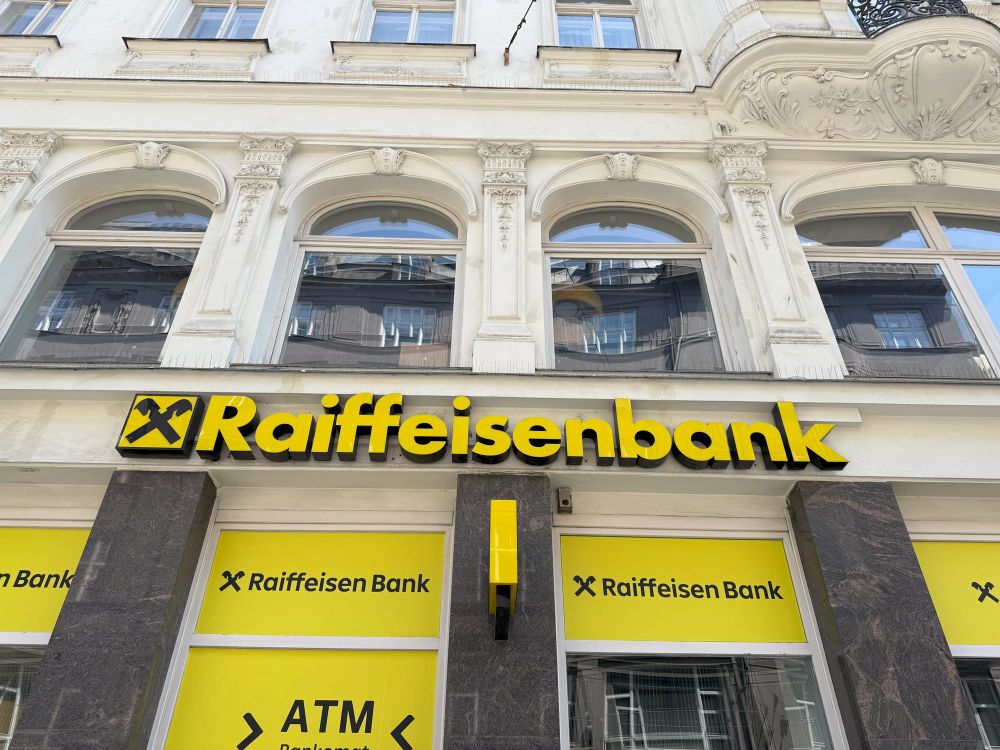
Raiffeisen Bank International rejected a report by short seller Grizzly Research concerning its Russia-related business. The Austrian bank described the publication as containing wrong and misleading statements, according to Reuters. The Wall Street Journal reported that RBI shares fell as much as 9.8% after the report appeared. No regulatory finding or enforcement action was announced.
Grizzly disclosed that it held a short position and would benefit if RBI’s share price declined. Its report used customs data and bank-code matches to identify trade flows that it associated with restricted goods. Grizzly alleged that the matched trade totalled $1.191 billion, including $106.75 million of items on the Common High Priority List. Those figures are allegations from the short seller, not verified findings against RBI.
REPORT INCLUDED MATERIAL LIMITATIONS
Grizzly’s own methodology stated that a bank-code match does not prove that RBI processed or financed a payment, earned revenue from a transaction or violated sanctions. That limitation is central to interpreting the data. Customs records alone cannot establish the bank’s role in individual trades.
RBI rejected the report’s characterisation but the retrieved response did not provide a transaction-by-transaction rebuttal. The bank has been under scrutiny over its Russian operations since the invasion of Ukraine. The present dispute concerns allegations by an interested market participant and the bank’s denial, rather than a completed official investigation.
SCRUTINY MAY SHIFT TO DOCUMENTED RESPONSES
The share-price reaction shows the market sensitivity surrounding RBI’s continued Russian exposure. Investors will need to distinguish documented banking activity from inferences based on trade and routing data. Further information from the bank, auditors or competent authorities would carry more evidential weight than the current opposing statements.
The next substantive milestone would be a detailed RBI response or any official examination addressing the specific claims. Until then, the allegations and reported amounts should remain expressly attributed to Grizzly. The absence of a regulatory finding should also remain clear in subsequent coverage.