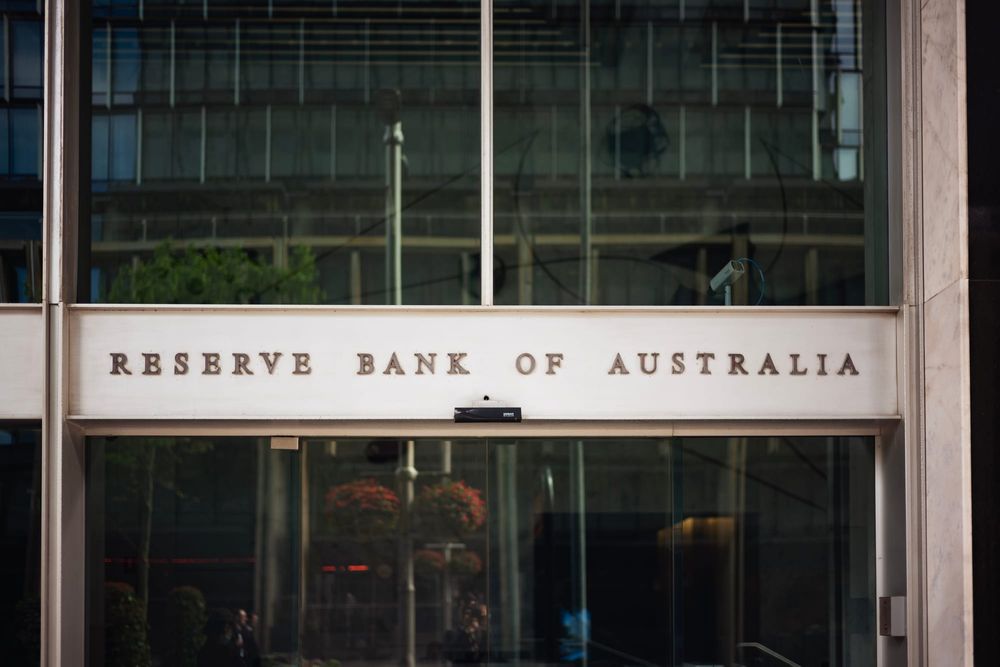
The Reserve Bank of Australia held its cash rate target steady at 4.35% on Wednesday, keeping policy on hold in the month after it delivered a hike in May. The decision, effective from 17 June 2026, leaves the benchmark rate at a level the Board judges consistent with returning inflation to target over a reasonable time frame.
The hold followed the Board's move in May to lift the cash rate, a step it took as the persistence of price pressures across the Australian economy forced a reassessment of the disinflation trajectory. By pausing in June, the Board signalled that it wants to see how earlier tightening feeds through into activity and inflation before making further changes.
INFLATION KEEPS POLICY TIGHT
Australian inflation stayed at 4.0% in May, well above the midpoint of the RBA's 2-3% target band. The stalling of the disinflation process at that level has been a central theme of Board discussion in recent meetings and provides the immediate context for keeping monetary policy in restrictive territory.
With inflation running at twice the top of the target band's midpoint, the Board has limited room to consider easing without evidence that price pressures are on a clear path lower. Services inflation and unit labour cost trends have been particularly closely watched as gauges of underlying dynamics.
The May hike, followed by a June hold, gives the Board time to weigh incoming data on jobs, wages, consumption and the housing market. Australian households remain sensitive to changes in the cash rate given the prevalence of variable-rate mortgages, and the pass-through of earlier moves continues to work through household budgets.
PAUSE AFTER MAY MOVE
By holding after a hike, the RBA is following a well-worn central bank playbook of front-loading action and then pausing to assess. That sequence allows policymakers to see the impact of the previous move on financial conditions and forward-looking indicators before committing to further tightening or, later, to any easing.
The June decision keeps the cash rate at 4.35%, a level that has come to define the current phase of Australia's post-pandemic tightening cycle. Retail deposit and mortgage rates at major Australian banks have adjusted to reflect the earlier hike, and the June hold implies no further immediate move in those benchmark rates.
Financial markets had entered the meeting with expectations divided between a hold and a further hike, given the persistence of inflation. The Board's decision to pause tilts the near-term policy signal towards patience, though officials have retained the flexibility to move again should the inflation outlook deteriorate.
For Australian businesses and households, the hold provides short-term certainty on debt-servicing costs but leaves monetary conditions unambiguously restrictive. Corporate borrowers refinancing this quarter will continue to face funding costs that reflect the cumulative tightening delivered by the Board since it began raising rates.
Attention now turns to the Board's next meeting and the flow of data on inflation, wages and activity between now and then. The June decision made clear that policy will remain calibrated to bring inflation sustainably back to target, with further moves in either direction contingent on the incoming evidence.