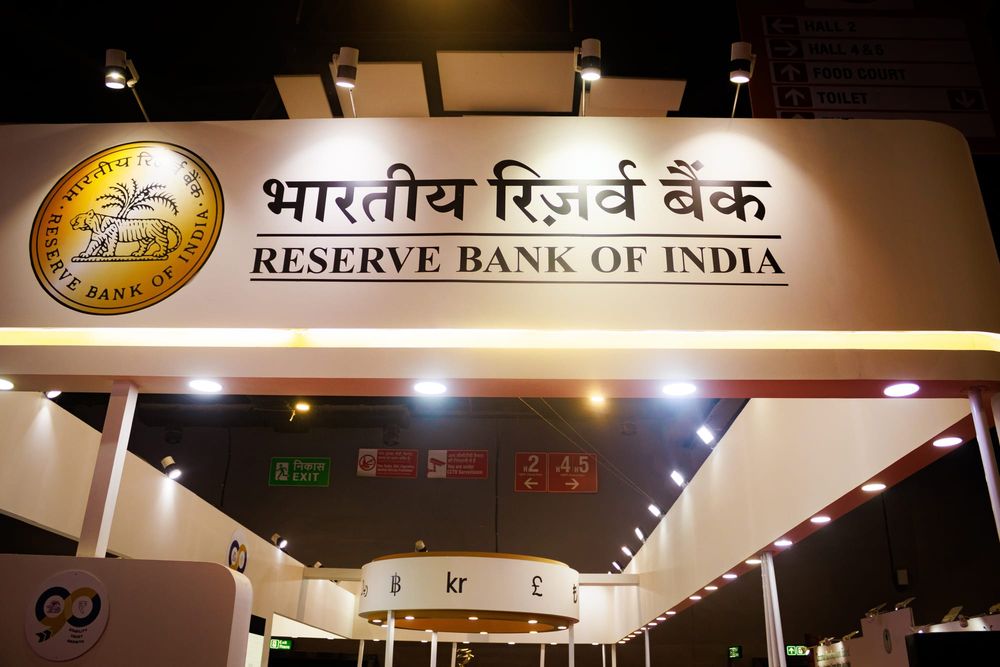
The Reserve Bank of India imposed a monetary penalty of approximately INR 4.3 lakh on Punjab National Bank for non-compliance with regulatory directions relating to currency chest operations, according to a press release issued on 13 August. The action followed a statutory inspection of the state-owned lender, adding to the regulator's steady flow of enforcement actions targeting operational discipline across the banking system.
Currency chests are secure vaults, typically operated by scheduled commercial banks on behalf of the RBI, that hold stocks of banknotes and coins for onward distribution to the banking system. Their operation is tightly governed by RBI directions covering everything from cash handling and reporting to physical security and reconciliation between the bank and the central bank.
INSPECTION FLAGS COMPLIANCE GAPS
The RBI said the penalty stemmed from findings during its statutory inspection of PNB, without providing a granular list of the individual lapses in the summary release. The regulator routinely uses such inspections to test how closely banks are following its operational directions, particularly in cash-handling activities that carry both prudential and financial-integrity implications for the broader system.
PNB, one of India's largest public-sector banks, operates a substantial network of currency chests across the country as part of its role in the RBI's cash-distribution architecture. Even relatively small procedural breaches at that scale can trigger regulatory action, given the importance the central bank places on the integrity of the currency chest system in a still cash-intensive economy.
The INR 4.3 lakh penalty is modest in absolute terms, particularly for a bank of PNB's size, but reflects the RBI's practice of imposing calibrated fines that emphasise the compliance breach rather than seeking financial redress from the institution concerned.
PART OF RBI'S ENFORCEMENT PATTERN
The regulator has for several years used monetary penalties as a tool to reinforce operational discipline across the banking system, with a steady drumbeat of orders targeting specific directions on lending, KYC, currency handling and IT governance. The PNB order fits into that broader enforcement pattern, which now covers public-sector, private-sector and foreign banks alike.
In its standard formulation, the RBI notes that penalties issued through this route are based on deficiencies in regulatory compliance and are not intended to pronounce upon the validity of any transaction or agreement entered into by the bank with its customers. That language is typically reiterated in the summary release to underline the technical nature of the finding.
For PNB, the immediate financial impact of the fine is limited, but the order adds another data point to the regulator's public record of its supervisory relationship with the bank. Investors and market analysts often track such actions when assessing operational risk at large Indian lenders, particularly in the state-owned segment.
The full press release, including the specific directions found to have been breached, was published on the RBI's website, giving stakeholders access to the formal citation and the regulator's reasoning in imposing the penalty on the country's second-largest public-sector bank. The regulator's practice of publishing enforcement outcomes has become a routine channel through which market participants monitor supervisory activity across Indian banks.