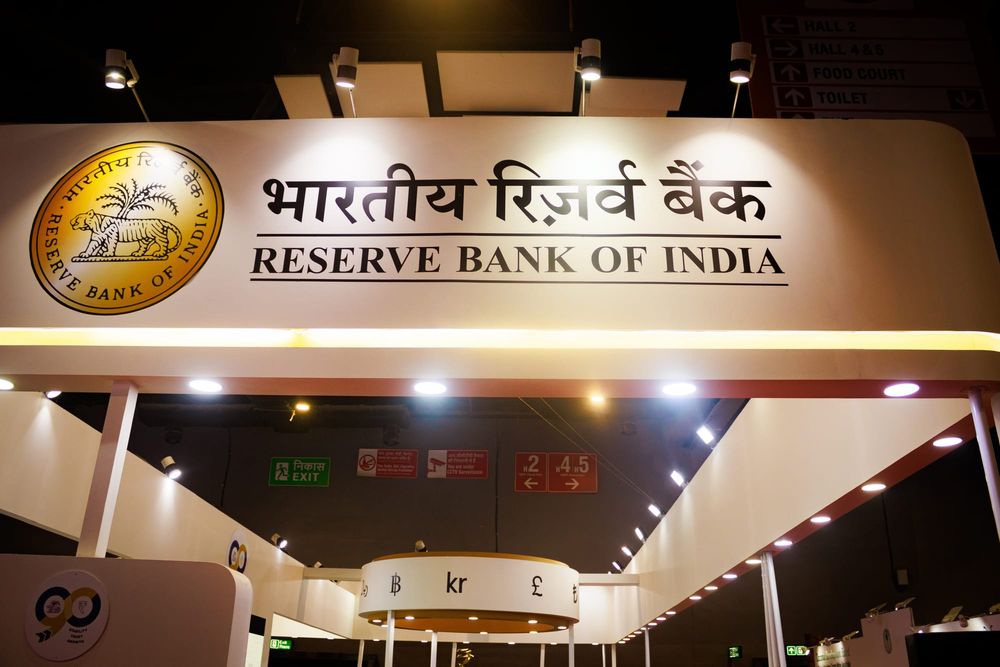
The Reserve Bank of India has granted regulatory approval for Emirates NBD, the Dubai-headquartered banking group, to acquire up to 74% of RBL Bank, a Mumbai-based private sector lender. The RBI's approval, dated 1 April 2026, authorises a transaction valued at approximately $3 billion, or INR 26,853 crore, at a price of INR 280 per share. The deal represents one of the largest foreign acquisitions of an Indian bank in recent history and marks a significant expansion of Emirates NBD's presence in the South Asian financial market.
Under the structure envisaged by the transaction, RBL Bank would be reclassified from a domestic private sector bank to a foreign bank operating through the wholly-owned subsidiary model, the regulatory framework that the RBI has established for significant foreign-controlled banking entities operating in India. This reclassification brings with it a distinct supervisory regime governing capital requirements, branch expansion permissions, priority sector lending obligations, and reporting requirements that differ from those applicable to domestically owned private sector banks.
EMIRATES NBD'S EXPANSION INTO INDIA
Emirates NBD's move into the Indian banking market through a majority stake in an established domestic lender reflects the Dubai-based group's broader strategic ambitions to grow its presence across high-growth emerging markets in the wider region. India's banking sector has attracted sustained interest from international financial institutions, driven by the country's expanding middle class, the rapid growth of financial services consumption, rising digital adoption across the payments and credit sectors, and a regulatory environment that, while requiring RBI approval for foreign ownership at these levels, has shown willingness to accommodate well-capitalised and well-governed foreign entrants under the WOS model.
For Emirates NBD, a transaction of this scale provides immediate access to RBL Bank's existing branch network, established client relationships, and Indian banking licence, bypassing the considerably slower and more expensive alternative of building a meaningful Indian presence from scratch through a greenfield wholly-owned subsidiary. RBL Bank has developed notable strengths in credit cards, microfinance, and small business lending — segments aligned with the consumer financial services capabilities that Emirates NBD has built across its home and regional markets in the Gulf Cooperation Council countries.
The all-in consideration of approximately INR 26,853 crore at INR 280 per share sets a clear reference valuation for RBL Bank's franchise, providing shareholders with a straightforward basis on which to assess the offer relative to the bank's traded market price, its book value, and its standalone earnings trajectory. The RBI's approval clears the principal regulatory condition precedent, though the transaction will still require satisfaction of additional procedural requirements before completion, including any conditions the regulator may have attached to its approval.
IMPLICATIONS FOR RBL BANK AND ITS SHAREHOLDERS
The reclassification of RBL Bank as a wholly-owned subsidiary of a foreign banking group carries operational and regulatory consequences that extend well beyond the ownership structure itself. WOS entities in India are subject to specific RBI guidelines that differ from those governing domestic private sector banks, particularly in areas such as priority sector lending targets, capital repatriation rules, and the treatment of certain types of borrowing and funding instruments. How efficiently Emirates NBD and RBL Bank manage the transition to the WOS model will be a key operational challenge in the period following the completion of the acquisition.
For RBL Bank's existing minority shareholders, the arrival of a well-capitalised strategic parent with the scale and international capabilities of Emirates NBD represents a potential source of product enhancement, technology investment, and balance sheet support that could materially improve the bank's competitive positioning in the Indian market over time. The RBI's willingness to grant approval to a transaction of this scale and structure will also be read by other international financial institutions as a signal about the accessibility of Indian private sector banking assets to well-qualified foreign acquirers, potentially encouraging further inbound investment interest in the sector.