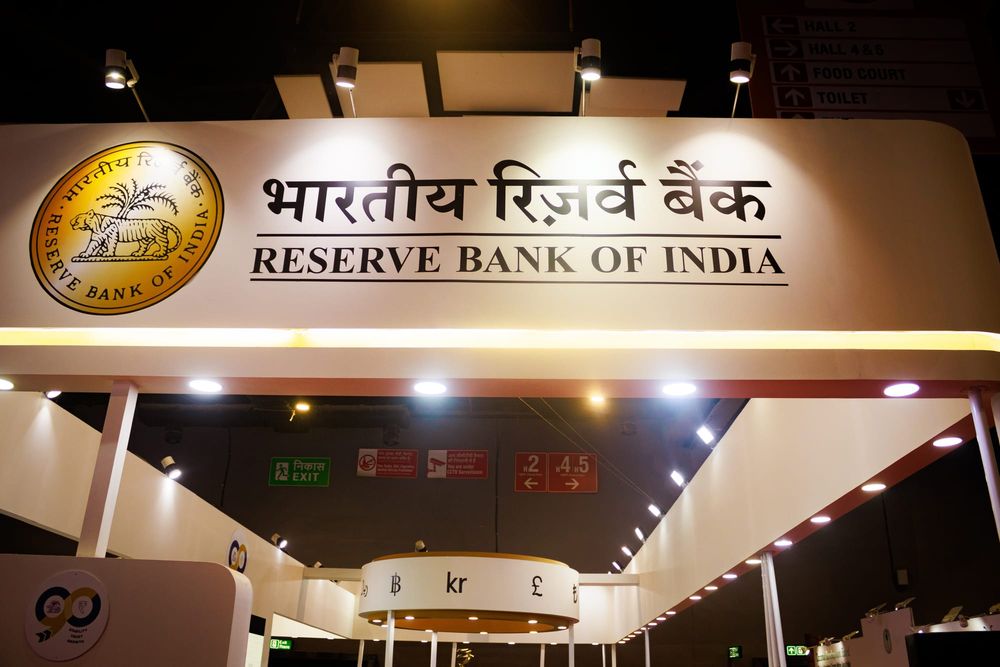
The Reserve Bank of India has imposed a monetary penalty of INR 31.80 lakh on YES Bank Limited for failing to comply with directions on the use of the Central KYC Records Registry, in an order issued on 8 May 2026. The fine equates to approximately USD 38,000.
The action was taken under Section 47A(1)(c) read with Section 46(4)(i) of the Banking Regulation Act, 1949, the RBI said in its press release. The penalty follows a statutory inspection of the lender with reference to its financial position as of 31 March 2025.
CENTRAL KYC IDENTIFIER AT ISSUE
The regulator found that YES Bank had not put in place a system for using the KYC Identifier assigned by the Central KYC Records Registry, or CKYCR, when opening account-based customer relationships. The Identifier is designed to allow banks and other regulated entities to retrieve verified customer information from a centralised registry rather than repeating know-your-customer checks in isolation.
The framework is intended to reduce duplication in customer onboarding, cut compliance costs across the sector and improve the quality and consistency of KYC records held by regulated entities. Failure to draw on the CKYCR identifier means account-based relationships are not connected to the shared record system, undermining that objective.
The RBI made clear that the penalty relates to deficiencies in regulatory compliance and is not intended to pronounce on the validity of any transaction or agreement entered into by the bank with its customers. That language mirrors the wording the central bank routinely uses in enforcement orders of this type.
FOLLOWS STATUTORY INSPECTION
The action stems from the RBI's supervisory review of YES Bank based on its financial position at end-March 2025. Following the inspection, and after considering the bank's written responses and oral submissions during the personal hearing, the regulator concluded that the charge of non-compliance was substantiated and warranted a monetary penalty.
The same batch of enforcement notices included a much smaller INR 1.8 lakh penalty on Hinduja Housing Finance, indicating that the CKYCR-related deficiencies formed part of a broader supervisory sweep across banks and non-bank financial companies.
For YES Bank, the size of the fine is modest in the context of the lender's overall operations but adds to a run of regulatory findings that Indian banks have faced in recent years around customer due-diligence controls. The RBI has stepped up scrutiny of KYC processes as part of its wider focus on the integrity of the financial system and the effectiveness of anti-money laundering safeguards.
YES Bank did not immediately comment on the order beyond acknowledgement in the standard course. The bank will now be expected to demonstrate that it has remediated the specific gap identified by the regulator, particularly around the operational use of the CKYCR identifier in its account-opening workflows. The RBI has historically used financial penalties of this size to signal supervisory dissatisfaction with specific procedural failings rather than to impose a materially punitive cost on the institution concerned. For banks of the size of YES Bank, the reputational and operational implications of the finding are typically more consequential than the direct financial impact.