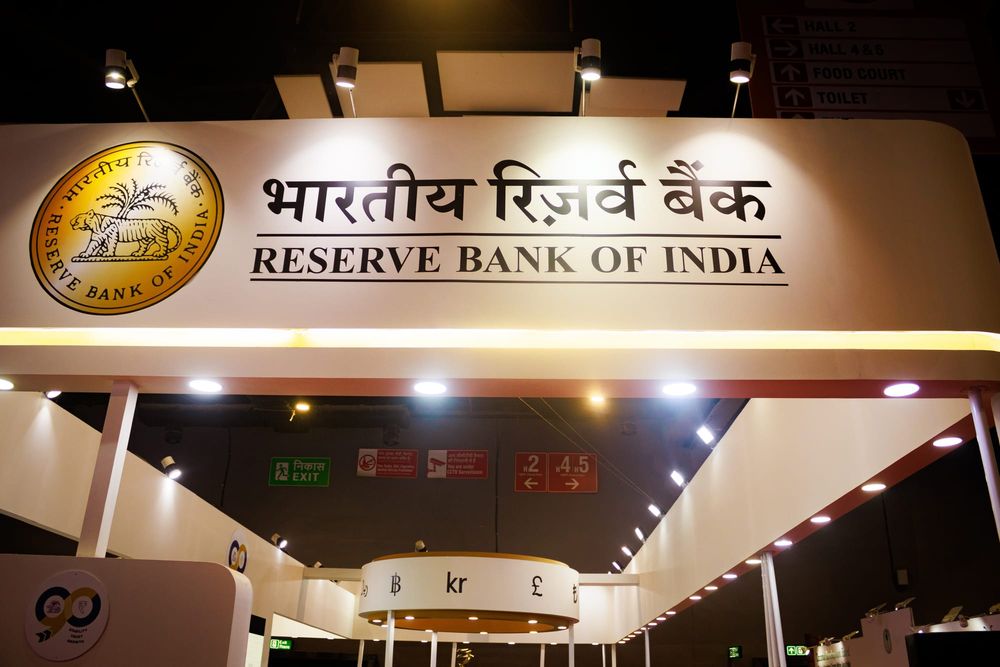
The Reserve Bank of India moved to absorb approximately ₹1 trillion ($10.5 billion) of excess liquidity from the banking system, escalating its response to an unusually large cash surplus that has pushed short-term market rates below the policy rate and complicated monetary management as inflation risks increase.
The central bank will conduct open-market sales of government securities as it seeks to bring banking-system liquidity back towards levels consistent with its monetary policy stance. The move follows an exceptional increase in liquidity after Indian banks raised approximately $127 billion through a special foreign-exchange mobilisation scheme, contributing to a banking-system surplus exceeding ₹10 trillion.
The scale of the excess cash has become increasingly significant for monetary policy transmission. When banking-system liquidity remains substantially above requirements, overnight borrowing rates can trade below the Reserve Bank of India’s policy rate, weakening the central bank’s ability to transmit its intended monetary stance through financial markets.
RBI Governor Sanjay Malhotra said the central bank has several instruments available to manage the surplus, including open-market operations and foreign-exchange swaps. Indian government bond yields moved higher as investors increased expectations that the RBI would use outright securities sales to withdraw cash.
LIQUIDITY MEETS INFLATION RISK
The intervention comes at a sensitive point for India’s monetary policy. Higher global energy prices are increasing inflation risks, while excess domestic liquidity could amplify demand and weaken the effectiveness of existing policy settings.
India’s banking-system liquidity surplus remained above ₹10 trillion during the week, creating an increasingly large gap between available cash and the level required for normal market functioning. The RBI nevertheless continues to frame liquidity withdrawal separately from the policy-rate outlook, using balance-sheet operations to improve monetary transmission without necessarily signalling an immediate rate change.
WHY IT MATTERS
The RBI’s intervention demonstrates how liquidity management is becoming an increasingly important component of monetary policy as global capital flows, foreign-exchange operations and bank funding programmes create large swings in domestic cash conditions.
For Indian banks, the withdrawal of excess liquidity could affect short-term funding conditions, government-bond portfolios and pricing across money markets. It also sends a broader signal: central banks facing renewed inflation pressure cannot rely solely on headline policy rates. Balance-sheet operations, reserve requirements, bond transactions and foreign-exchange tools are increasingly being used to fine-tune financial conditions between formal rate decisions.
For India, the immediate challenge will be removing enough liquidity to restore effective monetary transmission without creating unnecessary volatility in one of the world’s largest government-bond markets.