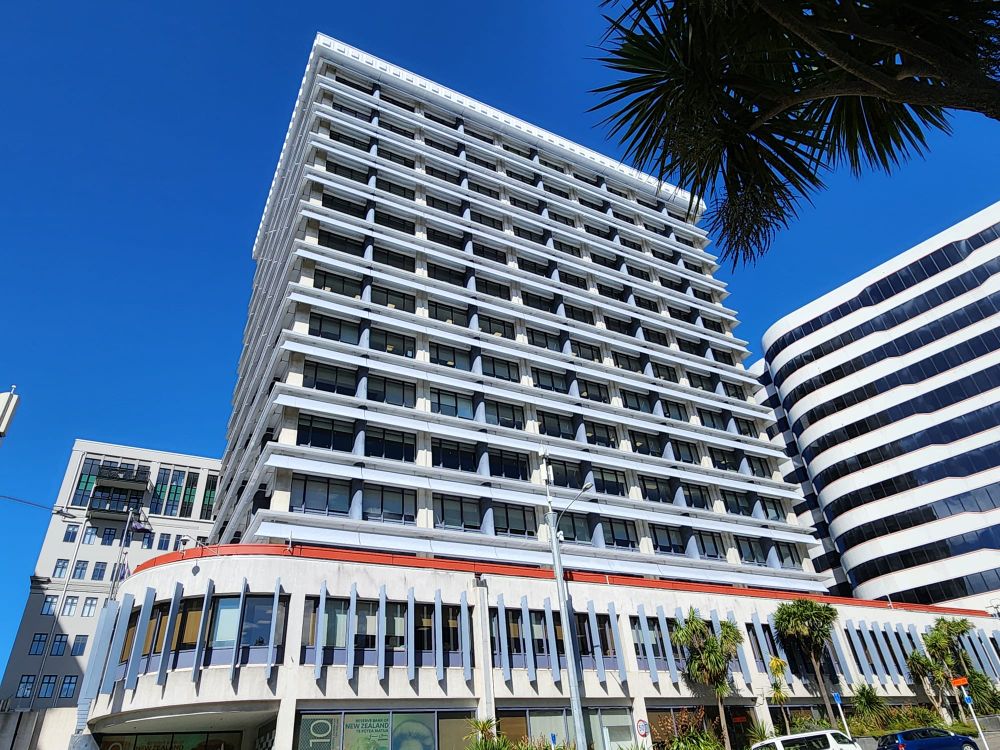
The Reserve Bank of New Zealand (RBNZ) raised the Official Cash Rate (OCR) by 25 basis points to 2.50% at its July monetary policy review, and flagged that further tightening was likely at coming meetings as inflation risks from the Middle East shock persist. The decision was reached by consensus among Monetary Policy Committee members, indicating a united front on the need to lean against inflation pressures still working through the economy.
The bank projected inflation to peak at 3.9% in June before returning to the target band around the middle of 2027. That trajectory left the committee comfortable that further modest tightening was consistent with restoring price stability without over-restricting activity, and it framed the July move as an incremental step rather than a decisive change of stance.
INFLATION PATH AND EXTERNAL SHOCK
The RBNZ's central inflation forecast has been reshaped by the Middle East shock, whose effects on energy prices and shipping costs the committee expects to linger. In its policy statement, the bank said those pass-through effects were still working their way through the domestic price level, keeping headline inflation elevated for longer than had previously been assumed.
Projecting a peak of 3.9% in June represents a meaningful overshoot of the RBNZ's target midpoint. The path back into the target band by mid-2027 depends on the shock unwinding and on domestic inflation expectations remaining anchored, both of which the committee identified as key risks. If either condition weakens, the bank has signalled it stands ready to respond with additional tightening.
The 25 basis point move to 2.50% marks a tightening step consistent with the bank's message that policy needed to lean against second-round effects rather than accommodate them. Reaching the decision by consensus removes any perception of a divided committee on the direction of travel, and provides markets with a clearer read on the reaction function through the remainder of the year.
GUIDANCE FOR COMING MEETINGS
Forward guidance from the RBNZ was unusually explicit, with the committee stating that further hikes are likely at coming meetings. That language moves market expectations towards a continued sequence of increases rather than a single insurance move, though the exact pace will depend on incoming data on the labour market, wage growth and imported prices.
The bank said it would continue to monitor how domestic activity, wage settlements and imported inflation evolve against its projections. If the peak inflation reading confirms the 3.9% path and expectations remain contained, the committee's guidance suggests the OCR is set to move higher in a measured, meeting-by-meeting fashion rather than in larger, front-loaded increments, in keeping with the RBNZ's stated preference for gradualism when policy is already in restrictive territory.
For borrowers and depositors, the 25 basis point step to 2.50% will feed through to floating-rate lending and to term deposit rates in the usual way. The committee's guidance means that mortgage-holders and businesses should plan on the assumption that the July move is unlikely to be the last of the cycle, and that the RBNZ retains a bias towards further tightening as the Middle East shock continues to work through the domestic economy.