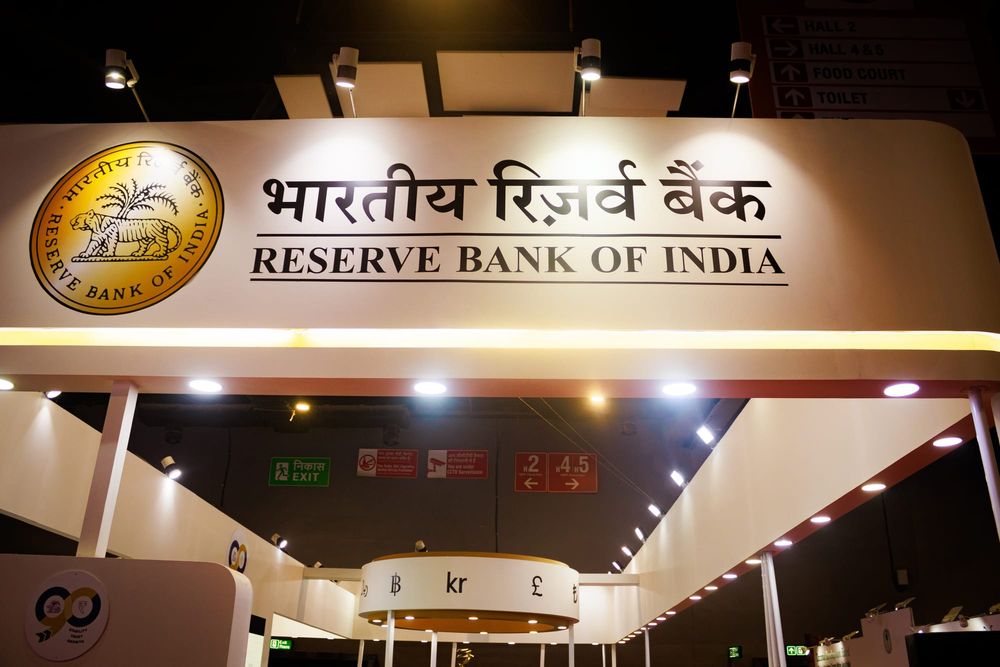
The Reserve Bank of India has released draft directions that would permit Indian commercial banks to provide financing for mergers and acquisitions, a change that would end a prohibition on M&A lending that has been embedded in the regulatory framework for more than 70 years. The proposal represents a structural shift in how corporate transactions can be funded in India, opening a channel that has long been available in most other major economies but unavailable to Indian banks.
Under the proposed framework, banks would be allowed to extend acquisition finance subject to defined exposure limits. The draft directions cap a single bank's exposure at 10 per cent of its Tier-1 capital for any individual M&A financing transaction, and set a maximum of 70 per cent of deal value as the proportion that bank debt can finance in a given transaction. Both limits are designed to ensure that acquisition lending does not concentrate risk in individual institutions or produce excessive leverage at the transaction level.
ENDING A SEVEN-DECADE PROHIBITION
The prohibition on M&A financing by Indian commercial banks dates back more than seven decades and has shaped the way corporate acquisitions have been structured in India. In the absence of domestic bank funding for deals, Indian acquirers have historically relied on a combination of internal accruals, equity issuance, external commercial borrowings, and non-bank financial companies to fund transactions. International deals by Indian firms have sometimes been financed through foreign subsidiaries of Indian banks, where different regulatory regimes apply.
The practical effect of the prohibition has been to limit the speed and scale of domestic consolidation in some industries, as potential acquirers lacking access to leveraged acquisition finance have been constrained to deals supportable by their existing balance sheets or equity capital. A framework permitting bank-funded acquisitions could accelerate deal activity by widening the pool of potential buyers and enabling larger transactions.
The RBI's move to open a consultation on draft directions suggests a measured approach to the reform, allowing the industry and public to comment on the proposed parameters before they are finalised. The 10 per cent Tier-1 capital cap and 70 per cent loan-to-value limit are relatively conservative by international standards and reflect the central bank's caution about introducing new credit risk categories without appropriate constraints.
IMPLICATIONS FOR INDIA'S M&A MARKET
The ability to access bank acquisition finance could meaningfully alter deal economics for Indian corporates, particularly in sectors undergoing consolidation such as infrastructure, financial services, and manufacturing. Private equity-backed buyouts, a structure that depends heavily on leveraged bank debt in developed markets, have been difficult to execute in India partly because of the restrictions on bank lending for acquisitions.
Indian non-bank financial companies and alternative credit funds have partially filled the gap left by the bank lending prohibition, providing acquisition-linked credit structures to domestic and foreign buyers. If the RBI framework is finalised and banks enter the market, competition for quality M&A mandates is likely to increase, potentially bringing down the cost of acquisition debt for creditworthy borrowers.
Law firms and investment banks with M&A practices in India have been tracking the proposal closely, given its implications for deal structuring and the range of financing options available to clients. The Bar and Bench noted the regulatory significance of the shift, describing it as a move toward a framework more consistent with the acquisition finance norms that prevail in comparable economies.