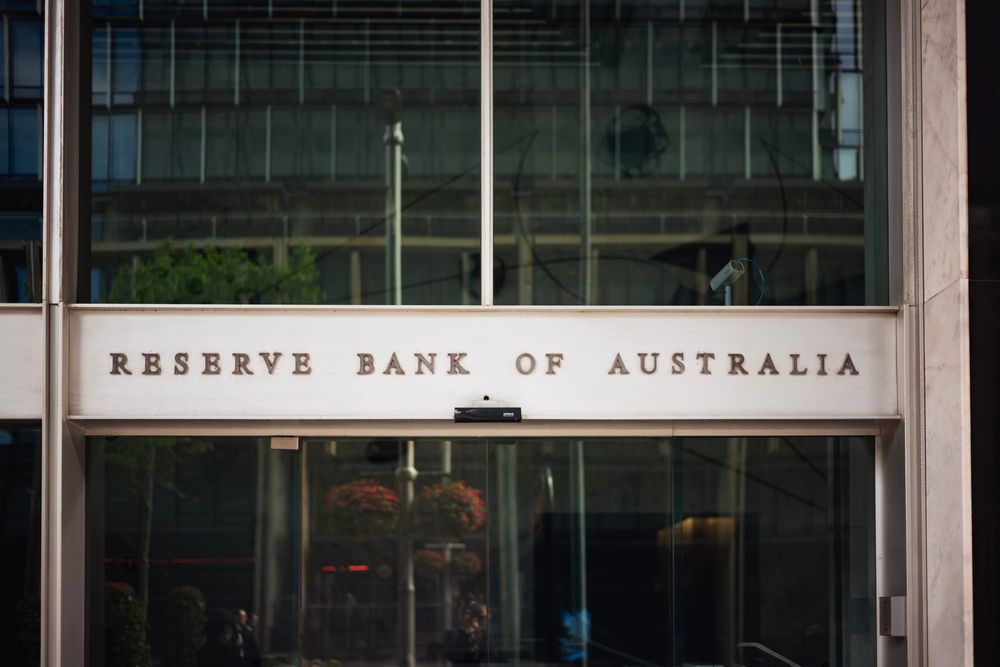
Reserve Bank of Australia Governor Michele Bullock said risks that inflation could remain too high may be materialising. She pointed to elevated energy costs and demand that was still running ahead of the economy's capacity. The cash rate stands at 4.35% after 75 basis points of increases since February. Bullock did not commit the board to a decision before its 29 September meeting.
Australia's trimmed-mean inflation rate was 3.6%, above the central bank's 2%–3% target range. Bullock said an unemployment rate of 4.5% looked “a bit tight” and that a rate between 4.5% and 5% would probably take enough heat out of the labour market to ease pressure on inflation.
MARKETS EXPECT ANOTHER INCREASE
All four major Australian banks and most money-market traders expected the RBA to raise rates at the September meeting, the Australian Financial Review reported.
Bullock said she did not give forward guidance and could not say what the board would decide, but that the risks it had highlighted might be materialising and would be important in considering whether to raise rates. She said inflation was too high because demand was outstripping the economy's ability to supply goods and services, with the tight labour market as evidence.
BANKS FACE A POLICY TEST
Bullock noted that most Australian home loans are on variable rates, so tighter policy has a very direct impact on housing loan rates.
The board's decision on 29 September is the next milestone.