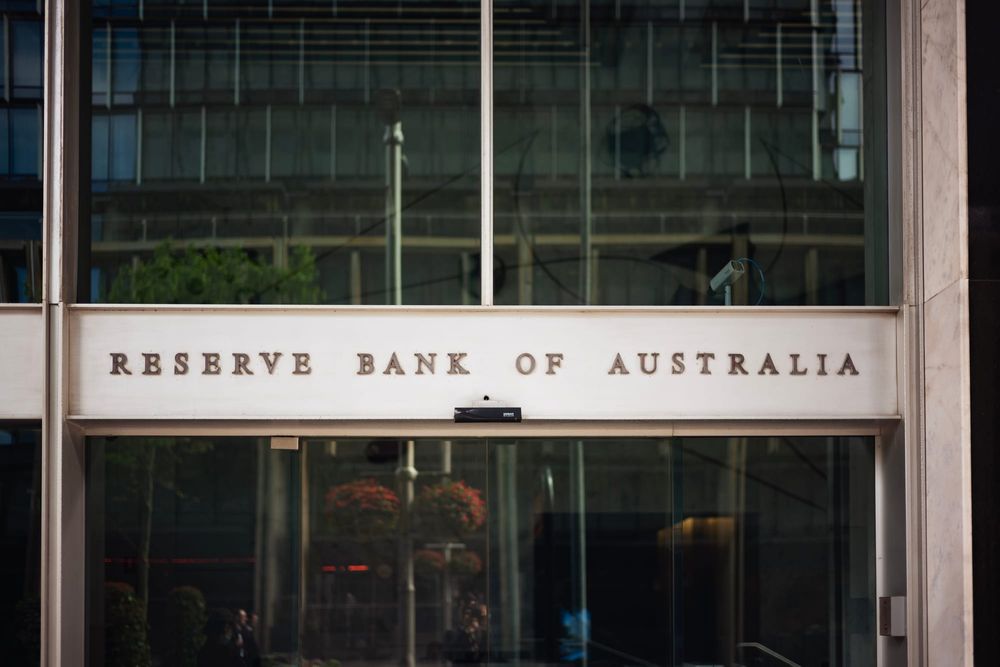
The Reserve Bank of Australia held its cash rate target at 4.35% on Tuesday, effective 12 August 2026, opting to keep policy on hold as inflation lingered above the target band. The decision marked the second consecutive hold following the tightening step delivered in May and was published on the central bank's website.
The Board said the decision was consistent with returning inflation to the 2–3% target range on a reasonable timeframe while preserving as many of the gains in the labour market as possible. The next scheduled update from the Board is set for 29 September 2026, when policymakers will have a further set of inflation and activity readings to assess.
SECOND HOLD AFTER MAY TIGHTENING
The Board's decision to keep the cash rate at 4.35% follows the May increase and reflects a preference to allow more time to assess how the additional restrictiveness is filtering through the economy. Members judged that a further move was not warranted at this meeting, given the lags with which monetary policy affects activity and prices and the mixed signals across recent data releases.
Officials continued to characterise the labour market as tight relative to full employment, even as gradual easing in conditions has become more evident. Wage growth has moderated from its recent peaks but remains above the pace judged consistent with the inflation target absent stronger productivity growth, keeping services inflation as the principal source of concern for the Board.
The statement reiterated that the Board is not ruling anything in or out and will be guided by incoming data and the evolving assessment of the risks. It flagged household consumption, the outlook for services inflation, and developments in the global economy as key uncertainties, alongside the trajectory of major-economy monetary policy.
NEXT DECISION ON 29 SEPTEMBER
The next monetary policy decision is scheduled for 29 September 2026, when the Board will have a fresh reading of the quarterly Consumer Price Index and updated national accounts to inform its assessment. Markets are pricing a broadly steady path over the near term, but with a modest tail of tightening risk still embedded in short-dated instruments after Tuesday's decision.
The Australian dollar and three-year government bond yield showed limited reaction, reflecting how well telegraphed Tuesday's decision had been. Traders trimmed the probability of a near-term move in either direction, consistent with the Board's data-dependent framing and the emphasis on watchful waiting through the next inter-meeting period.
Governor and Board communication in coming weeks, including scheduled parliamentary appearances and Statement on Monetary Policy publications, will provide additional colour on the updated forecasts and the reaction function guiding the next steps. The Board has increasingly emphasised transparency and open communication with markets and the public as part of its own governance overhaul.
For borrowers and savers, Tuesday's decision means another period in which mortgage rates, term deposit yields and business lending costs will continue to reflect the current restrictive stance. Housing market indicators, credit growth and consumer spending will be closely watched over the next six weeks as leading gauges of how households and businesses are absorbing the accumulated tightening delivered since 2022.