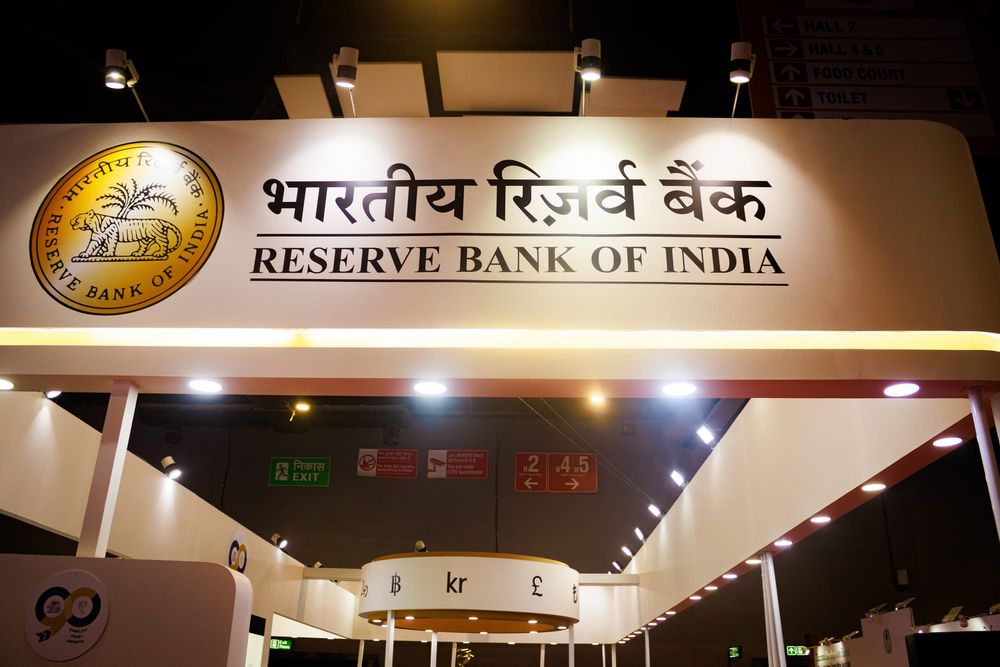
The Reserve Bank of India has approved Sumitomo Mitsui Banking Corporation's application to increase its shareholding in Yes Bank from 20 per cent to up to 24.99 per cent, the Indian central bank announced on 23 August 2025, in a decision that would consolidate the Japanese lender's position as the dominant foreign institutional investor in the reconstructed Indian private sector bank.
A key element of the RBI's approval is its ruling that SMBC will not be classified as a 'promoter' of Yes Bank as a result of the enlarged stake. That distinction carries significant governance and compliance implications under Indian securities law: promoter classification would impose additional disclosure obligations, lock-up requirements, and creeping acquisition constraints on SMBC that the non-promoter designation avoids. The ruling is expected to have been an important commercial consideration for SMBC in structuring its approach to the investment.
SMBC DEEPENS ITS INDIA COMMITMENT
SMBC's incremental approach to its Yes Bank holding — moving from 20 per cent to just under 25 per cent — keeps the Japanese bank below the threshold that would trigger a mandatory open offer under Indian takeover regulations, while substantially deepening its economic interest in one of India's mid-sized private banks. Yes Bank has undergone a period of extensive reconstruction following a near-collapse in early 2020, during which a consortium of domestic banks provided emergency capital under an RBI-orchestrated rescue plan.
For SMBC, Yes Bank represents a strategic entry point into India's banking sector, one of Asia's fastest-growing financial markets. A stake of just under 25 per cent provides meaningful influence over the bank's strategic direction — through board representation and dialogue with management — without triggering the full regulatory burden that would accompany promoter status. The arrangement also gives SMBC a commercial platform from which to develop cross-border financing, trade, and treasury service relationships with Japanese corporations that have operations across India.
SMBC's initial investment in Yes Bank was part of the 2020 reconstruction and represented a signal of confidence in the bank's long-term viability at a time when its future was highly uncertain. The willingness to increase that stake to nearly 25 per cent suggests SMBC's assessment of Yes Bank's recovery trajectory has remained positive through the reconstruction period.
YES BANK'S RESTORED REGULATORY STANDING
The RBI's willingness to approve a foreign bank increasing its holding to near 25 per cent reflects a broader signal about Yes Bank's restored regulatory standing. In the years following the 2020 rescue, Yes Bank progressively improved its asset quality metrics, rebuilt its retail and commercial banking franchise, and satisfied regulatory requirements around capital adequacy and governance — developments that have gradually reduced the level of supervisory concern that attended the immediate post-rescue period.
State Bank of India, which led the 2020 rescue consortium and remains a significant shareholder, has reduced its Yes Bank exposure over time, and SMBC's rising stake partly fills the gap left by those disposals. The RBI's clearance of the expanded holding to 24.99 per cent, combined with the non-promoter ruling, provides SMBC with the regulatory clarity it needs to formalise its long-term strategic commitment to the bank.