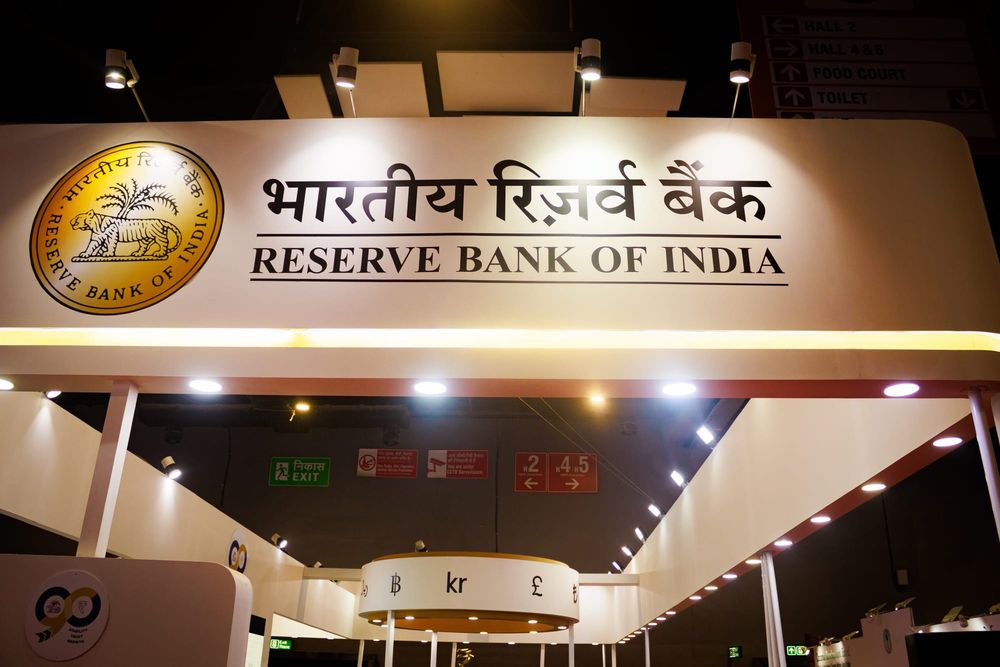
The Reserve Bank of India finalised minimum capital requirements for banks' market risk under Basel III. The directions will take effect on 1 April 2027. They establish a clearer boundary between banking and trading books and set capital treatment for positions exposed to market-price movements. The framework follows a draft published in February 2023.
The central bank revised the proposal after considering stakeholder feedback. It adopted a Simplified Standardised Approach suited to the scale and complexity of Indian banks' trading activities. The rules apply to covered banks on both standalone and consolidated bases.
TRADING BOOK BOUNDARIES TIGHTEN
The directions cover interest-rate and equity risk in the trading book, while foreign-exchange, gold and precious-metal risks are captured across both banking and trading books. Instruments held for trading generally must be allocated to the trading book under the prescribed criteria.
Clearer allocation rules are intended to reduce opportunities to move positions between books solely to obtain a lower capital charge. Banks will therefore need consistent classification, valuation and risk-management processes before the effective date.
IMPLEMENTATION WORK STARTS NOW
The final rules give lenders roughly six months to assess systems, portfolios and capital impacts. Larger trading operations may face more extensive data and governance work, while the simplified method should limit unnecessary complexity for institutions with smaller market-risk exposures.
Banks' next milestone is readiness for the 1 April 2027 start date, including board-approved controls and regulatory reporting. Any material capital effect will depend on each lender's trading positions and risk profile rather than the publication of the framework alone.