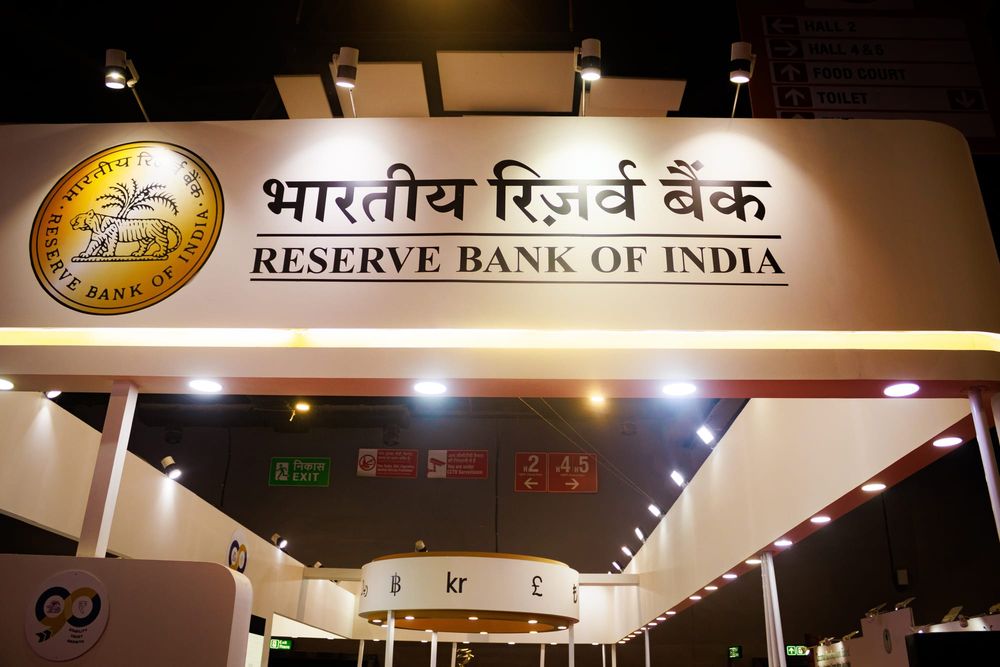
The Reserve Bank of India kept its policy rate at 5.25% and unveiled measures to support the rupee, the central bank said, signalling a pause in its recent tightening cycle while addressing currency pressures.
RATIONALE AND POLICY CONTEXT
The decision to hold the policy rate at 5.25% followed standard central bank practice when policymakers balance domestic inflation dynamics, growth considerations, and external vulnerabilities. The announcement paired the rate decision with a set of measures described as intended to support the rupee, indicating that authorities assessed currency stability as a sufficiently important factor to warrant targeted action alongside conventional monetary policy.
Central banks often faced trade offs between tightening to curb inflation and easing intervention in foreign exchange markets to stabilise the currency. In this instance, the actions taken by the central bank combined a steady policy stance with steps aimed at addressing exchange rate volatility, reflecting a dual approach to manage both price stability and external sector risks.
The public communication that accompanied the decision emphasised the linkage between the interest rate stance and efforts to preserve orderly market functioning. By keeping the policy rate unchanged while signalling active support for the currency, the central bank sought to convey that monetary policy and currency operations were being coordinated to address evolving economic conditions.
MARKET AND BANKING IMPLICATIONS
For banks, the decision to maintain the policy rate at the level indicated a continued cost environment that had been priced into lending and deposit strategies. The maintenance of that rate reduced immediate uncertainty over the direction of short-term funding costs, while the currency measures were likely to influence foreign exchange liquidity and hedging costs for corporate treasuries that have exposure to external financing.
Financial markets typically reacted to combined rate-and-currency announcements through adjustments in short-term funding rates, sovereign bond yields, and currency forward curves. A central bank action that paired a steady policy rate with explicit rupee support signalled to investors that currency volatility was a central bank priority. That signal aimed to reduce abrupt exchange rate moves that can transmit into inflation and balance sheet risk for unhedged borrowers.
Institutional investors and exporters often monitored such policy mixes closely because they affected capital flow dynamics and trade competitiveness. When a central bank intervened in currency markets or adjusted liquidity conditions to defend an exchange rate, it could alter demand for local-currency assets and shift international investor positioning.
On the regulatory side, banks remained attentive to potential changes in foreign exchange provisioning, margining on derivatives, and the cost of external borrowing. Actions to support a currency typically influenced the availability and price of hedging instruments, which in turn affected corporate risk management strategies and bank exposures to currency mismatches.
Analysts and market participants commonly evaluated the announcement in the context of prior rate decisions and the central bank's stated inflation and growth objectives. The combined approach of a steady policy rate and targeted currency measures suggested a tactical response to near-term exchange rate pressures while preserving monetary policy options for core price stability goals.
Going forward, observers expected that the central bank's communications and the measurable effects of its currency measures would shape market perceptions about the likely duration of the rate pause and the need for any further interventions. The immediate policy mix provided a framework for banks, corporates, and investors to reassess funding strategies and hedging positions in light of reduced uncertainty on the interest rate front and clarified intent on currency support.
Sources: Profit by Pakistan Today