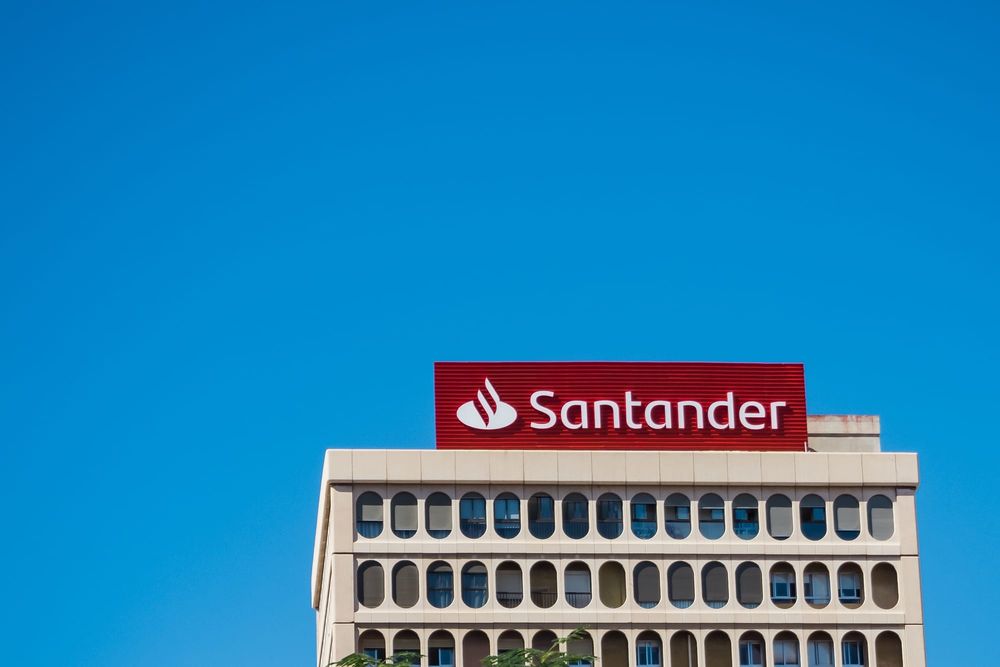
Santander has announced an agreement to acquire Webster Financial Corporation, the parent company of Webster Bank, for USD 12.2 billion, in a deal that ranks among the largest bank mergers and acquisitions announced in the United States in 2026. The acquisition, announced on 3 February 2026, will substantially expand the Spanish banking group's American operations, adding a well-established commercial and retail bank with a particularly distinctive and strategically valuable presence in the health savings account market to the Santander US franchise.
Webster Bank brings USD 79 billion in total assets to the transaction, making it a material and transformative addition to Santander's existing United States business. The deal represents one of the more significant steps the Spanish group has taken to grow its North American presence through inorganic means, and it signals the group's continued confidence in the long-term commercial prospects of the US banking market despite an environment shaped by heightened regulatory scrutiny and intense competition for retail deposits.
HEALTH SAVINGS ACCOUNT BUSINESS A STRATEGIC DRAW
A key attraction of the Webster transaction for Santander is the target bank's strong health savings account business, a segment that has grown rapidly across the United States as employers and employees have increased their use of HSA-eligible high-deductible health insurance plans. HSA deposits are typically low-cost, long-duration, and generate predictable fee income streams, making them a strategically valuable source of stable funding and non-interest revenue for any large commercial bank integrating the book into a broader operation.
Webster Bank has built a well-recognised position in this niche over many years, and the HSA business is expected to provide Santander with a meaningful funding advantage within the competitive US deposit market. The combination of a broad retail and commercial banking franchise with a specialist health savings account operation gives the enlarged entity a more diversified revenue and funding profile than is typical among mid-to-large regional banks operating in the northeastern United States, where Webster has its most significant market presence.
SCALE AND COMPETITIVE POSITIONING IN THE US MARKET
For Santander, the acquisition directly addresses a longstanding strategic question about the adequacy of the scale of its United States operations, which have historically been smaller relative to the group's dominant and more profitable footprints in Spain, Brazil, and the United Kingdom. Adding Webster's USD 79 billion asset base materially changes that equation, pushing the enlarged Santander US platform into a more competitive position alongside other large regional and super-regional banks operating across the northeastern and mid-Atlantic states where Webster has historically maintained its most significant customer relationships and market share.
The deal is subject to customary regulatory approvals in the United States, including review by the Federal Reserve and the Office of the Comptroller of the Currency, and is expected to proceed through the standard process applicable to bank acquisitions of this considerable size. Upon completion, the combined entity will require an extended integration programme covering technology platforms, operations, risk management frameworks, and customer-facing product suites — a process that typically unfolds over a period of one to two years following the formal close of major bank mergers of this complexity and scale.