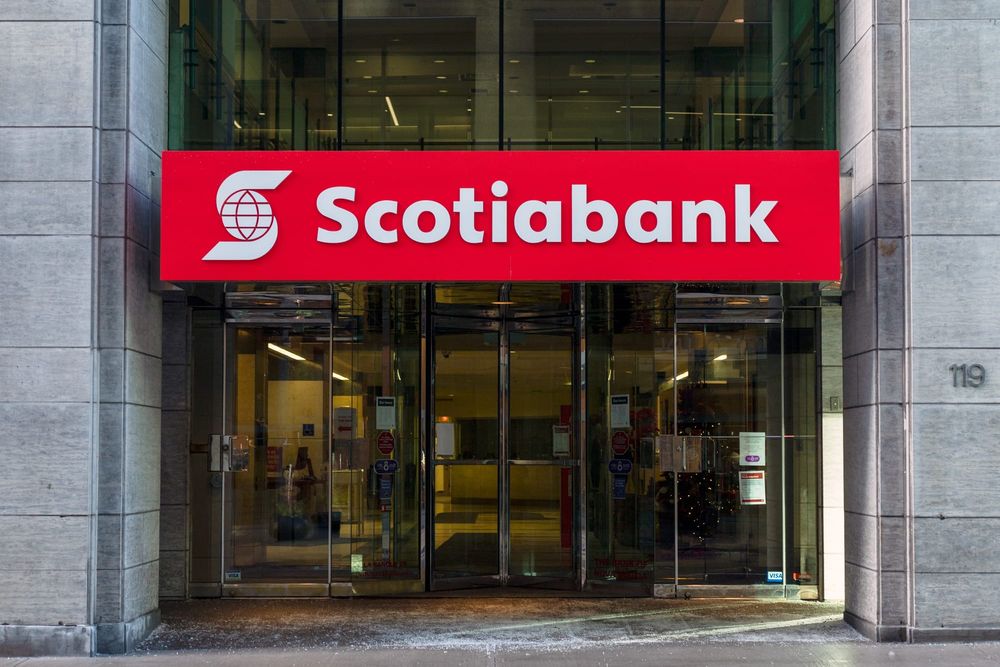
Scotiabank has agreed to acquire Maple Financial Holdings, the parent company of Dallas-based MapleMark Bank, in a transaction designed to support the strategic growth of its Global Banking and Markets business in the United States. The Canadian lender announced the deal on Friday.
Financial terms were not disclosed. The transaction remains subject to customary closing conditions and receipt of the regulatory approvals required for a Canadian bank to complete the acquisition of a US commercial banking group.
US COMMERCIAL BANKING BOLT-ON
MapleMark Bank is a US commercial bank headquartered in Dallas, Texas, and its parent Maple Financial Holdings is the vehicle through which Scotiabank will take control. The target is a smaller, regionally focused institution rather than a large diversified bank, positioning the transaction as a bolt-on to Scotiabank's US business.
Scotiabank, formally the Bank of Nova Scotia and listed on both the New York and Toronto stock exchanges, has been outlining a strategy to deepen its presence in the United States as part of its broader North American ambitions. Acquiring a US-licensed bank provides infrastructure and a client base that can be leveraged by the group's wholesale businesses.
The Global Banking and Markets business, into which the acquisition will feed, houses Scotiabank's corporate and investment banking activities, including lending, capital markets and transaction banking services for larger corporate clients across the Americas.
SUBJECT TO REGULATORY APPROVALS
The acquisition is subject to customary closing conditions and to the receipt of regulatory approvals in both Canada and the United States. Cross-border transactions involving a Canadian bank taking control of a US commercial bank require sign-off from federal banking regulators, and the timeline for completion will depend on that review.
Scotiabank did not disclose a specific target closing date in the announcement, in keeping with common practice for transactions of this type where regulatory processes drive the schedule. Both banks will continue to operate independently until the deal closes. The customary closing conditions attached to the transaction typically cover matters such as regulatory sign-off, absence of material adverse change and confirmation of the target's financial position at completion.
Scotiabank framed the transaction as a strategic step to support the growth of its Global Banking and Markets business in the US, rather than as a move to build a broad domestic retail franchise. The focus on wholesale activity mirrors the model used by other Canadian banks that have pursued US expansion through targeted acquisitions.
For MapleMark, the deal provides access to the balance sheet, product range and international network of a major Canadian bank, extending the reach of its Dallas-based commercial banking platform. The combined offering will be positioned to serve a broader set of corporate clients in the US market.
Scotiabank will provide further detail on the strategic and financial rationale for the transaction as it progresses through the regulatory process and towards closing. By keeping Maple Financial Holdings and its MapleMark Bank subsidiary aligned with the Global Banking and Markets business rather than folding them into a domestic Canadian franchise, Scotiabank is positioning the acquisition as a targeted US wholesale banking bolt-on rather than a bid for scale in US retail banking.