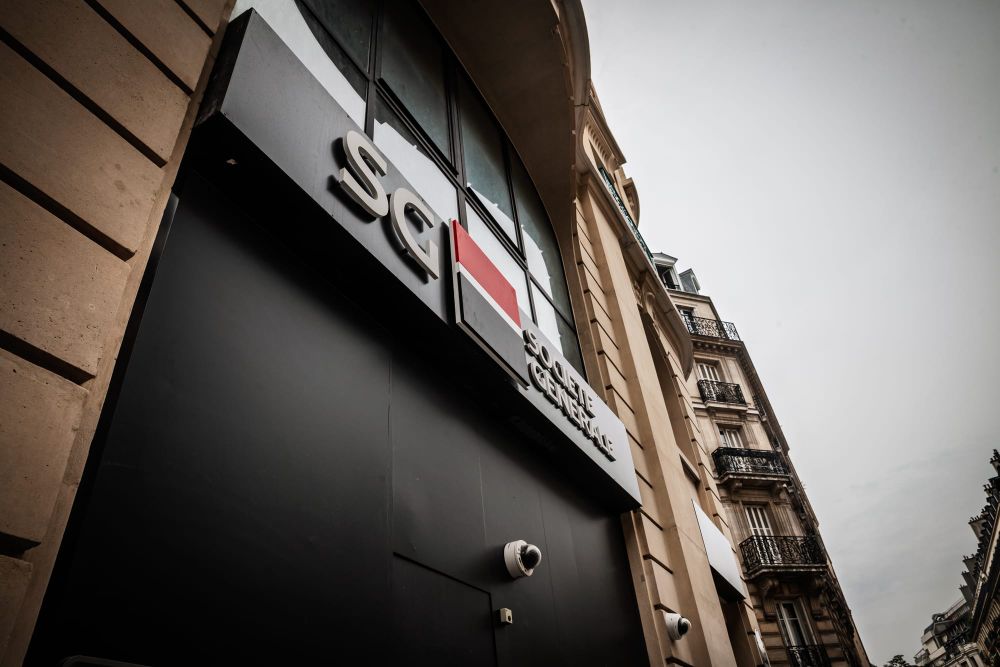
Societe Generale has completed the divestment of its Guinean banking subsidiary, the French lender confirmed, marking another milestone in a broad restructuring of its African footprint that has accelerated throughout 2025. The transaction, finalised at approximately mid-year, reduces the group's total African assets from EUR 19.1 billion to EUR 17.35 billion as multiple disposals reach completion in quick succession across West and Central Africa.
The Guinea exit sits alongside a cluster of other African divestments that Societe Generale has been working through in parallel. Subsidiary sales in Burkina Faso have also reached completion, while transactions covering Mauritania and Equatorial Guinea are among those progressing under the same strategic review. The pace of activity reflects a deliberate effort by the Paris-headquartered group to concentrate resources on markets where it sees stronger long-term returns and where the regulatory and operational environment is more closely aligned with its core European and global banking activities.
BALANCE SHEET IMPACT BECOMES CLEAR
The accounting effect of the disposals is becoming visible across Societe Generale's balance sheet. Assets previously classified as 'held for sale' fell dramatically in the 2025 accounts as transactions concluded and the corresponding subsidiaries were deconsolidated. The reduction in African exposure from EUR 19.1 billion to EUR 17.35 billion represents a meaningful contraction in the group's emerging-market footprint, though the bank has been careful to frame the move as a reallocation of capital rather than an outright retreat from the continent as a whole.
In Ghana, the exit process has advanced but remains partially finalised. The Ghanaian operation has been subject to IAS 29 hyperinflation accounting under the designation applied up to September 2025, adding a layer of complexity to the valuation and deconsolidation process. Analysts have noted that hyperinflation adjustments can inflate reported asset values on African subsidiaries, meaning the underlying commercial reduction in exposure may be somewhat larger than the headline balance-sheet figures suggest when adjusted on a real-value basis.
STRATEGIC LOGIC BEHIND THE PULLBACK
Societe Generale's decision to pare back its African banking network follows a period in which several European lenders have reassessed the risk-adjusted returns available from sub-Saharan retail and commercial banking operations. Elevated currency risk, regulatory complexity, and the capital demands of maintaining branch networks across multiple markets have each contributed to the calculus. The bank had operated in a number of West and Central African countries through subsidiary structures that require locally held capital buffers under host-country banking regulations, tying up equity that group management believes can be deployed more productively elsewhere.
The sales do not necessarily mean Societe Generale will have no commercial presence in the markets it is exiting. In several cases the group has sought to retain corporate and investment banking relationships or correspondent banking links even after divesting retail operations. The completion of the Guinea transaction follows a pattern established with earlier exits in other regions, where the group has tended to identify local or regional buyers able to absorb the retail deposit base and branch infrastructure. The bank has not publicly disclosed the identity of the Guinea acquirer or the financial terms of the transaction, in line with confidentiality arrangements that typically accompany bank subsidiary disposals in frontier markets.