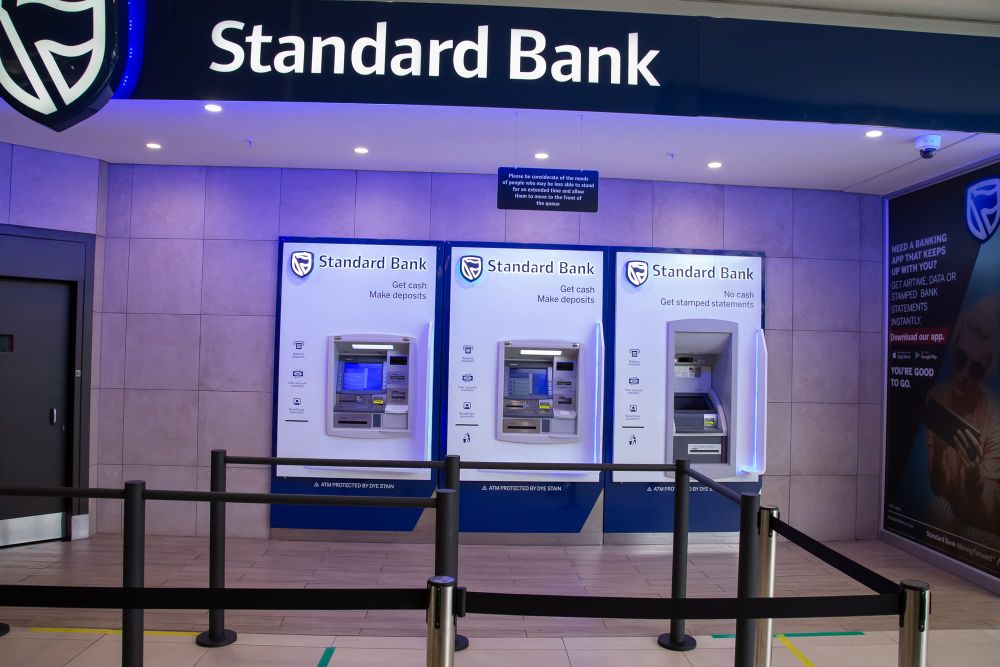
South African companies including Standard Bank, MTN and Gold Fields faced intensified political pressure as anti-immigrant protests spread across parts of Africa, forcing the firms to manage reputational damage and operational risk.
PROTESTS AND CORPORATE RESPONSES
Anti-immigrant demonstrations in South Africa and spillover tensions elsewhere on the continent put several high-profile companies under scrutiny, with banks and other large employers drawn into public debates over employment practices, local communities and corporate social responsibility. In this environment, financial institutions such as Standard Bank and multinational companies including MTN and Gold Fields contended with intensified scrutiny from customers, employees and political actors.
Companies facing public anger engaged in a range of responses, from public statements to operational precautions designed to protect staff and assets. For banks, measures to reassure retail and corporate clients tended to focus on continuity of services and the safety of branch networks. For non-bank corporates, priorities included safeguarding operations, supply chains and the wellbeing of local workforces.
MARKET IMPLICATIONS AND REGULATORY CONTEXT
The immediate market implications for banking groups and other listed firms included heightened reputational risk and the prospect of increased stakeholder scrutiny. Investors and customers frequently assess exposure to social unrest when judging corporate governance and resilience. In the short term, firms faced increased demands for transparency around hiring practices, community engagement and risk mitigation plans.
Regulators and policymakers were observed to monitor the situation, given the potential for social unrest to affect financial stability and the broader economy. Banks operating in affected areas typically coordinated with law enforcement and regulatory authorities to ensure continuity of essential services. At the same time, firms reviewed their engagement strategies with affected communities to reduce the likelihood of recurring incidents.
Analysts and market participants noted that while isolated protests do not necessarily alter the long-term fundamentals of a bank or corporate, recurrent social and political tensions can weigh on investor confidence and raise the cost of doing business. For banks with extensive retail footprints, the ability to maintain branch operations and electronic payment channels becomes critical during periods of civil disruption. For multi-national corporations, reputational issues in one country can influence stakeholder perceptions across the region.
Companies also considered operational contingencies. Those with significant local employment footprints tended to emphasise staff safety and dialogue with community leaders, while firms with cross-border operations reviewed supply chain resilience and logistics arrangements. The measures taken ranged from temporary closures and enhanced security protocols to public relations campaigns aimed at rebuilding trust.
Legal and compliance teams within affected firms faced elevated workloads as incidents triggered inquiries, customer complaints and calls for enhanced due diligence. For banks, anti-money laundering and customer verification processes remained priorities, alongside efforts to ensure transaction continuity. Corporate governance specialists pointed to the importance of clear crisis-management frameworks to respond rapidly to localised unrest.
Observers said that the episode underscored broader vulnerabilities linked to social fragmentation and economic stresses in parts of the region. For the corporate sector, the episode reinforced the need to integrate political risk into strategic planning and investor communications. Companies with established community investment programmes and proactive stakeholder engagement strategies appeared better positioned to weather reputational shocks.
Longer-term effects will depend on whether protests subside or recur, and on how companies and regulators respond to underlying grievances. Banks and other firms said they would continue to monitor the situation and adjust policies as needed to protect employees, customers and business continuity, while seeking to restore public confidence.
Sources: Moneyweb SA