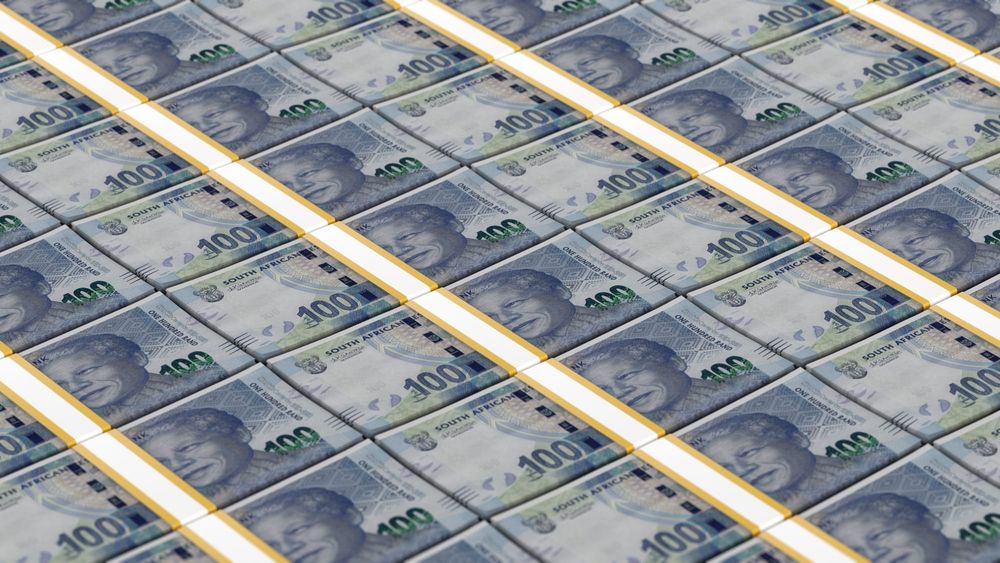
The South African rand slid after the World Bank cut its 2026 GDP growth forecast for South Africa, a downgrade that weighed on market sentiment and intensified scrutiny of the country’s short term economic prospects.
MARKET REACTION
Currency traders and portfolio managers reacted swiftly to the World Bank announcement, treating the growth downgrade as a signal of weaker-than-expected economic momentum. The downgrade unsettled investors already attentive to emerging market risk, and demand for the rand eased as sellers adjusted positions on concerns about growth, external balances and risk appetite.
Market participants assessed the move as significant because international institution forecasts often shape investor expectations about credit risk and returns. The downgrade arrived alongside existing anxieties over domestic structural constraints and the pace of investment, amplifying sensitivity to additional negative news on the growth outlook.
Although the update focused on the 2026 outlook, investors typically view multi-year forecasts as a barometer for future corporate earnings, government revenues and external financing needs. The World Bank's assessment therefore had an immediate market effect as traders recalibrated risk premia and portfolio allocations that include South African assets.
IMPLICATIONS FOR POLICY AND OUTLOOK
Analysts said the growth downgrade had wider implications for economic policy and investor confidence. A softer GDP outlook can constrain fiscal flexibility by reducing expected revenue, and that can in turn shape market perceptions about sovereign financing and debt sustainability. Those perceptions influence borrowing costs and may affect foreign investor willingness to hold local assets over longer horizons.
The downgrade also intersected with ongoing debates about the domestic policy response to weak growth, including the balance between supporting activity and maintaining macroeconomic stability. Central bank and fiscal authorities generally face a trade off when growth slows, and changes in official and market forecasts tend to factor into deliberations about interest rate settings, exchange rate management and fiscal planning.
Beyond immediate market moves, the World Bank revision added to a stream of external assessments that market participants watch for signals on structural performance and reform progress. Such institutional forecasts feed into investor risk models and ratings assessments, shaping capital flows that are particularly important for emerging market currencies and sovereign debt.
For corporate borrowers and multinational firms operating in South Africa, a downgraded growth forecast can complicate planning for investment, capital expenditure and hiring. Weaker growth expectations generally temper revenue projections and may prompt firms to reassess expansion plans, with knock on effects for employment and domestic demand.
Policy makers and market watchers will monitor subsequent data releases and commentary from international institutions for confirmation of the World Bank’s assessment. Episodes of downgraded growth forecasts often spur close attention to incoming economic indicators, including activity metrics, trade data and fiscal outturns, as investors seek evidence that the revision reflects a persistent trend rather than a temporary setback.
While the World Bank announcement captured immediate market attention, the longer term outlook for the rand and for South African growth will hinge on a mix of domestic policy choices, external conditions and the pace of reforms to address structural constraints. Investors will be looking for signals that policy makers can restore confidence and support sustainable expansion.
Sources: MarketForces Africa