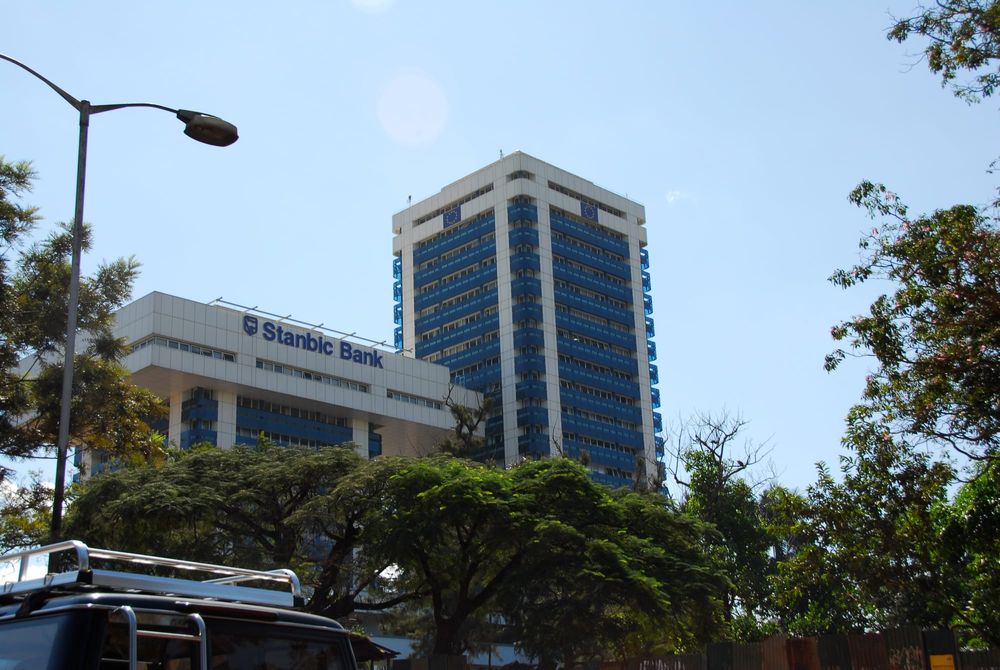
Stanbic Bank weighed a greenfield entry into Ethiopia, opting to consider a direct-build strategy as an alternative to acquiring existing local banks in response to limits on foreign ownership and protracted approval processes.
BACKGROUND
The move by Stanbic, reported by Addis Standard, reflected a broader challenge for foreign banks seeking rapid scale in Ethiopia's financial sector. Restrictions on foreign stakes in local banks have constrained traditional acquisition routes, and potential buyers have faced lengthy regulatory reviews in recent years.
Faced with those constraints, Stanbic's evaluation of a greenfield investment implied a recalibration of market entry tactics. A greenfield strategy requires establishing operations from the ground up rather than purchasing an existing franchise. The approach often avoids immediate ownership limits attached to local institutions, but it carries its own set of operational and regulatory steps.
Greenfield entry has been a common alternative for financiers when acquisition paths stall, and Stanbic's consideration signalled that such options remain on the table for large foreign banks active in Africa. The report did not indicate that Stanbic finalised a decision or revealed a timeline for any new investment.
MARKET IMPLICATIONS
If pursued, a greenfield strategy by Stanbic could alter competitive dynamics in Ethiopia's banking market. New branches and products would increase choice for corporate and retail customers, potentially intensifying pressure on incumbent banks. For international banking groups, a successful greenfield build would demonstrate an alternative route to market when acquisition is constrained by ownership rules.
For regulators and policymakers, the choice of foreign banks to favour greenfield entries over acquisitions may prompt review of market access frameworks, particularly if multiple institutions adopt the same path. A sustained trend could accelerate the diversification of services and bring additional capital into the sector, but it could also require regulators to adapt supervision and licensing processes to a different profile of entrants.
For investors and correspondent banks, a greenfield operation has implications for relationships and risk assessment. New entrants typically take longer to reach scale and profitability, which affects credit lines, correspondent banking ties, and the pace at which cross-border services expand. Market participants will monitor whether Stanbic or peers opt for greenfield builds as a test case for the viability of that strategy in Ethiopia.
RISKS AND NEXT STEPS
Greenfield expansion involves higher upfront costs and a longer period before operational breakeven. It also requires local recruitment, systems set up, and licensing approvals. Those steps can be time consuming and resource intensive, and they pose execution risks that differ from the integration challenges of acquisitions.
Regulatory scrutiny remains a key variable, since licensing and compliance standards for new entrants can determine how quickly a greenfield operation can open and grow. Political and economic conditions in the host country also shape market prospects, influencing customer acquisition and loan growth.
Stanbic's reported deliberations resonated beyond a single institution because they reflected the strategic choices banks face when operating in jurisdictions with ownership limits. Whether Stanbic proceeded with a greenfield application, returned to acquisition talks, or paused market entry was not specified in the report.
For competitors and international banks watching Ethiopia, the episode underscored the importance of flexible market-entry planning when regulatory or structural barriers block conventional transactions.
Sources: Addis Standard