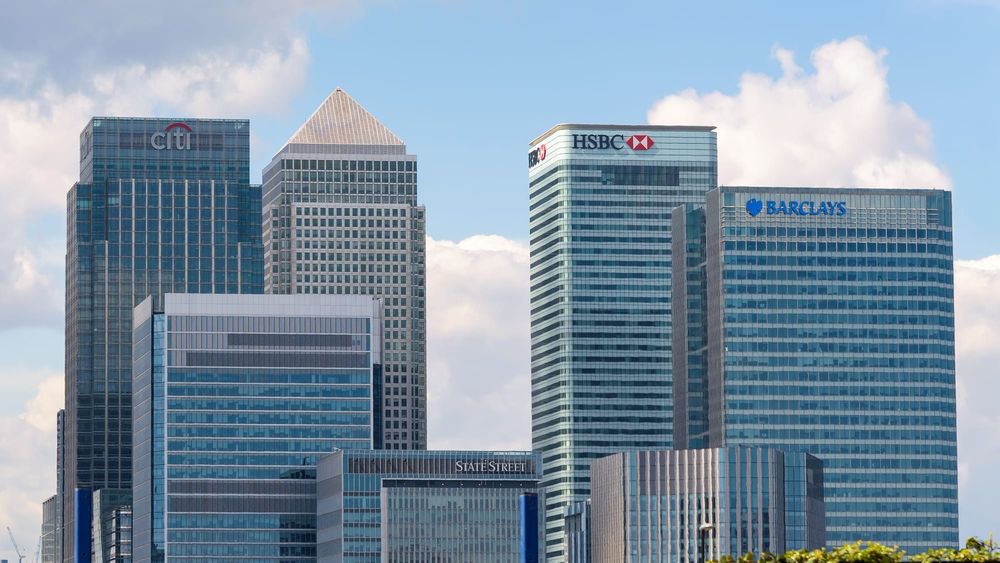
Britain's banking industry escalated its campaign against sector-specific tax increases ahead of the 28 October Budget, with trade body UK Finance writing to Chancellor of the Exchequer John Healey to argue against further levies on lenders. JPMorgan Chase chief executive Jamie Dimon was scheduled to meet Healey in London on Wednesday, according to Bloomberg, which cited a person familiar with the matter. Neither the Treasury nor JPMorgan had confirmed the substance of that meeting at the time of publication. The lobbying push comes roughly eight weeks before Healey delivers his first fiscal statement since taking over the Treasury.
The intervention follows sustained pressure from unions and campaign groups for the government to raise revenue from banks rather than from households. The Trades Union Congress has called for the banking surcharge to be lifted from its current 3 per cent to 8 per cent, the level at which it stood before it was reduced. Positive Money has separately pressed the government to tax bank profits, publishing analysis of the frequency of ministerial meetings with financial services firms. Healey has not ruled out higher taxes on banks, according to reporting on the pre-Budget positioning.
INDUSTRY MAKES ITS FISCAL CASE
UK Finance chief executive David Postings argued in his letter to the Chancellor that "the debate needs to recognise both the significant tax contribution already made and the wider economic importance of sustainable profitability." The trade body's position rests on the argument that banks are already among the most heavily taxed sectors in the United Kingdom, subject to corporation tax plus the banking surcharge and the bank levy on balance sheets. Industry representatives contend that additional charges would constrain lending capacity at a point when the government is seeking to stimulate growth.
Dimon has been among the most vocal external critics of the direction of UK bank taxation. He warned in July that a sector levy would carry adverse consequences, and said in May that JPMorgan would reconsider its investment posture in Britain if the government turned hostile toward banks. Those remarks were made in the context of the bank's planned Canary Wharf development, a project reported at around £3 billion that has not been formally committed. Dimon held an introductory call with Healey in August following the change at the Treasury.
WHAT REMAINS UNDECIDED
No decision on bank taxation has been announced. Commentary ahead of the Budget has suggested Healey may find the fiscal arithmetic difficult to resist, with Sky News business presenter Mark Kleinman writing that the Chancellor is unlikely to hold off the clamour for a bank windfall tax. That assessment reflects the scale of the shortfall the Treasury is widely expected to address rather than any confirmed policy. The specific mechanism, whether an increase to the surcharge, a windfall charge on profits, or an adjustment to the bank levy, has not been set out.
The immediate marker to watch is the Labour Party conference this month, where union pressure on bank taxation will be tested against the government's growth agenda. Beyond that, the Budget on 28 October will determine whether the sector's lobbying has succeeded. For JPMorgan specifically, the Canary Wharf decision offers a concrete signal of how the bank reads the outcome. Any Treasury readout from Wednesday's meeting, should one be issued, would be the first attributable indication of Healey's thinking.