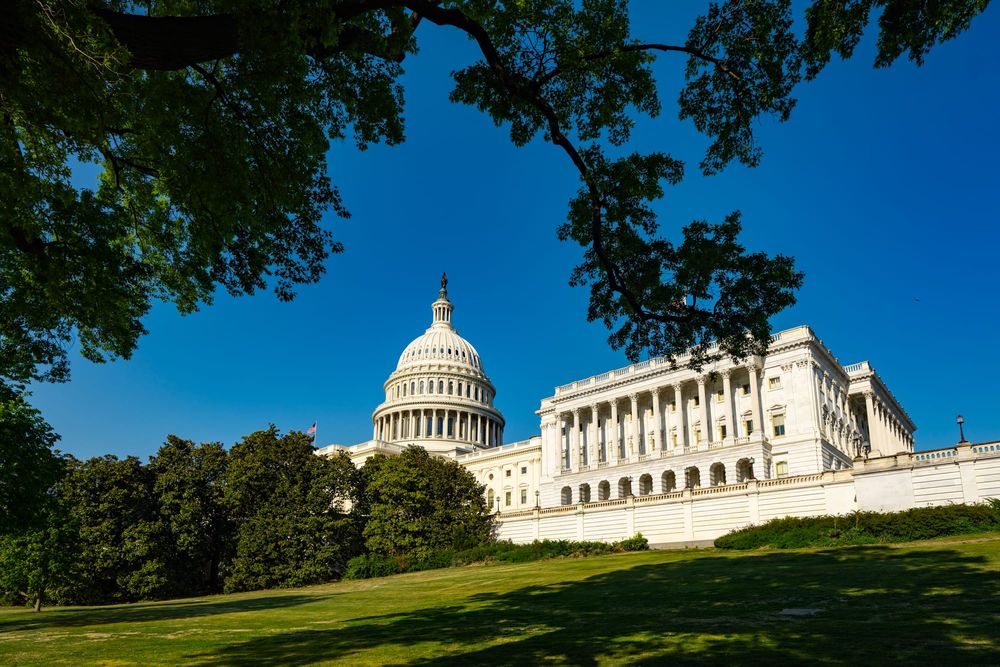
The US Senate blocked the Digital Asset Market Clarity Act from advancing on 15 September. A procedural vote failed by 49 votes to 50, according to CoinDesk. The measure required 60 votes to proceed. The result halted the bill’s immediate legislative path but did not enact a replacement regulatory framework.
The Wall Street Journal separately reported that the proposal fell 11 votes short in the procedural vote. The bill sought to establish a clearer division of responsibilities for digital-asset markets. Its failure leaves existing securities and commodities rules, together with agency action, as the immediate basis for oversight. No official roll-call number was available from the sources reviewed.
LEGISLATIVE ROUTE STALLED
The vote was a decision on whether to advance the measure, not a final vote enacting or rejecting a completed statutory regime. That distinction matters because the Senate could revisit the subject through revised text or a different legislative vehicle. The current result nevertheless prevents this version from moving forward on the required threshold.
For banks, exchanges and digital-asset businesses, the absence of new legislation preserves uncertainty about jurisdiction and compliance obligations. The reports indicated that attention would shift towards the Securities and Exchange Commission and Commodity Futures Trading Commission. Agency measures cannot be assumed to reproduce the bill’s proposed allocation of authority.
REGULATORS RETAIN THE IMMEDIATE ROLE
The vote followed continued debate over the treatment of trading venues, intermediaries and digital assets under US law. Without enacted legislation, firms remain exposed to changes through enforcement, exemptions and rulemaking. The result also increases the importance of how the two federal market regulators coordinate their approaches.
The next milestone will be any revised Senate proposal or formal regulatory action addressing the issues covered by the bill. Until a new measure is introduced or an agency completes a binding rule, the failed procedural vote should not be described as a settled long-term framework. The legislative question remains open.