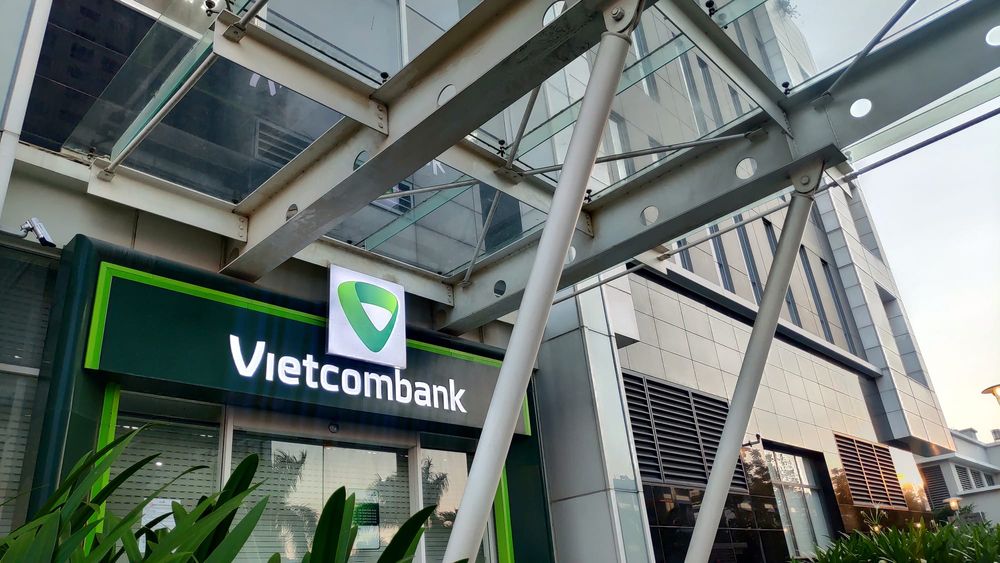
Vietnam's Vietcombank, formally the Joint Stock Commercial Bank for Foreign Trade of Vietnam, announced in February 2026 a private placement of 543.1 million shares to be offered to a maximum of 55 professional institutional investors. The offering, equivalent to up to 6.5 per cent of the bank's outstanding share capital, is designed to raise fresh equity that will strengthen Vietcombank's capital adequacy position and support the balance-sheet expansion required to serve Vietnam's rapidly growing corporate and retail lending markets. The announcement, reported by The Investor and other Vietnamese financial media, confirmed that formal approval processes for the transaction were under way.
The placement carries particular significance for the bank's existing Japanese strategic shareholder, Mizuho Bank. The Tokyo-based lender currently holds a 14.96 per cent stake in Vietcombank, a position established through a prior strategic investment that gave Mizuho meaningful exposure to one of Vietnam's two or three largest and most systemically important commercial banks. Under the terms of the new placement, Mizuho would be eligible to participate at a level sufficient to increase its holding to approximately 20 per cent, marking a potentially substantial deepening of the Japanese bank's strategic commitment to the Vietnamese financial sector.
MIZUHO STAKE INCREASE AT A PIVOTAL THRESHOLD
Should Mizuho elect to take up a sufficient allocation of the placement to reach the 20 per cent ownership level, the increase would represent a meaningful intensification of a strategic partnership that has to date been expressed through board representation, product collaboration, and support for Vietnamese corporate clients with Japan-related financing needs. Mizuho has treated its Vietcombank stake as a foundational element of its engagement with the Vietnamese market, supporting cross-border trade finance, project lending, and banking services for Japanese companies investing or manufacturing in Vietnam. A larger equity holding would reinforce that positioning and likely deepen the operational cooperation between the two institutions.
The move from 14.96 per cent to approximately 20 per cent also represents a meaningful threshold in terms of regulatory and governance classification. In many jurisdictions and under various accounting standards, ownership levels in the vicinity of 20 per cent are treated as indicative of significant influence over an investee entity, which can affect how the stake is classified and measured on the investor's balance sheet. Whether and to what extent Vietnamese banking regulations impose particular requirements on foreign investors holding at or above that level will be a factor in the structuring of any participation by Mizuho in the placement.
CAPITAL STRATEGY IN VIETNAM'S BANKING SECTOR
Vietcombank's placement is consistent with a broader pattern of equity capital-raising among Vietnamese banks seeking to maintain adequate capitalisation against the backdrop of strong loan growth and the gradual adoption of more demanding international prudential standards. Vietnam's economy has sustained a strong growth trajectory over recent years, driving substantial demand for credit across retail mortgage, infrastructure, and corporate segments, while also requiring banks to demonstrate the balance-sheet resilience demanded by regulators and international rating agencies.
Restricting the placement to a maximum of 55 professional institutional investors is consistent with Vietnamese private placement regulations for listed companies, which allow targeted capital raises on an expedited basis without the full disclosure and wide distribution obligations applicable to a public offering. The structure gives Vietcombank the ability to place shares efficiently with sophisticated investors capable of conducting in-depth credit and valuation analysis, while retaining more flexibility over pricing and timing than a public rights issue would typically allow. The transaction, once completed, would rank among the more notable capital market events in Vietnamese banking in 2026 and would further cement the country's international financial profile.