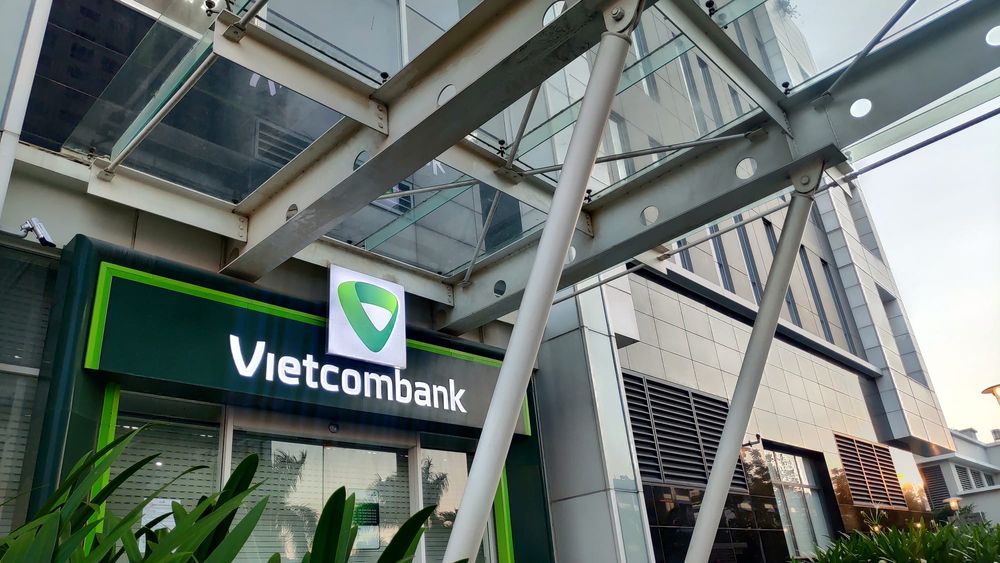
Vietcombank, one of Vietnam's largest state-owned commercial lenders, is seeking shareholder approval to establish a fully owned banking subsidiary at Vietnam's International Financial Centre, a government-backed project designed to position Ho Chi Minh City as a hub for cross-border and offshore financial services in Southeast Asia. The proposal signals ambitions that extend well beyond the bank's traditional domestic retail and corporate lending franchise.
The proposal, tabled ahead of the bank's shareholder meeting, would see Vietcombank hold a 100% stake in the new entity, which would operate within the IFC's distinct regulatory perimeter. The subsidiary would serve clients requiring offshore banking arrangements and financial products not available under Vietnam's standard onshore banking framework, opening a new revenue channel for one of the country's most prominent financial institutions.
IFC AIMS TO ATTRACT INTERNATIONAL CAPITAL
Vietnam's International Financial Centre is a state-backed initiative intended to draw international financial institutions, asset managers, and capital market participants to Ho Chi Minh City. The centre is expected to operate under a legal and regulatory framework that differs in certain respects from Vietnam's standard onshore banking rules, allowing a wider range of financial products and currency transactions to be offered to eligible participants seeking exposure to Vietnam's fast-growing economy.
For Vietcombank, establishing a presence within the IFC would create a dedicated channel to serve multinational corporations, regional treasury operations, and foreign investors seeking a Vietnamese-domiciled counterpart for offshore transactions. The bank's existing relationships with international counterparties and its dominant role in Vietnam's trade finance market make it a natural candidate to lead the domestic banking sector's engagement with the new centre.
The bank's capital base has grown substantially in recent periods. Vietcombank's charter capital reached VND 83.56 trillion following a 49.5% bonus share issuance in 2025, strengthening the balance sheet that would underpin capitalisation of any new subsidiary entity. That capital increase gives the bank considerably more financial flexibility to pursue strategic investments of this nature without straining its core regulatory capital ratios.
SHAREHOLDER VOTE TO DETERMINE NEXT STEPS
Shareholder approval is a prerequisite before Vietcombank can proceed to the regulatory licensing stage with the State Bank of Vietnam and the IFC's governing authority. The bank has not yet disclosed the proposed initial capitalisation level for the subsidiary, and the precise timeline for commencing operations will depend on the outcome of the shareholder vote and the speed of subsequent regulatory reviews and approvals.
The proposal reflects a broader trend among Vietnamese state-owned and private banks seeking to build offshore or specialised financial capabilities as the country deepens its integration with international capital markets. Several foreign lenders have already signalled interest in the IFC as a potential operating base, and Vietcombank's move would give the domestic banking sector a significant presence alongside international competitors.
If approved, the establishment of the subsidiary would mark one of the most consequential structural expansions undertaken by a Vietnamese state bank, creating a new institutional form that operates in parallel with, rather than within, the standard domestic regulatory perimeter. Observers expect that the shareholder vote and its outcome will be closely monitored by other Vietnamese banks considering similar applications.