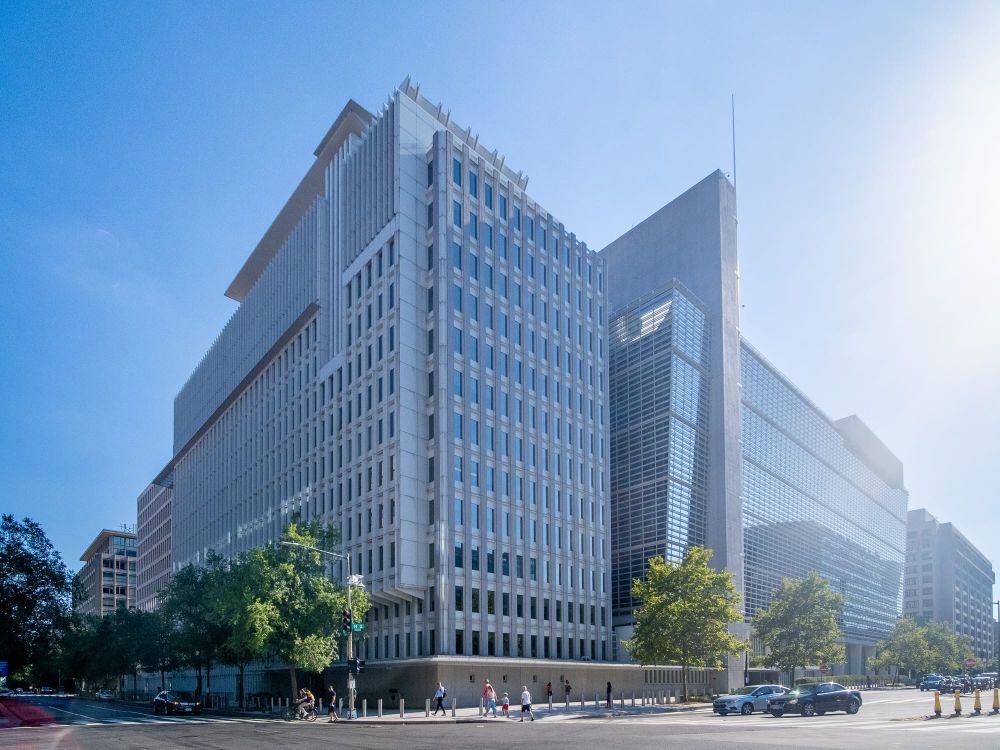
The World Bank Group backed a $1.06 billion financing package for Brazil’s industrial decarbonisation on 15 September. The package comprises a $1 billion loan from the International Bank for Reconstruction and Development and $60 million from the Clean Technology Fund. The financing will be channelled through Brazil’s national development bank, BNDES. The World Bank expects the programme to mobilise a further $1.8 billion from development and commercial sources.
The programme targets energy-intensive activities including steel, cement, chemicals, aluminium and fuels. It will also support shared low-carbon infrastructure intended to serve industrial clusters. LatinFinance separately reported the $1 billion World Bank financing through BNDES and its private-capital mobilisation objective. The support therefore combines public development funding with a stated aim of drawing additional commercial finance into projects.
FINANCING TARGETS INDUSTRIAL TRANSITION
BNDES will use the resources to finance investments that reduce emissions in sectors where changing production processes can require substantial upfront capital. The World Bank identified cleaner technologies, low-carbon fuels and shared infrastructure among the eligible areas. The Clean Technology Fund component adds concessional finance to the larger IBRD loan.
The structure places BNDES between the multilateral lenders and Brazilian projects. That gives the development bank responsibility for deploying the funds within the agreed programme framework. The expected $1.8 billion mobilisation is a forward-looking estimate rather than financing already committed.
IMPLEMENTATION WILL TEST MOBILISATION TARGET
The programme adds a material financing channel for industrial transition in Brazil, where emissions-intensive companies face long investment cycles and substantial technology costs. Its significance will depend on the projects selected and the extent to which private lenders and investors participate alongside the public funds. The World Bank’s estimate provides a benchmark for that participation.
The next milestones will be BNDES disclosures on eligible transactions, sector allocation and the first financing commitments. Those details will show how the $1.06 billion package is distributed and whether additional capital approaches the $1.8 billion mobilisation target. Until then, the mobilisation figure should be treated as an expected outcome.