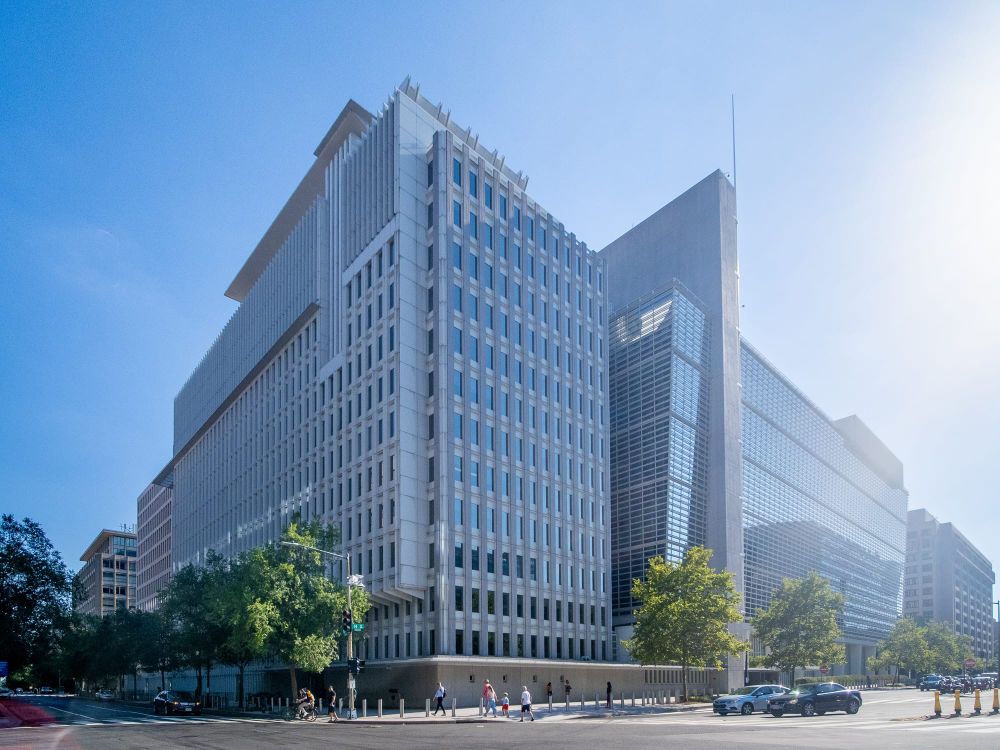
The World Bank warned that two thirds of global economies had experienced economic fallout from the Iran war, and it projected the world economy to expand 2.5% in 2026, underscoring how geopolitical conflict translated into slower and more uneven growth.
The bank framed the conflict as a shock that had broad transmission channels across trade, energy markets, and investor sentiment. Its statement identified a wide set of economies as vulnerable to these spillovers, including many low income and emerging market countries that had limited fiscal and monetary headroom to absorb external shocks.
IMPACT CHANNELS
Analysts at the World Bank attributed the hit to a mix of direct and indirect effects. Direct effects included disruptions to trade routes and possible interruptions to commodity flows, while indirect effects involved financial market volatility and tighter global financial conditions that raised borrowing costs and weighed on investment in exposed economies.
The bank highlighted that these channels operated differently across countries. Commodity importers faced immediate pressures on import bills and inflation, while commodity exporters encountered volatile revenues that complicated budgeting and external accounts. In both cases, smaller policy buffers increased the risk that the initial shock translated into larger macroeconomic strains.
IMPLICATIONS FOR AFRICAN ECONOMIES
For many African countries the World Bank assessment carried particular salience. Several economies on the continent relied on commodity exports or tourism revenues that were sensitive to global disruptions. Others depended on remittances and external financing that tended to compress when investor risk appetite fell.
In that environment, the bank warned that policymakers would face trade offs between stabilising prices and supporting growth. Countries with limited monetary space risked higher inflation if exchange rates depreciated and import costs rose. Governments with constrained fiscal positions faced a choice between preserving debt sustainability and providing targeted support to vulnerable households and firms.
International financial conditions were also relevant. Tighter financing availability in global markets tended to raise borrowing costs for sovereigns and corporates, making it harder for some African issuers to roll maturing debt or to secure affordable long term financing for public investment. The bank pointed to increased vulnerability where foreign exchange reserves were thin or where external debt burdens were high relative to fiscal capacity.
Beyond macroeconomic metrics, the World Bank commentary underscored the potential for slower growth in trade dependent sectors. Transport, logistics, and tourism sectors could see prolonged weakness if the conflict constrained travel or raised freight costs. For policymakers focused on recovery and job creation, those effects complicated near term growth strategies.
The bank’s overall growth projection for 2026 was presented as a baseline reflecting the cumulative impact of the shock and the expected response of the global economy. The projection implied a period of modest expansion while risks from renewed geopolitical tensions and financial spillovers remained elevated, leaving a wide distribution of outcomes across countries.
Market participants and sovereign borrowers were expected to monitor credit conditions and foreign exchange dynamics closely. The World Bank assessment acted as a reminder that geopolitical shocks could rapidly alter the outlook for sovereign balance sheets and for private sector creditworthiness in vulnerable economies.
Sources: Moneyweb SA