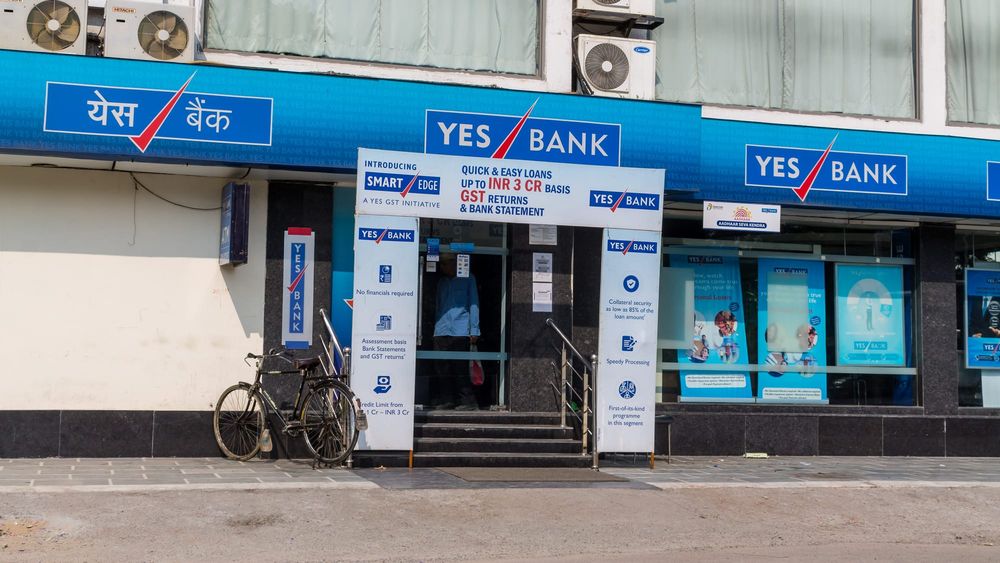
Yes Bank, the private-sector lender, raised interest rates on foreign currency non-resident deposits as part of a push to attract overseas remittances and non-resident Indian deposits, a bank spokesperson said.
DETAILS OF THE RATE HIKE
The bank offered 7% on three-year FCNR(B) deposits, 7.05% on four-year deposits and 7.10% on five-year deposits, according to the spokesperson. The move targeted FCNR(B) accounts, which are fixed-term deposits denominated in foreign currencies and held by non-resident Indians and persons of Indian origin. The changes were presented by the bank as an effort to draw non-resident inflows into its books.
Yes Bank described the rate adjustments in terms of tenure-specific pricing, positioning longer maturities at incrementally higher yields. The bank did not provide additional details on the timing of the rate change beyond the announcement, or on any conditionality attached to the offers.
MARKET CONTEXT AND IMPLICATIONS
FCNR(B) deposits are a common tool for Indian banks to access foreign currency liquidity and to capture remittance flows from diaspora communities. By increasing yields on multi-year FCNR(B) tenors, Yes Bank sought to make its foreign currency savings proposition more competitive versus peers and other investment channels for non-resident depositors.
The adjustment came against a backdrop of banks across the region actively managing deposit pricing to balance currency liquidity, foreign inflows and domestic funding costs. Higher deposit rates for non-resident holders can help banks build a stable source of foreign currency funding, which can be used to meet external obligations or to support trade and corporate lending in foreign currencies. The bank framed the move as an instrument to attract outward remittances into domestic banking channels.
For non-resident depositors, FCNR(B) accounts provide a way to park foreign currency deposits without exposure to rupee exchange risk, as the principal and interest are both payable in designated foreign currencies. Banks typically price these products to reflect global and domestic interest rate conditions, competitive dynamics among lenders and the need to secure term funding in foreign exchange.
From a market perspective, the impact of a single-bank rate move depends on scale and follow-through by other institutions. If competing lenders match or exceed the adjusted rates, the effort to capture inflows can intensify competition for non-resident deposits. Conversely, if the adjustment is isolated to Yes Bank, it may shift a portion of deposit flows toward the lender without materially altering system-wide foreign currency liquidity.
Such rate decisions can also interlink with broader currency market considerations. Attracting foreign currency deposits can relieve pressure on a bank's external funding requirements, but large-scale shifts in deposits across banks, or between onshore and offshore venues, can feed into capital flows that affect currency pressures at a market level. Banks make these pricing decisions while monitoring central bank guidance and regulatory limits on external liabilities.
Yes Bank's announcement did not disclose the expected size of incremental inflows or specify the currencies in which the FCNR(B) products would be offered. The bank also did not attach any promotional period or cap on intake in the statement cited by the spokesperson. Observers typically track subsequent deposit campaign activity, advertising and product literature to assess whether the rate change represented a targeted retail push, a broader wholesale strategy, or a response to competitive moves.
Industry participants said product-level rate changes like those announced by Yes Bank can be an early signal of lenders adjusting to shifts in remittance patterns or to changes in cross-border liquidity needs. For banks, the trade-off in raising foreign-currency deposit rates includes higher funding costs versus the benefit of securing longer-tenor, stable foreign exchange balances.
Sources: The Hindu Business Line Banking