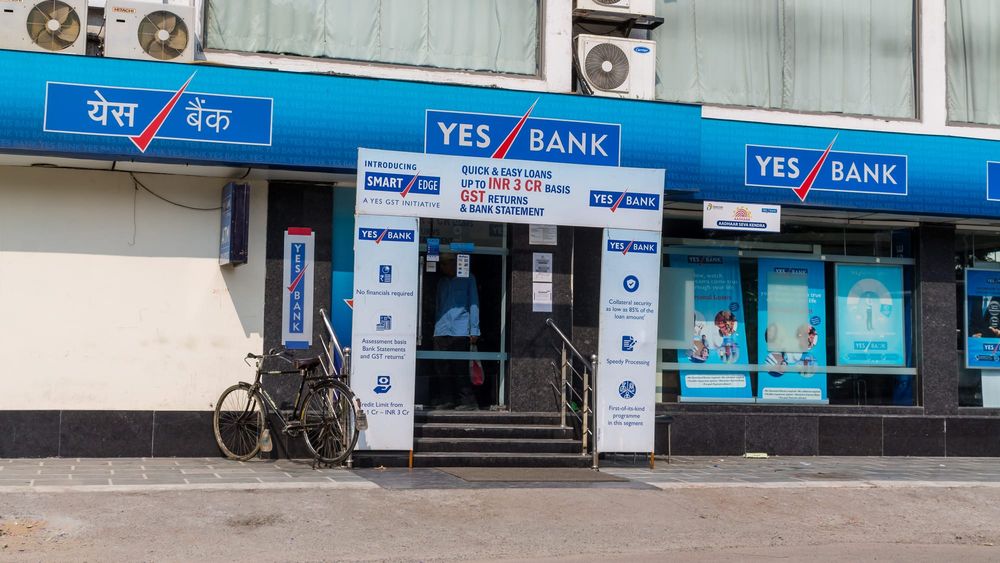
Vinay Muralidhar Tonse assumed charge as Managing Director and Chief Executive Officer of Yes Bank on 6 April 2026, stepping into the role immediately following the conclusion of his predecessor's tenure the previous day. The appointment, approved by the Reserve Bank of India, covers a defined three-year term running until 5 April 2029, providing the private-sector lender with a clearly established leadership horizon as it continues its recovery and growth strategy in one of the world's fastest-expanding banking markets.
Tonse succeeds Prashant Kumar, whose own term as MD and CEO formally concluded on 5 April 2026. Kumar had been central to steering Yes Bank through the difficult years that followed its 2020 reconstruction, when the Reserve Bank of India and a consortium of Indian and international financial institutions intervened to stabilise the bank after it encountered severe financial distress that threatened its ability to continue operating. The orderly handover to Tonse, effective 6 April, represents the next chapter in Yes Bank's institutional evolution under stable and experienced new leadership.
AN SBI VETERAN BRINGS INSTITUTIONAL DEPTH TO YES BANK
Tonse comes to Yes Bank with a career grounded in State Bank of India, India's largest and most systemically significant public sector lender. A background at SBI provides exposure to large-scale retail and corporate credit operations, treasury and balance sheet management, branch network leadership and the complex regulatory environment that governs banking in India. Those attributes are directly relevant to the task of leading Yes Bank through the next phase of its development, which involves rebuilding market share in corporate and retail banking segments while maintaining the credit quality and capital discipline that regulators and investors expect.
The Reserve Bank of India's approval of Tonse's appointment reflects the central bank's statutory responsibility for vetting the fitness and propriety of chief executives at Indian private sector banks before they take up their roles. RBI clearance is a regulatory prerequisite for such appointments and its grant in this case confirms that the regulator has assessed Tonse's credentials, professional record and suitability for the position and found them satisfactory. The RBI's active oversight of bank leadership appointments reflects the regulator's broader focus on governance standards at private sector institutions.
YES BANK'S LEADERSHIP TRANSITION AFTER RECONSTRUCTION
Yes Bank's trajectory since its 2020 reconstruction has involved a sustained programme of rebuilding its franchise across retail and corporate banking, restoring depositor confidence, resolving legacy asset quality issues and re-engaging corporate clients whose relationships were disrupted during the period of acute stress. Prashant Kumar's leadership was instrumental in navigating that recovery, and the smooth management of the succession to Tonse on 6 April is consistent with the bank's efforts to project institutional stability and normalcy to its diverse stakeholder groups, which include retail depositors, corporate borrowers, institutional investors and regulators.
Tonse's three-year mandate takes Yes Bank through to April 2029, a period during which the bank will be focused on growing its loan portfolio, strengthening its deposit franchise, investing in digital and technology capabilities and competing for market share within an Indian banking sector experiencing rapid growth alongside the broader economy. The clarity of a fixed-term mandate, endorsed by both the board and the RBI, provides management, employees and investors with the stable leadership foundation necessary to execute those strategic objectives with confidence.