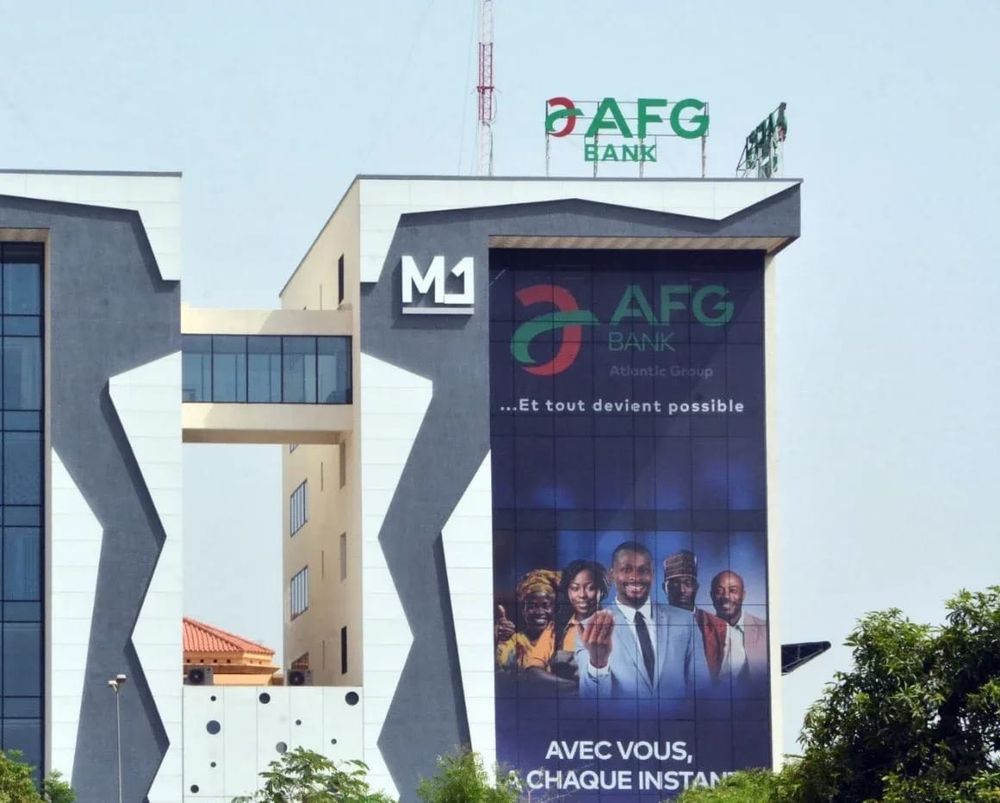
AFG Holding has moved to acquire a majority stake in Banque de l’Habitat du Tchad through its AFG Central & East Africa unit. Shareholders approved restructuring and recapitalisation measures at an extraordinary general meeting in N’Djamena on 14 October. The measures position AFG as the bank’s majority shareholder. Completion remains subject to regulatory approval, including clearance from the Central African Banking Commission, known as COBAC.
The transaction would add Chad to AFG’s Central African banking network after Cameroon and Gabon. Financial Afrik reported that the housing bank began operating in 2017 and has struggled with a persistent shortage of capital. The Chadian state, the national social-security fund and the state hydrocarbons company currently hold its capital.
RECAPITALISATION UNDERPINS THE TRANSACTION
Sika Finance published the transaction announcement as a communiqué and said AFG Central & East Africa would become the bank’s reference shareholder. The stated plan is to strengthen capital, improve governance and revive business activity. AFG also intends to develop the institution under the AFG Bank Chad name after completion.
Independent regional reports said the amount to be invested and the resulting ownership percentages had not been disclosed. Financial Afrik said the existing bank has capital of CFA10 billion, half held by the state and the balance split equally between the social-security and hydrocarbons entities. The recapitalisation will determine how that ownership structure changes.
REGULATORY CLEARANCE WILL SET THE TIMETABLE
COBAC approval is a condition precedent, so AFG’s control is not yet final. The group’s stated priorities include financing the Chadian economy and supporting financial inclusion. The housing bank’s original mandate also places property and mortgage finance at the centre of the proposed turnaround.
The deal would extend AFG’s presence across the Central African monetary union while reducing the Chadian state’s role in banking. Its practical effect will depend on the capital injected, the final shareholding and the operating plan adopted for the lender. The next concrete milestone is COBAC clearance, followed by implementation of the recapitalisation and confirmation of the renamed bank’s strategy.