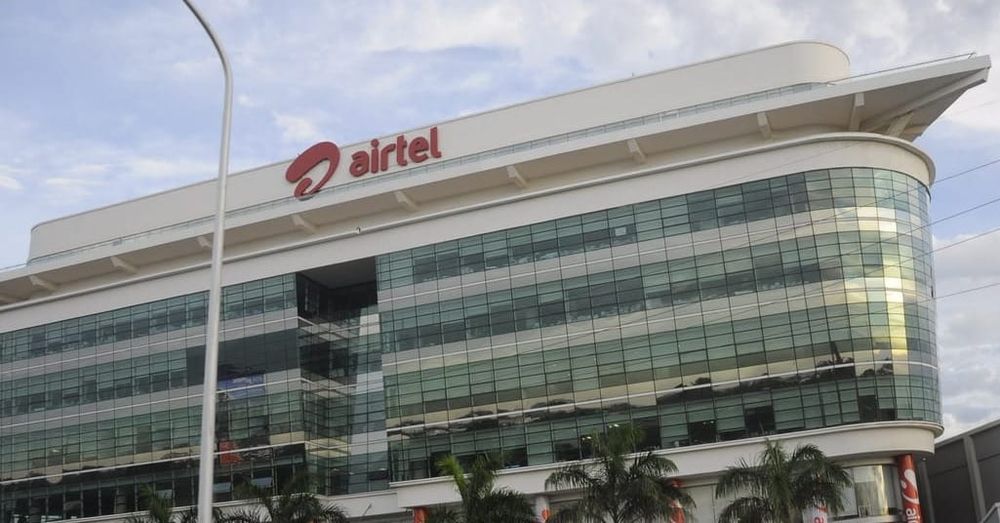
Airtel Money began conditional trading in London on 9 October under the ticker AMC. The offer priced 270 million shares at £1.96 each, giving the pan-African mobile-money company a market value of £5.3 billion. Reuters reported that the shares opened flat, rose as much as 2% and were trading at £2. Unconditional dealings and full admission to the London Stock Exchange are expected on 14 October.
The trading milestone followed the publication of final offer details by parent Airtel Africa. The flotation gives investors direct exposure to a payments business operating across multiple African markets. Conditional dealing allows certain investors to trade before admission becomes unconditional, subject to the offer's completion conditions.
LISTING SEPARATES THE PAYMENTS BUSINESS
Airtel Money provides mobile wallets, transfers and merchant-payment services across Airtel Africa's footprint. The separate listing creates a public valuation for the unit and gives it access to capital markets independently of the wider telecommunications group. Airtel Africa remains the controlling shareholder after the offer.
The £5.3 billion valuation and £1.96 offer price were established before trading began, so the new development is the start of conditional dealings. Reuters reported that the offer was heavily oversubscribed. Early market prices may change as investors assess growth, regulation and currency risks across the company's markets.
FULL ADMISSION IS THE NEXT MILESTONE
Completion remains conditional until the shares are admitted for unconditional trading. The company expects that step on 14 October, when settlement and full market access are scheduled to begin. Any change to that timetable would be material to investors and the offer process.
After admission, attention will shift to customer growth, transaction activity and the economics of the standalone business. Investors will also monitor how local payment rules and exchange-rate movements affect earnings across its African markets. The first results as a separately listed company should provide the next detailed operating benchmark.