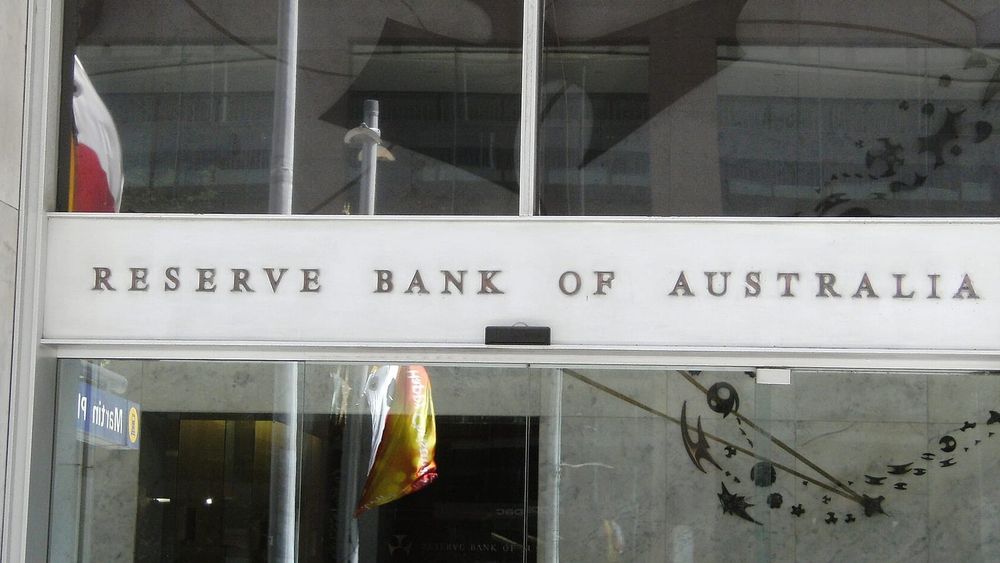
The Australian dollar climbed to a three-week high and was last up 0.4% at $0.703 after Reserve Bank of Australia Deputy Governor Andrew Hauser told a Citi conference that the inflation outlook looked "materially worse". He spoke on Wednesday.
Hauser said: "The inflation outlook looks materially worse than we projected in the August report." He indicated that coming third-quarter inflation data are likely to confirm that view. The comments come ahead of an RBA policy meeting in early November, where bond traders had cooled on the prospect of a further rise in interest rates.
OIL AND AUGUST RISKS HAVE MATERIALISED
Hauser said oil prices are about a third higher than the RBA assumed in its August projection, because of the Middle East crisis. In August, he said, the bank identified three upside inflation risks, the first being a prolonged Middle East crisis.
"By September, we judged that those three risks had crystallised," Hauser said. He added that oil was back over $100, with "no end in sight to the war".
RATE PATH AND MARKET PRICING
The RBA has raised interest rates four times this year, with the first three increases in February, March and May. Hauser said it was the first G20 central bank to raise rates in 2026. The bank did not raise rates in June or August because it wanted to take space to review the impact of its earlier decisions.
Hauser said financial markets were pricing that the RBA was unlikely to hike in November, with market pricing that morning showing only about eight basis points of tightening. He said the bank was still finalising its forecast a week and a half before the policy meeting.
HOUSING AND FUEL LEAD INFLATION
Australian Bureau of Statistics data show consumer price inflation rose to 4.0% in the 12 months to August 2026, from 3.5% in the 12 months to July. Trimmed mean inflation, a gauge of underlying trends, was unchanged at 3.6%.
Housing was the largest contributor to annual inflation in August, rising by 5.7%. Transport was second, up 5.6% because of higher automotive fuel prices.
GLOBAL CURRENCIES AND CENTRAL BANKS
The dollar index, which measures the US currency against six peers, was little changed at 101.7. It fell almost 0.3% on Tuesday and touched 101.50, its lowest since 1 October. Oil prices gained more than $2 a barrel on Wednesday after Iran said there was little reason to expect diplomatic progress with the US.
The euro slipped 0.1% to $1.122 and is down almost 1% this month. Traders remained cautious on the single currency as France faces widespread anti-government protests and a worsening fiscal outlook that has pushed its 10-year borrowing costs to 24-year highs.
UK inflation rose more than expected last month, strengthening the case for a Bank of England rate increase in November. Bank of Japan Deputy Governor Ryozo Himino said underlying inflation was close to the central bank's 2% target and financial conditions remained loose, signalling scope for higher borrowing costs.
Related: Reserve Bank of Australia keeps heightened scrutiny on ASX clearing systems