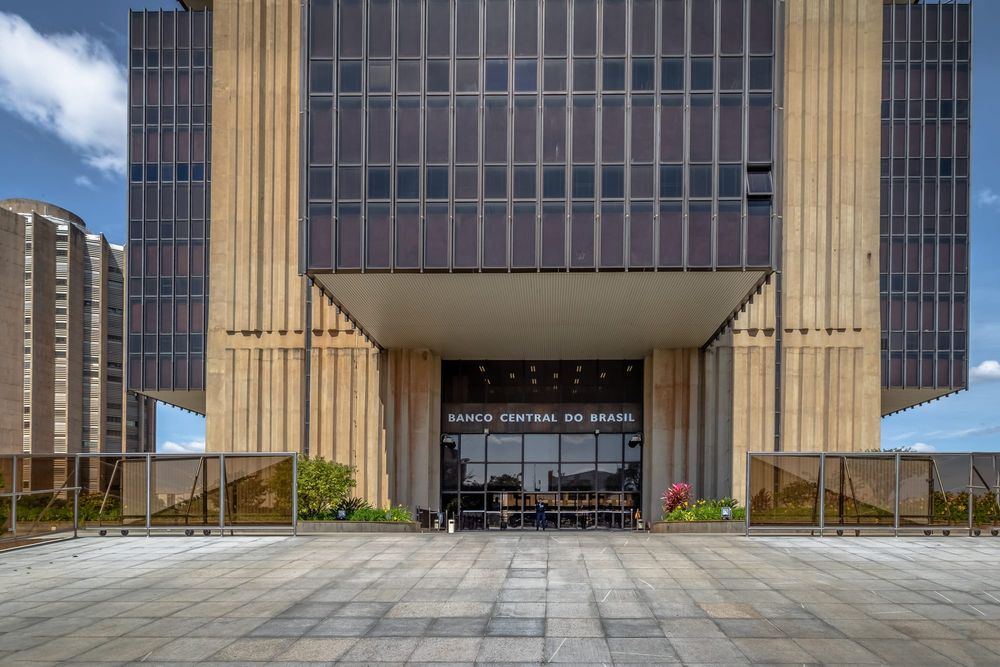
The Monetary Policy Committee of Banco Central do Brasil voted unanimously to hold the Selic rate unchanged at 15.00 per cent per annum at its November 2025 meeting, delivering a third consecutive hold following a seven-meeting tightening cycle that had progressively raised borrowing costs to bring Brazilian inflation under control. The decision was announced in a statement published on the central bank's website, which noted that the committee judged the current level of monetary restriction to be appropriate in light of the prevailing inflation outlook.
The unanimous vote across all Copom members signals the absence of internal dissent about the appropriateness of maintaining the current monetary stance, a degree of unanimity that the committee's communications have used to reinforce confidence that the board is aligned in its assessment of the conditions required before any policy adjustment would be warranted. The Selic at 15.00 per cent remains among the highest benchmark rates of any major emerging economy.
SEVEN-MEETING TIGHTENING CYCLE PRECEDES PAUSE
The three consecutive holds follow a tightening cycle spanning seven meetings, during which Copom raised the Selic from materially lower levels in a sequence of increases designed to arrest an acceleration in inflation and restore the credibility of the inflation targeting framework. The tightening was also prompted by a period of fiscal uncertainty that had placed upward pressure on inflation expectations and weakened the anchoring of longer-run price expectations to the official target.
By holding rates steady across three successive meetings, the committee is allowing the cumulative effect of the prior tightening to continue working through the economy via the standard monetary transmission channels: higher interest rates feed into more expensive credit, which constrains consumer spending and business investment, reducing aggregate demand and easing pressure on prices. The lag with which this transmission operates means that the full impact of the tightening cycle is still being absorbed by the Brazilian economy.
The domestic economy has demonstrated considerable resilience during the tightening phase, with relatively firm household consumption and government spending cushioning some of the contractionary impact of elevated real interest rates. That resilience has, in a paradoxical dynamic familiar to central bankers, reinforced the case for maintaining restrictive settings, as buoyant activity data suggests that further tightening is not needed but that premature easing could re-ignite inflationary pressure.
IPCA FORECAST DECLINING TOWARD TARGET
The Copom's forecast for the IPCA consumer price index stood at 4.6 per cent for 2025, the bank said, a level that remains above the official target centre but represents a declining trajectory compared with earlier in the year. The committee framed the path of inflation as moving in the right direction, with the pace of further convergence representing the central variable in any future decision on whether to adjust the Selic.
Brazil's inflation targeting framework has been revised to operate on a continuous basis rather than requiring convergence within a specific calendar year, providing Copom with somewhat greater flexibility in the pace of disinflation without formally breaching the target. The 4.6 per cent forecast for 2025 suggests inflation is expected to remain modestly above the centre but within a range the committee considers manageable given the trajectory already in place.
The path ahead for the Selic will hinge on whether IPCA forecasts continue their downward movement in subsequent quarters, whether fiscal policy developments alter the risk premium embedded in inflation expectations, and whether global financial conditions — including the direction of the US dollar, commodity prices, and capital flows to emerging markets — exert additional or diminished inflationary pressure on the Brazilian economy in the period ahead.