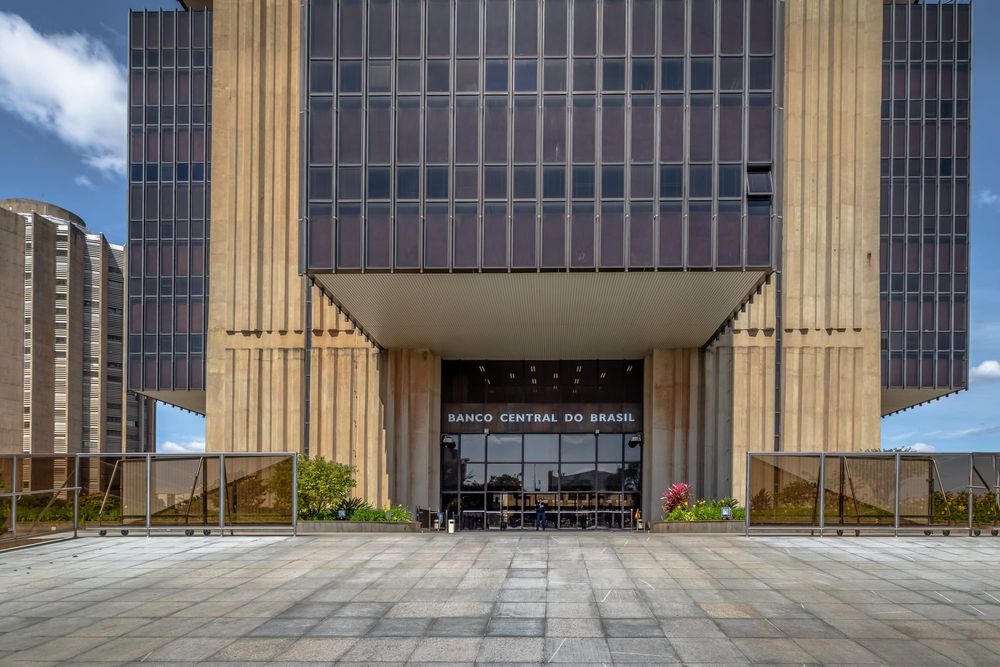
The Monetary Policy Committee of the Banco Central do Brasil, known as the Copom, voted unanimously on 10 December 2025 to hold the Selic overnight lending rate at 15.00%. The decision represents the fourth consecutive meeting at which Brazil's central bank has left its benchmark rate unchanged, according to information published in the Copom's meeting minutes. The sequence of holds reflects a deliberate stance of patience as the Committee monitors the path of inflation and fiscal developments.
At 15.00%, the Selic rate remains among the highest benchmark policy rates across the G20, a consequence of the Copom's sustained effort to return Brazilian inflation durably to target following a period of elevated price pressures. The unanimous vote signals a consistent view within the Committee that conditions do not yet warrant any adjustment to the current policy stance, either upward or downward.
INFLATION EASES BUT CAUTION PERSISTS
Brazil's official consumer price index, known as the IPCA, rose by 0.18% in November 2025, the lowest monthly reading for that particular month since 2018. The figure provided some encouragement that the disinflationary process is progressing as policymakers had hoped. Nevertheless, the Copom has stopped well short of interpreting a single below-average monthly print as sufficient grounds to begin reducing the Selic rate, reflecting the Committee's view that confidence in a durable return to target has not yet been fully established.
The Committee signalled caution in its accompanying statement and declined to offer specific forward guidance on the timing of any first rate cut. Policymakers have consistently emphasised that the inflation outlook in Brazil is subject to material risks, including the sensitivity of the exchange rate to fiscal developments and the potential for domestic demand to prove more resilient than projected. No timetable for easing was provided alongside the December decision, leaving market participants to form their own assessments.
Brazil's fiscal dynamics have attracted sustained attention from investors, with concerns about the trajectory of public debt and central government expenditure contributing to periodic volatility in the Brazilian real. A weaker currency has the potential to amplify import-price inflation and to complicate the Copom's task of bringing headline and core inflation sustainably to target, representing one of the key transmission channels connecting fiscal policy to monetary outcomes.
RATE CYCLE OUTLOOK IN FOCUS
Market economists and financial institutions remain divided on the timing of the first Selic reduction, with estimates ranging from mid-2026 to later in the year depending on assumptions about the fiscal and inflation outlook. The fourth consecutive hold reinforces the impression that the Copom is in no hurry to begin easing, preferring to accumulate more evidence of durable disinflation before initiating what is expected to be a gradual cutting cycle.
At 15.00%, the Selic rate offers Brazil's domestic fixed-income market substantial nominal returns, which has historically supported significant flows into Brazilian government securities from both local institutional investors and international participants. The interaction between the high policy rate and the government's public debt interest bill remains one of the most debated dimensions of Brazil's fiscal sustainability discussion.
The Copom's next scheduled meeting will take place in early 2026. Fresh IPCA data releases and any updates to Brazil's medium-term fiscal framework will be among the principal inputs shaping whether the Committee ultimately sees a pathway to beginning an easing cycle during the course of the coming year or chooses to maintain the current restrictive stance for longer than market consensus currently expects.