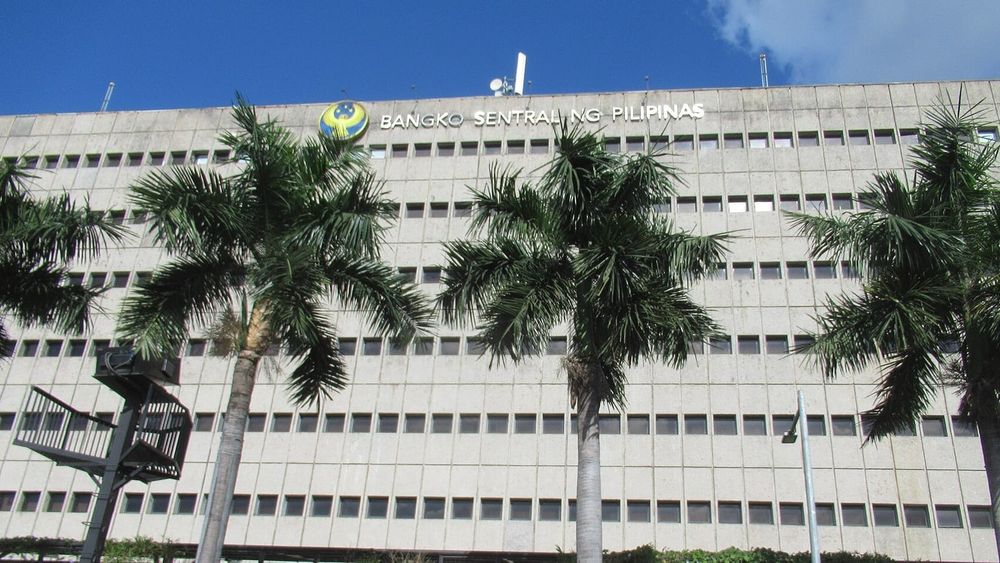
The Bangko Sentral ng Pilipinas raised its key policy rates by 50 basis points on Thursday 22 October, taking the target reverse repurchase rate to 5.5%, the overnight deposit rate to 5.0% and the overnight lending rate to 6.0%. The decision extends the central bank's tightening streak to a fourth straight meeting, as it expects inflation to remain high through 2027.
The move is the central bank's first half-point hike in nearly four years and brings total increases since April 2026 to 125 basis points. Governor Eli Remolona Jr. said a "strong majority" of the Monetary Board voted for it but did not elaborate. The new level matches the 5.50% target rate set when the board lowered it in April 2025.
INFLATION FORECASTS AND THE GOVERNOR'S WARNING
The central bank kept its 2026 inflation forecast at 6.1%, unchanged from the August meeting, but raised its 2027 forecast to 6.0% from 5.4%. In June, its central forecasts had shown average inflation of 6.4% for 2026 and 4.5% for 2027, driven by higher global oil prices from the conflict in the Middle East and a weaker peso.
Remolona warned that inflation could reach as high as 8% in 2027, and up to 9% for the bottom 30% of households. Inflation reached 7.2% in September, the same as in April 2026 and the fastest since March 2023. Core inflation, which excludes volatile food and fuel prices, accelerated to a nearly three-year high of 4.7%. Headline inflation had stood at 4.1% in March, up from 2.4% in February, on rising energy and food costs.
HALF-POINT MOVE SURPRISES THE MARKET
Only one of 25 economists surveyed by Bloomberg News had predicted the half-point increase, and 20 of the 22 analysts polled by BusinessWorld had expected a quarter-point rise. The sole correct forecaster in the Bloomberg survey, Bank of the Philippine Islands lead economist Emilio Neri Jr, said the jumbo hike reinforces the central bank's inflation-fighting credentials.
Former BSP deputy governor Diwa Guinigundo and economist Wilhelmina Manalac had called for a move of that size to keep inflation from becoming entrenched, while acknowledging the risks to an already struggling economy.
PESO WEAKNESS AND A SLOWING ECONOMY
The peso closed at a record low of P63.361 per dollar on 20 October, making imported fuel, food and raw materials costlier. It hit a record low of 63.438 per dollar on the Wednesday before the decision. The currency has fallen nearly 10% since the start of the Middle East war, which sparked a rally in oil prices.
Growth is weak. Gross domestic product slowed to a post-pandemic low of 2.3% in the second quarter, bringing first-half expansion to 2.6%, against a government target of 3.5% to 4.5% for 2026. Gross international reserves stood at $106.6 billion at the end of March, about seven months of import cover. S&P Global Ratings revised its outlook on the Philippines to stable from positive on 8 April and projects the current account deficit to widen to 4% of GDP in 2026 from 3.3% in 2025.
NEXT POLICY MEETING IN DECEMBER
The Monetary Board meets next on 17 December 2026, its final policy-setting meeting of the year. The state weather bureau PAGASA has said the record-breaking El Niño could bring less rain this October and could last until March or even June 2027.