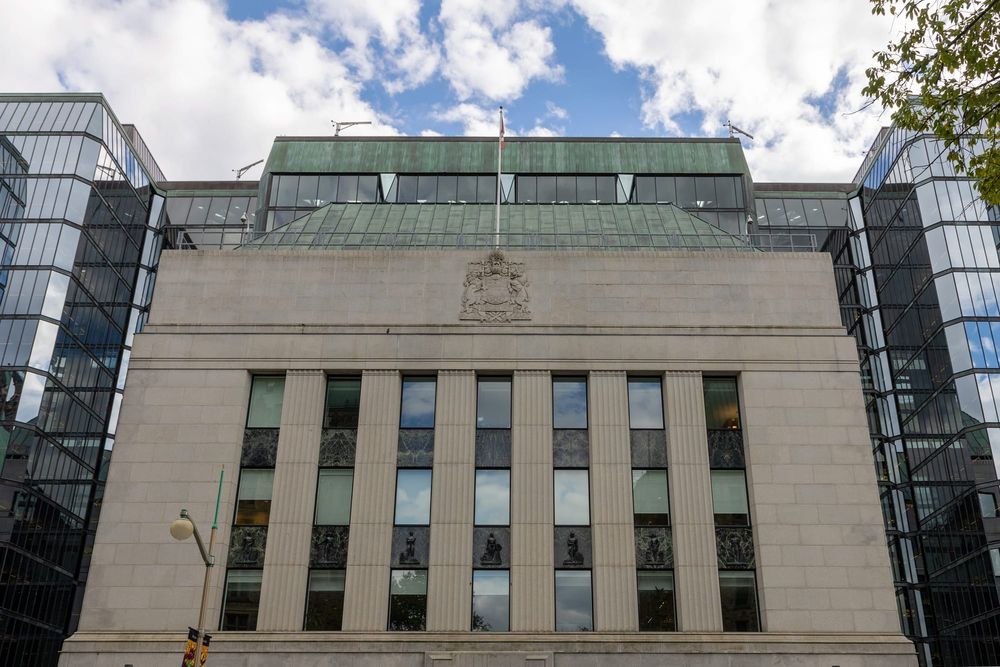
The Bank of Canada and the Office of the Superintendent of Financial Institutions said banks should regard use of the Standing Liquidity Facility as normal. They said drawing on the facility should not be interpreted as evidence that an institution is under stress. The joint statement was issued to provide clarity on the purpose and use of the facility.
The Standing Liquidity Facility provides fully secured intraday and overnight advances. It is available to direct participants in Lynx, Canada’s high-value payment system, to support orderly settlement. Use of the facility is subject to the Bank’s Rules Governing Advances to Financial Institutions. Reuters independently reported the authorities’ effort to reassure banks about normal use.
BANKS HAVE BEEN HESITANT TO DRAW
Deputy Governor Toni Gravelle said financial institutions have been hesitant to use the SLF for overnight liquidity because they worry it could send the wrong signal. He said Lynx members should feel comfortable using the SLF for unexpected end-of-day shortfalls instead of holding extra reserves just to avoid SLF draws.
The Bank and OSFI said overnight SLF draws are not considered exceptional liquidity measures, and that overnight advances are non-discretionary in Lynx: a participant short of cash at the end of the day automatically receives one.
REPO-MARKET REFORM PROVIDES THE CONTEXT
Deputy Governor Toni Gravelle linked the clarification to wider work on repo markets and monetary-policy implementation. The statement said the SLF helps reinforce the policy interest rate and supports the functioning of Lynx; Gravelle said it provides a ceiling for overnight rates.
The Bank and OSFI said they will continue to engage with Lynx participants to support a clear understanding of the facility’s role in day-to-day liquidity management.