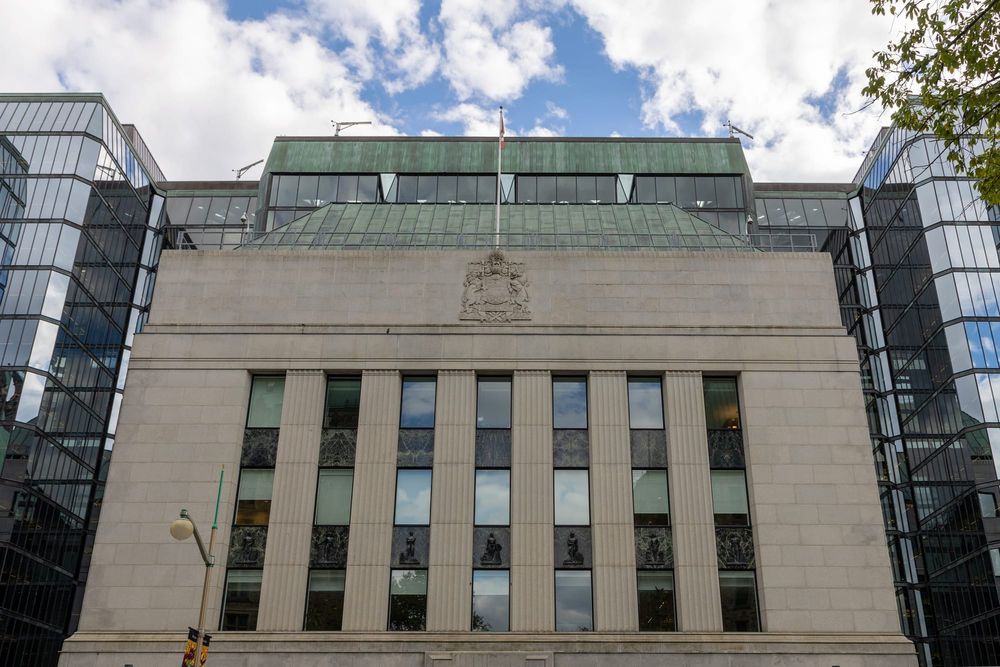
Bank of Canada surveys showed that business sentiment weakened after trade negotiations with the United States collapsed. Firms reported softer export and investment outlooks as new US tariffs and Canadian counter-tariffs raised costs and uncertainty. Household long-term inflation expectations rose to match already elevated shorter-term expectations. The central bank published both third-quarter surveys on 19 October.
The Business Outlook Survey draws on interviews conducted by the Bank's regional offices with about 100 firms selected to reflect Canada's economy. Most responses predated the trade-talk breakdown, and overall sentiment improved from the second quarter as earlier pressures eased. The Bank said firms' inflation expectations eased overall from the previous quarter but remained elevated. Responses collected after the breakdown showed some of the improvement reversing as new tariffs and higher energy prices weighed on firms. Consumers also continued to identify trade tensions and energy costs as important inflation drivers.
TARIFFS WEIGHED ON SALES AND INVESTMENT
Businesses reported weaker export prospects and more caution around investment after the trade negotiations failed. Hiring intentions remained soft, although most firms planned to keep their current workforce. Companies facing unusually large cost increases expected to continue passing part of those costs to customers.
The household survey showed expectations increasing across inflation horizons after the breakdown in Canada-US talks. Consumers remained concerned about high prices and economic uncertainty. Those views matter because persistent expectations can influence wage demands, spending decisions and the speed at which inflation returns to target.
OCTOBER DECISION WILL TEST THE SIGNALS
The surveys provide evidence on behaviour and expectations rather than a policy decision. Their mixed signals leave the Bank balancing weaker activity against risks that tariffs and energy prices keep inflation elevated. Other incoming data, including measured inflation and labour-market conditions, will also shape the assessment.
The Bank of Canada's next scheduled interest-rate decision and Monetary Policy Report are due on 28 October. Policymakers will then publish updated forecasts and explain how they weigh softer business sentiment against higher household inflation expectations. The decision remains conditional on the full set of economic and financial evidence.