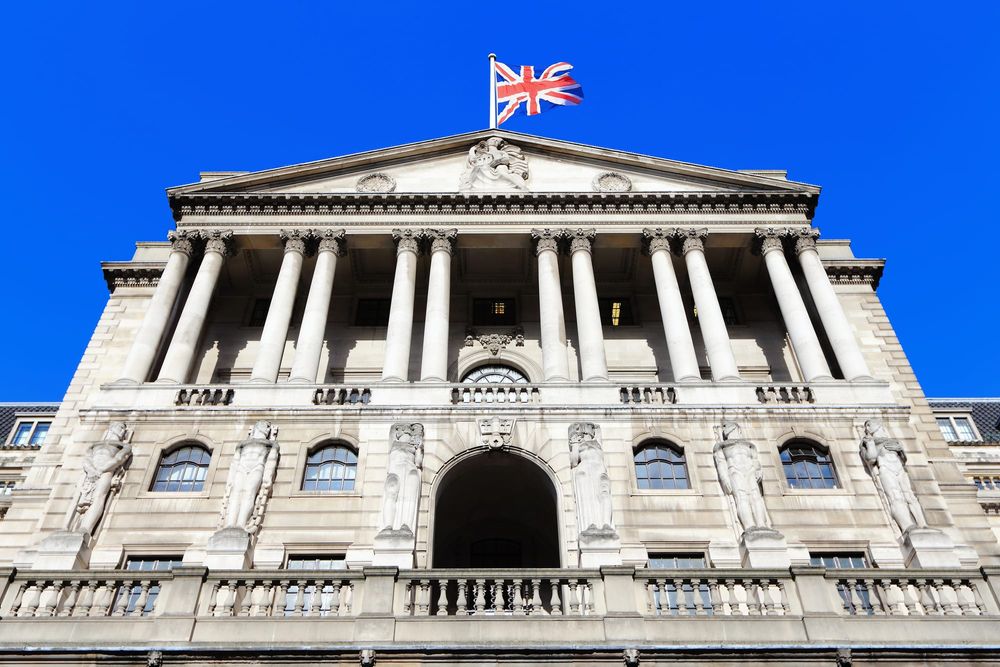
Bank of England policymaker Megan Greene said the 3.75% policy rate was not very restrictive. She argued that the resilience of the UK economy supported her case for tighter policy. Greene made the comments at an Atlantic Council event on 13 October during the IMF and World Bank meetings in Bangkok. Her view is guidance from one committee member, not a decision by the nine-member Monetary Policy Committee.
The IMF raised its forecast for UK economic growth in 2026 to 1.3%. It expected inflation to average 3.3% this year and 2.8% in 2027, according to Reuters. Greene said stronger-than-expected growth showed that the existing policy setting was not substantially restraining activity or employment. The Bank’s inflation target is 2%.
GROWTH SUPPORTED A TIGHTER STANCE
Greene has voted for a quarter-point increase to 4% at meetings since June. Her latest remarks reinforced that established position rather than announcing a new committee path. The Times reported that she viewed the economy’s resilience as evidence that rates could rise without imposing an excessive drag on jobs or growth.
Her stance contrasts with arguments that higher market borrowing costs already provide enough restraint. On 8 October, Greene warned against relying on bond yields to do the central bank’s work and said expected pay growth remained too high for a timely return to target. Those concerns place wages, demand and inflation persistence at the centre of her vote.
NOVEMBER VOTE WILL TEST SUPPORT
The Bank of England has held its policy rate at 3.75% while assessing energy-related inflation and domestic price pressure. Greene’s comments add to the public case for an increase, but other members can weigh the same data differently. Financial-market expectations are not a substitute for the committee’s decision.
The next concrete milestone is the Monetary Policy Committee meeting ending on 5 November. Its vote and minutes will show whether Greene’s argument has gained enough support for a rate increase. Until then, incoming wage, activity and inflation data could change the balance of risks considered by the committee.