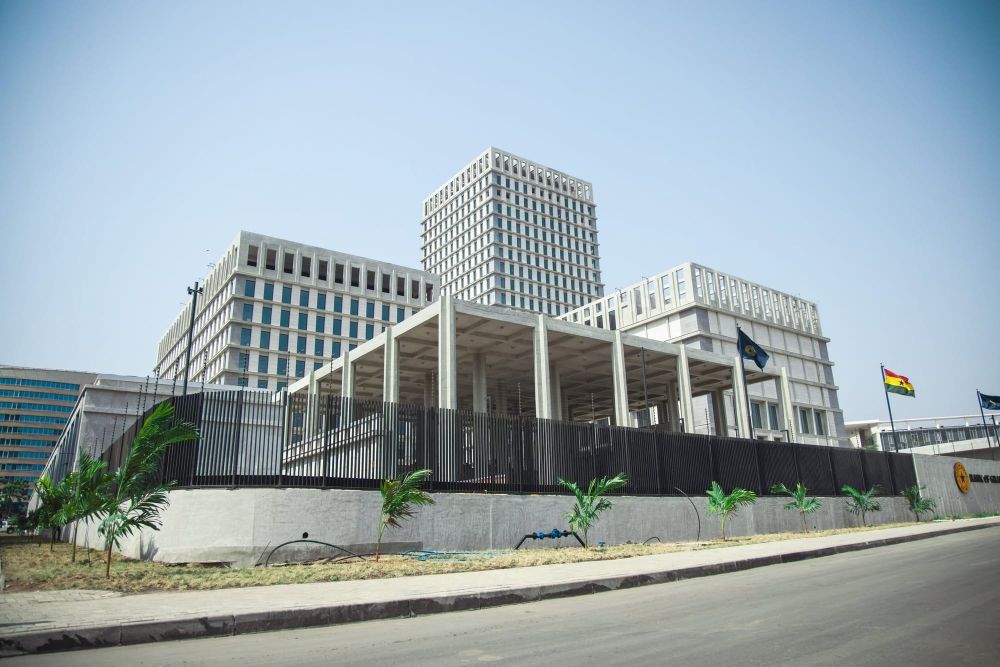
Bank of Ghana has proposed a 100% liquidity coverage ratio for licensed banks in a new exposure draft. The central bank published the consultation on 9 October and requested comments by 30 November 2026. The proposal is not yet a final directive.
The draft would apply to banks at both solo and consolidated levels. It defines the ratio as unencumbered high-quality liquid assets divided by total net cash outflows over the next 30 calendar days. Banks would have to maintain the measure at or above 100%.
DRAFT SETS A THIRTY-DAY LIQUIDITY TEST
The proposed stress scenario combines institution-specific and market-wide pressure, including deposit withdrawals, reduced wholesale funding and additional collateral needs. It is designed to ensure that a bank can meet outflows for 30 days while corrective action is taken. Institutions with significant foreign-currency liabilities would also report the ratio by significant currency.
Eligible assets must be unencumbered and readily convertible into cash with little or no loss of value. Banks would manage them as an identified liquidity buffer and retain the operational ability to monetise them. The draft also requires internal stress tests that reflect each institution's business model.
BANKS WOULD ENTER A YEAR-LONG PILOT
The exposure draft states that banks would pilot its provisions for one year after publication and submit quarterly reports during that period. It sets 1 September 2027 as the effective date and requires banks to align policies, processes and systems by 31 August 2027. Monthly reporting would follow the pilot.
Bank of Ghana said it would consider material consultation responses and explain whether they were incorporated into the final directive. The comment deadline is therefore the next formal milestone. Final requirements could change before implementation, so banks' obligations remain proposed until the regulator completes the process.